

What Should I Do If My Toilet Pipes Freeze?
Frozen toilet pipes can become a serious plumbing problem during extremely cold weather. Water expands when it freezes, creating pressure inside the pipe that can eventually cause cracks or bursts. Acting carefully when you notice frozen plumbing can help limit damage and make the situation easier to manage.

If you are wondering, “What should I do if my toilet pipes freeze?”, the first step is to avoid flushing the toilet or forcing water through the frozen section. Locate the water shutoff valve and turn off the supply if you suspect a pipe has frozen. This can help reduce the amount of water released if the pipe has already cracked.
Check for Signs of Frozen Pipes
A toilet may provide several clues that a pipe or supply line has frozen. You might notice that the toilet does not refill after flushing, the water flow is unusually weak, or there is no water entering the tank. In some cases, you may also notice frost or condensation around exposed plumbing.
Do not immediately assume that every slow or blocked toilet is caused by freezing. A clog, valve problem, or another plumbing issue can produce similar symptoms. If you cannot identify the problem safely, contacting a qualified plumber is a sensible option.
Thaw the Pipe Gradually
If you have identified a frozen section and there are no obvious signs of a burst pipe, thaw it slowly using a safe source of gentle heat. A hair dryer, warm towels, or a portable heater placed at a safe distance can help raise the temperature gradually.
Start near the faucet or open end of the affected line and work toward the frozen area. Keeping a faucet or appropriate valve open, when safe, can give melting water somewhere to move and may help relieve pressure.
Never use an open flame, torch, or other direct high-heat method to thaw plumbing. Excessive heat can damage pipes, surrounding materials, or create a fire hazard.
Watch for Leaks as the Ice Melts
One of the biggest concerns with frozen plumbing is a hidden crack. A pipe can freeze, develop damage under pressure, and only begin leaking once the ice starts to melt.
As the pipe thaws, inspect accessible areas carefully for dripping water, damp walls, puddles, or unusual moisture. If you discover a leak, keep the water supply turned off and arrange for professional plumbing service.
Do not immediately restore full water pressure simply because the toilet begins working again. Check the surrounding plumbing first and gradually restore the supply when it is safe to do so.
How Can Frozen Pipes Be Prevented?
Preventing frozen toilet pipes is usually easier than dealing with a burst line. During periods of severe cold, keep indoor temperatures above freezing and insulate exposed water lines where appropriate. In vulnerable areas, such as crawl spaces or exterior walls, additional insulation may help reduce the chance of freezing.
If a property will be vacant during winter, consider winterizing the plumbing system according to local recommendations. This is especially important for seasonal cabins, vacation homes, and other properties that may not be heated continuously.
Waterless toilet systems can also reduce some of the plumbing concerns associated with conventional toilets. However, they may still have electrical, ventilation, or other installation requirements that need attention.
What About Incinolet?
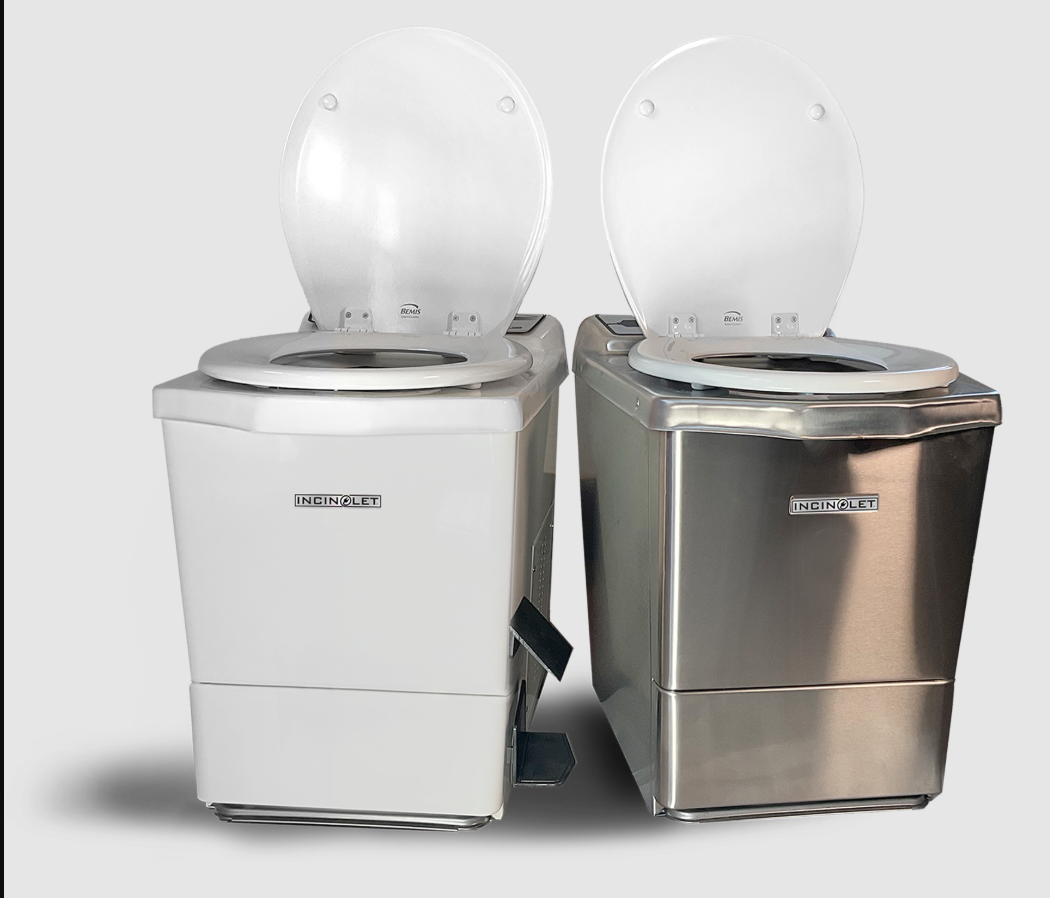
Incinolet is an electric, waterless incinerating toilet, so it does not depend on a conventional water-based flushing system for toilet waste. This can be useful in cabins, remote properties, and other locations where freezing water lines are a concern.
However, choosing a waterless toilet does not eliminate every winter maintenance issue. The unit still needs appropriate electricity, ventilation, installation, and routine care. Homeowners should follow the manufacturer's instructions and local requirements.
Final Thoughts
So, what should I do if my toilet pipes freeze? Turn off the water supply if necessary, avoid flushing, identify the frozen section, and thaw it gradually with a safe heat source. Avoid open flames and watch carefully for leaks as the ice melts. If a pipe appears damaged or you are unsure how to proceed, professional plumbing assistance can help prevent a small freezing problem from becoming a major repair.












Comments (0)