

What Should You Know Before Considering Plastic Surgery?
Considering plastic surgery? Learn how to evaluate your goals, choose a qualified surgeon, understand risks, prepare for recovery, and plan wisely.

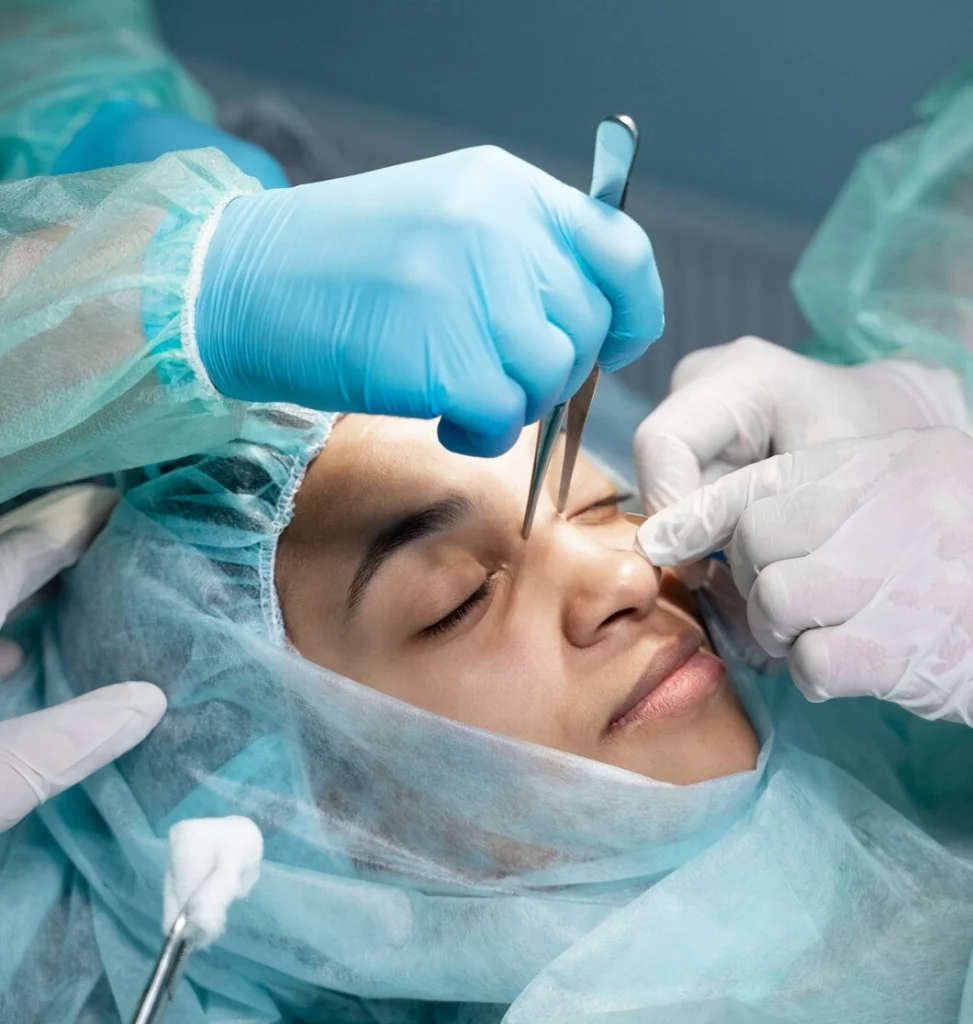
Choosing to change something about your appearance is a personal decision that deserves careful thought. Before scheduling a consultation, it helps to understand what a procedure can realistically accomplish, what recovery may involve, and how to evaluate your options. For people researching Plastic Surgery in South Jordan, UT, preparation can make the process more informed and less stressful. The right questions, expectations, and professional guidance can help you approach treatment with greater confidence.
Start With Your Reasons for Considering Surgery
Plastic surgery can address many aesthetic concerns, but the decision should begin with your own goals. Think about what you would like to change and why that change matters to you.
For example, someone may want to improve facial balance, address changes that come with aging, or alter a body feature that has consistently bothered them. These are different motivations and may lead to different treatment options.
Focus on Personal Goals
Your reasons should be personal rather than based entirely on outside pressure. Trends, social media images, comments from other people, or a desire to resemble a celebrity can create expectations that may not match your individual features.
Instead, consider what would make you feel more comfortable with your own appearance. A good consultation should focus on your goals while also explaining what is realistically achievable.
Understand That Surgery Is Not a Quick Fix
Surgery requires planning, recovery time, and patience. Even when a procedure goes smoothly, the final appearance may take time to develop as swelling decreases and tissues heal.
Therefore, consider whether you are prepared for the physical and emotional aspects of recovery rather than focusing only on the expected result.
Learn About the Procedure Before Making a Decision
One of the most useful steps is to understand the procedure you are considering. Research should go beyond looking at before-and-after photographs.
Learn what the procedure involves, how it is performed, what type of anesthesia may be used, and how long recovery commonly takes. You should also understand that individual results can vary.
Ask What the Procedure Can and Cannot Do
Every procedure has limitations. A surgeon should be able to explain what improvement may be possible without promising a specific outcome.
Ask questions such as:
- What concerns can this procedure address?
- What results are realistically achievable?
- Are there nonsurgical alternatives?
- How long might the results last?
- What factors could affect my outcome?
- What happens if I am dissatisfied with the result?
Clear answers can help you decide whether a particular procedure matches your expectations.
Choose a Qualified and Experienced Surgeon
Your surgeon is one of the most important factors to consider. Look for an appropriately trained, board-certified plastic surgeon whose experience matches the procedure you are considering.
Board certification can provide useful information about a physician's training and professional qualifications, although it should not be the only factor in your decision.
Review Training and Experience
Ask about the surgeon's experience performing your specific procedure. A surgeon who regularly performs a particular operation may be familiar with its technical considerations, possible complications, and recovery process.
You can also ask whether the procedure will be performed in an accredited surgical facility and who will provide anesthesia.
Look Beyond Marketing Materials
A polished website or impressive social media presence does not tell you everything you need to know. During your consultation, pay attention to how thoroughly the surgeon discusses benefits, limitations, risks, alternatives, and recovery.
A professional consultation should give you opportunities to ask questions rather than pressure you into making a quick decision.
Discuss Your Medical History Honestly
Your health history can influence whether a procedure is appropriate and how your body may respond to surgery. Give your surgeon complete and accurate information during the consultation.
Mention previous surgeries, allergies, medications, supplements, and relevant medical conditions. Also discuss smoking or nicotine use because it can affect healing.
Never assume that a medication or supplement is insignificant. Your surgical team needs accurate information to make appropriate safety decisions.
Understand the Possible Risks
Plastic surgery, like any surgical procedure, carries potential risks. The specific risks depend on the procedure, your health, the anesthesia used, and other individual factors.
Possible complications can include infection, bleeding, scarring, changes in sensation, delayed healing, anesthesia-related problems, and dissatisfaction with the aesthetic result.
This does not mean complications will occur. However, understanding them allows you to make a more informed decision.
Ask About Procedure-Specific Risks
Do not settle for a general explanation of surgical risks. Ask which complications are particularly relevant to the procedure you are considering.
Your surgeon should explain:
- Common temporary effects
- Less common complications
- Warning signs that require medical attention
- How complications are treated
- When to contact the surgical team
- Whether additional treatment might ever be necessary
Knowing these details before surgery can make it easier to recognize concerns during recovery.
Set Realistic Expectations
Expectations play a major role in satisfaction. A successful procedure does not necessarily mean achieving a completely different appearance.
The goal may instead be refinement, balance, proportion, or improvement of a particular concern.
Be Careful With Before-and-After Photos
Before-and-after photographs can help you understand a surgeon's work, but they should not be treated as a guarantee of your own result.
Differences in age, anatomy, skin quality, genetics, healing, procedure technique, and photography can all affect how results appear.
Use photographs as conversation starters. Ask your surgeon what aspects of the examples are relevant to your own situation.
Consider Recovery Before Scheduling Surgery
Recovery can affect work, family responsibilities, exercise, travel, and everyday activities. Before choosing a procedure date, understand how much downtime you may need.
Your surgeon can provide procedure-specific instructions, but recovery varies from person to person.
Plan for the First Few Days
Depending on the procedure, you may need someone to drive you home or stay with you during the initial recovery period. You may also need help with meals, children, pets, household tasks, or transportation.
Planning these details ahead of time can make recovery more comfortable.
Understand That Healing Takes Time
Swelling, bruising, tightness, temporary numbness, and other changes may occur after surgery. Some effects can improve relatively quickly, while others may take considerably longer.
Follow your surgeon's postoperative instructions carefully. Avoid returning to strenuous activities before receiving appropriate clearance.
Compare Costs Carefully
Cost is an important practical consideration, but the lowest quoted price should not automatically determine your decision.
The total cost may include the surgeon's fee, facility fees, anesthesia, medications, postoperative appointments, garments or supplies, and other expenses.
| Cost Consideration | What to Ask |
|---|---|
| Surgeon fee | What services are included? |
| Facility fee | Where will the procedure take place? |
| Anesthesia | Is anesthesia included in the estimate? |
| Follow-up care | Are routine postoperative visits included? |
| Medications | Should prescription costs be budgeted separately? |
| Additional treatment | What happens financially if complications require treatment? |
| Time away from work | How much recovery time should you plan for? |
Ask for a clear written estimate whenever possible. Understanding the complete financial picture can prevent unexpected expenses later.
Ask About Nonsurgical Alternatives
Not every aesthetic concern requires surgery. Depending on your goals, a provider may discuss nonsurgical treatments or recommend waiting.
For example, certain concerns may be addressed through injectable treatments, skin treatments, energy-based procedures, lifestyle changes, or simply choosing to monitor the issue over time.
However, alternatives are not automatically better or safer for every person. The appropriate option depends on your anatomy, goals, medical history, and desired degree of change.
Prepare for Your Consultation
A consultation is more productive when you arrive prepared. Write down your main concerns and bring a list of questions.
You may want to ask:
- Am I a reasonable candidate for this procedure?
- What alternatives should I consider?
- What results are realistic for me?
- What are the major risks?
- What will recovery look like?
- When can I return to work and exercise?
- What follow-up care will I need?
- What should I do before surgery?
- What should I avoid during recovery?
- What costs are included in the estimate?
Taking notes during the appointment can also help you compare information later.
Give Yourself Time to Decide
There is rarely a good reason to rush into elective surgery. If you feel pressured to schedule immediately, consider taking additional time to think.
You can seek a second consultation when appropriate, especially if you have questions about the proposed procedure or want another professional perspective.
Watch for Pressure During the Process
Be cautious if you encounter promises of guaranteed results, pressure to purchase additional treatments, or vague answers about risks and recovery.
A responsible approach should leave room for informed questions and thoughtful decision-making.
Know What a Good Surgical Plan Looks Like
A personalized plan should account for more than the feature you want to change. Your surgeon should consider your overall anatomy, health history, expectations, lifestyle, and recovery needs.
The consultation should also establish what happens before and after the procedure. This may include preoperative testing, medication instructions, postoperative appointments, and emergency contact information.
Communication Matters
Good communication should continue after the consultation. You should know who to contact if you have questions or develop unexpected symptoms during recovery.
Before surgery, make sure you understand the postoperative instructions and have a reliable way to reach your surgical team.
Make Safety Part of the Decision
Aesthetic goals matter, but safety should remain central throughout the process. Choosing a qualified surgeon, appropriate facility, realistic treatment plan, and adequate recovery time can help you approach surgery responsibly.
You should also be prepared to follow instructions before and after the procedure. Your participation in the recovery process can be just as important as preparation beforehand.
Conclusion
Considering plastic surgery involves much more than choosing a procedure based on appearance alone. You should understand your goals, research your options, evaluate the surgeon's qualifications, discuss potential risks, prepare financially, and make realistic plans for recovery. Most importantly, give yourself enough time to make a thoughtful decision without pressure. A well-informed consultation can help you understand whether a particular procedure fits your needs and expectations. By asking detailed questions and approaching the process with realistic expectations, you can make your aesthetic journey more organized, informed, and focused on your individual goals.













Comments (0)