

Why Is My Ear Ringing Every Night When I Snore?
The room is quiet, so there’s nothing to mask the sound, and stress and tiredness make the brain focus on it more. Sleep apnea can make this worse by breaking up your sleep.

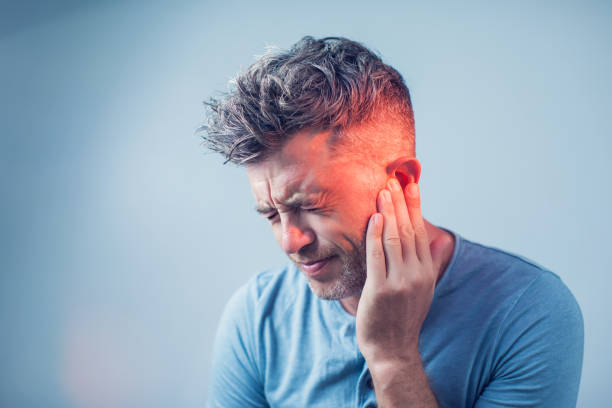
Lie down, turn off the lights, and there it is. That hiss, or buzz, or high thin whistle that nobody else can hear. If you’ve got tinnitus, you know the feeling, and you probably also know how badly it can wreck a night. What most people don’t realize is that a lot of folks with ear ringing also have a breathing problem during sleep. Sleep apnea, to be specific. They don’t talk about it because they don’t know. Their partner says they snore, they wake up with a dry mouth and a headache, they drag through the afternoon, and they never once think to mention any of that to the person looking in their ears. I see it constantly. The two conditions overlap more than you’d guess, and untangling them can change how you treat both. So let’s go through it, plain and simple, without the medical fog.
What ringing in the ears actually is
First thing, tinnitus isn’t a disease. It’s a symptom. A sound your brain makes up, or maybe more accurately, a sound your brain keeps producing because something in the hearing system has gone quiet or glitchy. Most people describe ringing. Others hear buzzing, humming, clicking, roaring, even a kind of cricket chirp. Some hear it in one ear, some in both, some right in the middle of the head. Causes are all over the map. Loud noise exposure is a big one. Age-related hearing loss is another. Earwax buildup, ear infections, certain medications, jaw problems, head and neck injuries, high blood pressure, stress, all of these can do it. And plenty of times nobody finds a single clear cause, which is frustrating, I’m aware. Roughly one in ten adults deals with it at some level. For many it’s a background annoyance. For others, it’s loud enough to wreck concentration, mood and sleep. Same sound, completely different life impact.
What happens in your body when you stop breathing at night
Now the other half. Obstructive sleep apnea means the airway in your throat repeatedly narrows or collapses while you sleep. Air stops, or nearly stops. Your oxygen dips. Your brain panics a little and jolts you partly awake so you’ll gasp or snort and start breathing again. You won’t remember most of these. A person can do this dozens of times an hour and honestly believe they slept fine. Common signs are loud snoring, choking or gasping sounds, morning headaches, a dry or sore throat, brain fog, irritability and falling asleep at red lights. Not funny, by the way. Extra weight, a thick neck, a small jaw, enlarged tonsils, nasal blockage and age all raise the odds, though skinny people get it too. Over time, untreated apnea is linked to high blood pressure, heart rhythm trouble, stroke, diabetes and mood problems. This isn’t just a snoring issue. It’s a whole body stress test that runs every single night.
Why the two conditions keep showing up together
Researchers have noticed for years that people with sleep apnea report ringing in the ears more often than people without it. Does one cause the other? Honestly, nobody can say that cleanly. What we can say is that the overlap is real and that there are some pretty reasonable explanations. Repeated drops in oxygen may stress the delicate inner ear, which is very sensitive to blood flow and oxygen. Apnea also drives up inflammation and blood pressure, and both of those can mess with the tiny blood vessels that feed the hearing organ. Then there’s sleep deprivation itself. A brain that never gets deep, restful sleep is more reactive, more tuned in to every little signal, including phantom sounds. And finally the reverse can happen. Loud ringing wrecks your sleep, poor sleep makes the ringing feel worse, and you’re stuck in a loop that doesn’t break on its own. Some people have both for entirely unrelated reasons. That’s possible too. The point is, don’t assume one explains the other without getting checked.
Why does everything sound louder when you lie down?
Here’s something almost everyone with ringing notices. Daytime is okay. Night is awful. There’s an easy reason for it. During the day you’ve got traffic, conversations, the fridge humming, a TV somewhere. Those sounds mask the internal noise. At bedtime, the room goes quiet, the masking disappears, and your brain turns up the volume on whatever signal remains. Add stress, a racing mind, a bit of worry about tomorrow, and the ringing feels twice as loud. Then you start checking on it, which makes it worse. Classic trap. Now layer sleep apnea over that. Your sleep is fragmented, you wake up repeatedly, and each awakening is another chance to notice the sound and get annoyed at it. So the person with both problems gets a double hit. They sleep badly because of the ringing, and they sleep badly because of the breathing, and the daytime fatigue makes tolerating the noise even harder. It’s not weakness. It’s a feedback loop.
Getting a real diagnosis instead of guessing
If you’ve got persistent ringing, see a doctor, and not eventually. An ear, nose and throat exam is the logical first stop. They’ll look in your ears, check for wax or infection, test your hearing with a booth test called an audiogram, and ask questions about noise exposure, medicines, jaw clicking, neck issues and sleep. Be honest about the snoring. Say it out loud even if you feel silly. If the picture suggests sleep apnea, the next step is a sleep study. Many are done at home now with a small monitor you wear overnight, while others are done in a lab for more complicated cases. Certain warning signs deserve fast attention, so don’t wait: ringing in only one ear, a pulsing sound that beats along with your heart, sudden hearing loss, dizziness, or ringing that follows a head injury. Those can point to things that need a more careful workup. Better safe than sorry on that one.
Treating the sleep side and what it might do for the ringing
If a sleep study confirms apnea, there’s a good list of ways to handle it. The standard is a CPAP machine, which blows gentle air through a mask to keep the airway open. People complain about it at first, and fair enough, it takes adjusting. But most who stick with it say they feel like a new person. Other options include a custom oral appliance that shifts the lower jaw forward, weight loss, sleeping off your back, treating nasal blockage, and in select cases surgery on the throat, tongue or even the nerve that controls airway tone. Now, will treating the apnea cure your ringing? Sometimes it settles down, sometimes it gets quieter, sometimes it doesn’t budge. I won’t oversell it. But better oxygen, better sleep, lower stress and lower blood pressure give your hearing system its best shot, and your tolerance of the sound usually improves even if the sound itself doesn’t vanish.
Living with the ringing while you sort the rest out
There’s no pill that makes ringing disappear for everyone, and be wary of anyone selling one. What works is usually a combination of small things. Gentle background sound at night, a fan, soft nature noise, low music, helps the brain stop obsessing. Hearing aids can be a big help if you’ve also lost some hearing, since amplifying outside sound reduces the contrast with the inner noise. Counseling and cognitive behavioral approaches teach your brain to file the sound under unimportant, and they have solid evidence behind them. Cut back on caffeine and alcohol if they seem to make it spike. Protect your ears from loud places. Manage stress as best you can, because tension and the ringing feed each other. And please, don’t stay in a dead silent room. Silence is the enemy here. It sounds backwards, but it’s true. Give your brain something else to listen to, and your nights will get easier.
Conclusion
Tinnitus isn’t just an ear thing, and sleep apnea isn’t just a snoring thing. They overlap, they trigger each other, and when they team up they can run your sleep, mood and energy into the ground. If you’ve got ringing and you also snore, wake up tired or have a partner who’s noticed you stop breathing at night, tell your doctor both things in the same visit. Get your hearing checked. Get a sleep study if it makes sense. Treat what can be treated, manage what can’t, and don’t suffer in silence while telling yourself it’s normal. It’s common, sure, but common doesn’t mean you have to just live with it.
FAQs
Can sleep apnea cause tinnitus?
Research shows people with sleep apnea report ringing in the ears more often than others, though it isn’t proven that apnea directly causes it. Low oxygen, inflammation and poor sleep may all play a part.
Will CPAP therapy help my tinnitus?
For some people the ringing eases once breathing and sleep improve. For others it stays about the same. Even then, better sleep usually makes the sound easier to cope with.
Why is tinnitus worse at night?
The room is quiet, so there’s nothing to mask the sound, and stress and tiredness make the brain focus on it more. Sleep apnea can make this worse by breaking up your sleep.
What are the warning signs of sleep apnea?
Loud snoring, gasping or choking at night, morning headaches, dry mouth, daytime sleepiness and trouble concentrating are the usual ones. A partner often notices pauses in breathing first.
Should I see a doctor for ringing in just one ear?
Yes. Ringing in one ear, a pulsing sound, or sudden hearing loss should be checked promptly by an ear, nose and throat specialist.
Can hearing aids help tinnitus?
They often help, especially if there’s hearing loss. Bringing in more outside sound makes the internal ringing less noticeable, and many devices also offer soothing sound options.
Is tinnitus permanent?
It depends on the cause. Some cases, like those from wax or a temporary infection, go away. Others last longer, but treatment and sound strategies can make it far more manageable.

















Comments (0)