

Transformed Landscaping Co.: Xeriscape in Austin Texas for Beautiful Water-Wise Landscapes

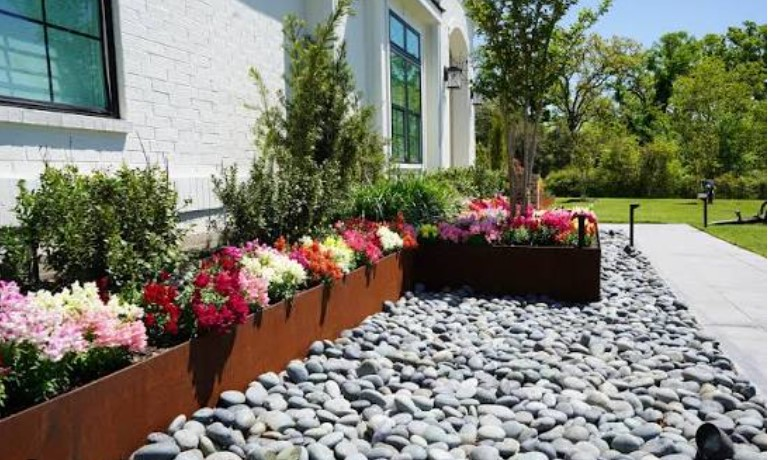
A thoughtfully planned landscape can remain attractive without relying on large areas of thirsty turf or constant watering. Homeowners who want a more practical approach to outdoor design can consider landscaping methods that work with local environmental conditions while still providing color, texture, shade, and usable outdoor areas.
Transformed Landscaping Co. understands that a successful landscape should fit the property as well as the homeowner's lifestyle. Xeriscape in Austin Texas offers a way to combine carefully selected plants, efficient water management, attractive hardscape, and functional outdoor spaces into a landscape that feels natural and purposeful.
Understanding the Principles of Xeriscaping
Xeriscaping is often misunderstood as simply replacing grass with rocks. In reality, it is a broader landscaping approach that focuses on thoughtful water use and appropriate plant selection. A well-designed xeriscape can include trees, shrubs, flowering plants, ornamental grasses, pathways, patios, mulch, and other attractive features.
The goal is to create a landscape where each element has a practical role. Plants can be grouped according to similar water requirements, while hardscape and groundcover can reduce areas that require frequent irrigation.
Xeriscape in Austin Texas can be adapted to different property sizes and personal preferences. Some homeowners may prefer a contemporary appearance, while others may want a more natural garden atmosphere.
Start With the Property's Existing Conditions
Before selecting plants and materials, it is important to understand the property. Sunlight, soil, slopes, drainage, existing trees, and available outdoor space can all influence the design.
Different areas of the same yard may have completely different conditions. A section exposed to strong sunlight may require plants that tolerate heat, while a shaded corner may support a different selection.
Planning around these conditions can make the landscape more successful. Xeriscape in Austin Texas should respond to the actual characteristics of the property rather than relying on a standard design that may not suit every yard.
Select Plants Based on Their Needs
Plant selection is one of the most important parts of a water-conscious landscape. Attractive plants are not necessarily suitable for every location, so homeowners should consider sunlight, soil, mature size, moisture requirements, and seasonal characteristics.
Native and well-adapted plants can be useful choices when they are appropriate for the specific site. A mixture of shrubs, flowering plants, grasses, and trees can create different layers of texture and color.
With Xeriscape in Austin Texas, plants can also be grouped according to their water needs. This makes it easier to provide appropriate irrigation without treating every plant in the yard the same way.
Reduce Lawn Where It Serves No Purpose
Lawns can be useful when homeowners need open space for children, pets, recreation, or other activities. However, areas that receive little foot traffic may not need to remain covered with turf.
Those sections can be redesigned using planting beds, groundcover, mulch, decorative stone, or other suitable materials. This can create additional visual interest while changing how water and maintenance are distributed across the yard.
Xeriscape in Austin Texas does not require homeowners to eliminate every section of lawn. Instead, it allows turf to remain where it provides genuine value and gives other areas a different purpose.
Create Texture With Natural Materials
A xeriscape can use a variety of materials to create visual depth. Decorative stone, gravel, mulch, natural rock, edging, and pathways can all contribute to the appearance of the property.
These materials can also help define different zones. A gravel path might connect two planting areas, while a stone border can separate a garden from an open lawn.
When planning Xeriscape in Austin Texas, natural materials should complement the plants rather than overpower them. A balanced combination of greenery and hardscape can create an attractive outdoor setting without unnecessary visual clutter.
Prepare the Soil for Healthy Plant Growth
Healthy soil provides an important foundation for any landscape. Even plants that are well adapted to local conditions may struggle if the soil is heavily compacted or otherwise unsuitable for root development.
Evaluating the soil before planting can help identify areas that need improvement. Proper preparation can support stronger roots and help plants make better use of available moisture.
For Xeriscape in Austin Texas, good soil preparation can contribute to long-term plant health. The objective is not simply to reduce watering but to create conditions where selected plants can establish themselves effectively.
Use Mulch to Protect Planting Areas
Mulch can provide both functional and visual benefits. It can help reduce moisture loss from exposed soil, moderate soil temperatures, and limit the growth of unwanted vegetation around plants.
Different mulch materials can also influence the style of the landscape. Organic mulch can create a softer, natural appearance, while decorative rock can complement a more structured or contemporary design.
Xeriscape in Austin Texas can incorporate mulch strategically around suitable plants and garden areas. Proper application is important so that mulch supports the landscape without creating problems around plant stems or tree trunks.
Design Comfortable Outdoor Living Areas
Water-conscious landscaping does not mean sacrificing comfort. Patios, seating areas, pathways, shade, and attractive planting can make a xeriscape an enjoyable place to spend time.
A patio surrounded by carefully selected vegetation can provide a comfortable setting for outdoor meals or conversations. A pathway can make it easier to explore the garden while protecting planting areas from foot traffic.
Xeriscape in Austin Texas can bring these features together so that practical water management becomes part of a complete outdoor living design rather than the sole focus of the project.
Plan Irrigation Around Actual Plant Requirements
Efficient irrigation begins with understanding what different plants need. Giving every plant the same amount of water can result in unnecessary use and may create poor growing conditions for certain varieties.
Plants with similar moisture requirements can be grouped together. Irrigation zones can then be organized around those groupings, making it easier to provide appropriate amounts of water.
A well-planned Xeriscape in Austin Texas can use irrigation as one part of a larger water-management strategy. Soil, mulch, plant selection, and drainage should all work alongside irrigation rather than depending on it alone.
Consider Drainage and Water Movement
Managing water does not only mean reducing irrigation. It also means understanding how rainwater moves across the property. Areas where water collects may require different planting or grading solutions than sections that drain quickly.
Proper drainage can help protect plants, pathways, patios, and other landscape features. It can also reduce the risk of standing water and erosion.
Xeriscape in Austin Texas can incorporate the property's natural drainage patterns into the design. Addressing water movement during planning can help create a healthier and more reliable outdoor environment.
Design for Long-Term Maintenance
A xeriscape can reduce certain maintenance requirements, but it is not completely maintenance-free. Plants still need attention as they establish and mature, and irrigation systems, pathways, and planting areas should be checked periodically.
Homeowners should consider how much time they want to spend maintaining their landscape before selecting plants and features. Choosing suitable vegetation and allowing enough room for mature growth can make routine care more manageable.
Xeriscape in Austin Texas can be designed around different maintenance preferences. A homeowner who enjoys gardening may want more planting variety, while someone seeking a simpler routine may prefer a more streamlined landscape.
Plan for the Landscape to Mature
Plants do not remain the same size as the day they are installed. Trees, shrubs, and other vegetation need adequate room to reach their mature dimensions without overcrowding nearby features.
Proper spacing can help preserve pathways, views, and access to structures. It can also reduce the need for excessive pruning later.
When Xeriscape in Austin Texas is planned with maturity in mind, the landscape can develop naturally over time. The original design can become even more attractive as plants establish themselves and fill their intended spaces.
Conclusion
A successful xeriscape combines water-conscious planning with thoughtful design. Suitable plants, healthy soil, efficient irrigation, strategic mulch, practical hardscape, drainage considerations, and comfortable outdoor areas can all contribute to a landscape that is both attractive and manageable.
Xeriscape in Austin Texas can give homeowners an opportunity to create outdoor spaces that respond to local conditions without sacrificing personality or everyday usability. The approach is flexible enough to support different architectural styles, property sizes, and maintenance preferences.
Transformed Landscaping Co. can help homeowners develop outdoor spaces that balance natural beauty with practical landscaping decisions. With careful planning and purposeful installation, a water-conscious yard can become a welcoming and lasting part of the property.














Comments (0)