

What Are the Early Signs of Spine Curvature Problems?

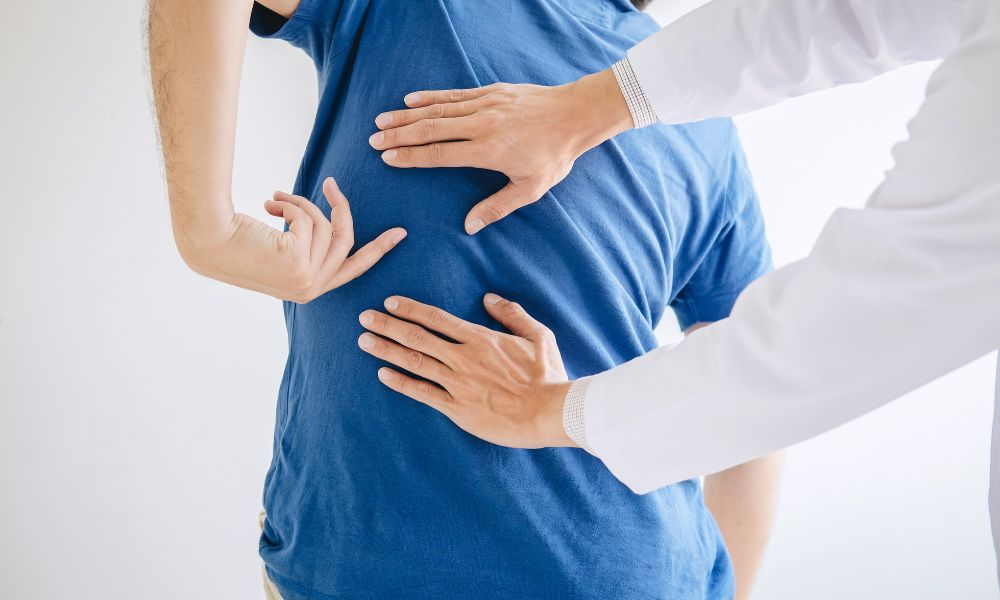
The spine plays an important role in keeping the body upright, supporting movement, and helping maintain balance. It has natural curves that allow a person to stand, walk, bend, and move comfortably. However, when the spine develops an unusual curve, it can affect posture and the way the body moves. In some cases, these changes may be small and difficult to notice at first.
Spine curvature problems can develop at different ages and may have different causes. Some people may notice changes during childhood or teenage years, while others may develop problems later in life. Early signs are not always painful, which is why small changes in posture or body alignment can sometimes be overlooked. Knowing what to look for can help a person recognize changes and seek proper evaluation when needed.
What Is Spine Curvature?
Spine curvature means that the spine has a curve that is different from its normal shape. The spine naturally has gentle curves when viewed from the side. These curves help support the body and absorb stress during movement.
When viewed from the back, the spine is normally fairly straight. A noticeable curve from side to side may be linked to conditions such as scoliosis. Other spine problems can involve changes in the normal curves of the upper or lower back.
Not every change in the spine means there is a serious problem. Some curves are mild and may not cause any symptoms, while others can become more noticeable over time.
Uneven Shoulders
Uneven shoulders can be one of the first visible signs of a spine curvature problem. One shoulder may sit higher than the other when a person stands naturally.
The difference may be very small in the beginning. It may become easier to notice when looking at the person from behind or when they wear fitted clothing.
Uneven shoulders can also happen because of posture, muscle differences, or other reasons. However, if the difference continues to be noticeable, it may be worth having it checked.
Uneven Hips
Changes in hip position can also occur when the spine is not properly aligned. One hip may appear higher than the other, or the waist may look different on each side.
Parents may notice this change in children while they are standing, walking, or changing clothes. Adults may notice that pants or other clothing do not sit evenly around the hips.
Uneven hips do not always mean there is a spine problem. Still, when this change appears along with other signs, a professional evaluation can help find the cause.
One Side of the Ribs Looks More Prominent
A change in the position of the ribs may sometimes be noticed when a person bends forward. One side of the rib cage may appear higher or stick out more than the other.
This can happen because changes in the spine may also affect the position of the ribs and nearby muscles.
A difference in the rib area should not be used by itself to diagnose a spine condition. It is better to have noticeable changes checked by a qualified healthcare professional.
Changes in Posture
Posture changes can be another early sign. A person may start standing or sitting differently without realizing it.
The head, shoulders, hips, or upper body may appear slightly out of line. In some cases, the person may lean more toward one side when standing.
Some noticeable posture changes include:
-
Leaning to one side while standing.
-
One shoulder sitting higher than the other.
-
The head appearing off-center.
-
The body shifting more toward one side.
-
A noticeable change in the usual standing position.
Poor posture can have many causes, so it does not automatically mean that a person has spine curvature. However, lasting changes should not be ignored.
Clothes May Fit Differently
Clothing can sometimes make body alignment changes easier to notice. A shirt may hang lower on one side, or a waistband may not sit evenly around the hips.
These changes may be more noticeable in children as they grow. Parents may notice that clothes suddenly look uneven even though the child has not complained about pain.
Clothing changes alone cannot identify a spine condition, but they may be a reason to pay closer attention to posture.
Back or Neck Discomfort
Some people with spine curvature may experience back or neck discomfort. The discomfort may be mild at first and may appear after standing, sitting, or physical activity for a long time.
However, back and neck pain can have many causes. Muscle strain, poor posture, injuries, and daily activities can all lead to discomfort.
For this reason, pain alone does not confirm a spine curvature problem. Persistent pain combined with visible posture changes should be evaluated.
Feeling Unbalanced
A person may feel that they naturally put more weight on one leg or one side of the body. They may also feel more comfortable standing in a position that is slightly shifted to one side.
This can happen when changes in spinal alignment affect the way the body distributes weight.
The change may be so small that a person does not notice it right away. Paying attention to repeated changes in balance and standing position can be helpful.
Changes in Walking or Movement
Spine curvature can sometimes affect the way a person walks or moves. A person may appear to lean slightly to one side or move differently on one side of the body.
Children may not notice these changes themselves. Parents, teachers, coaches, or other family members may notice them during walking, running, or sports.
Movement changes can also have other causes, so they need to be considered along with other symptoms.
When Should You Get a Spine Checked?
Not every posture change needs immediate attention. However, it is a good idea to seek professional advice when a change remains present or becomes more noticeable over time.
You may consider an evaluation if you notice:
-
A lasting difference in shoulder height.
-
One hip sitting higher than the other.
-
A visible curve in the back.
-
One side of the ribs appearing more prominent.
-
Ongoing back or neck discomfort.
-
Changes in walking or balance.
Early evaluation can help determine whether the change is related to spinal alignment or another issue.
How Are Spine Curvature Problems Evaluated?
A healthcare professional will usually begin with a physical examination. They may look at the person's posture from different angles and check the position of the shoulders, hips, and spine.
They may also ask when the changes started and whether there is any pain, stiffness, or difficulty with movement.
If more information is needed, imaging such as an X-ray may be recommended. This can help show the shape and position of the spine and give a clearer view of the curve.
The type of evaluation depends on the person's age, symptoms, physical findings, and overall situation.
Why Is Early Attention Important?
Early attention can help identify changes before they become more noticeable. This can be especially useful for children and teenagers because their bodies are still growing.
Adults can also benefit from having new posture or alignment changes checked. A change may be connected to the spine, muscles, joints, an old injury, or another cause.
Treatment is not always needed for every spinal curve. The right approach depends on the type of curve, its size, symptoms, age, and whether it is changing over time.
Final Thoughts
Spine curvature problems may begin with small changes that are easy to overlook. Uneven shoulders, uneven hips, changes in posture, a more noticeable rib area, clothing that hangs differently, and changes in movement can all be signs that deserve attention.
If you notice ongoing changes in your posture or alignment, getting a professional evaluation can help you understand what may be causing them. For people looking for chiropractic care and guidance, San Francisco Chiropractor can be a useful option to consider.
The earlier a noticeable change is checked, the easier it can be to understand whether it is related to the spine or another part of the body. Paying attention to these early signs can help you take the right next step for better movement, comfort, and overall spinal health.









Comments (0)