

AI-Assisted Web Development: How Websites Are Changing in 2026
AI is transforming web development in 2026, helping developers build faster and smarter digital experiences. From AI-assisted development and website performance to accessibility, security, and scalable technology, businesses need modern websites designed for both users and long-term growth. Discover how professional web development services can help businesses stay competitive in the evolving digital landscape.
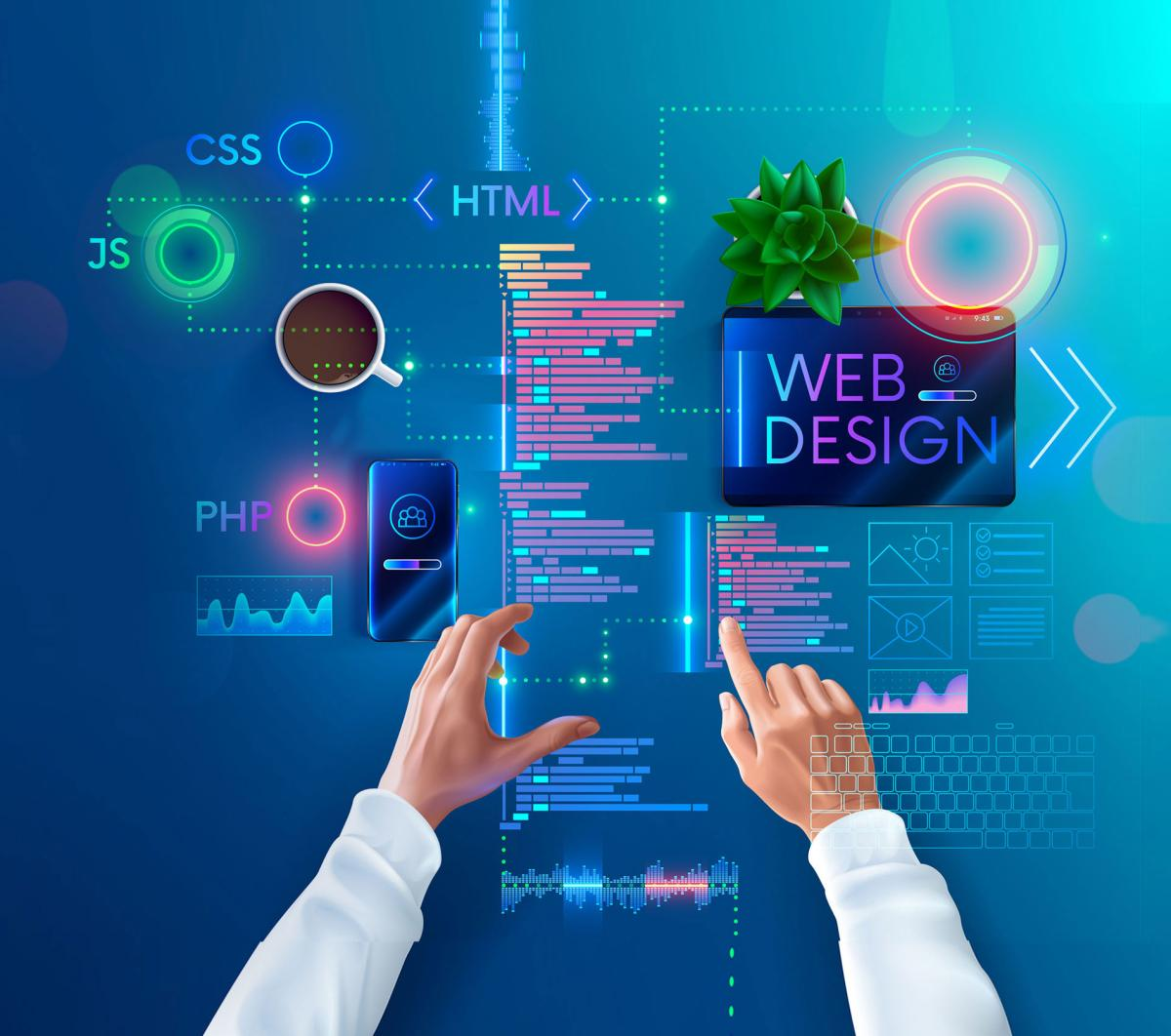
Web development is evolving faster than ever. In 2026, businesses are no longer looking for websites that simply look attractive. They want websites that are fast, secure, accessible, mobile-friendly, scalable, and capable of delivering better experiences to their customers.
One of the biggest developments shaping the industry is the growing use of artificial intelligence in web development. AI tools are helping developers write and review code, identify potential issues, automate repetitive tasks, and speed up development workflows.
At the same time, modern websites are placing greater emphasis on performance, accessibility, security, and user experience. These changes are creating new opportunities for businesses that want to build a stronger digital presence.
AI Is Changing the Development Process
Artificial intelligence has become an increasingly useful tool for web developers. Instead of replacing developers, AI can assist them with repetitive and time-consuming tasks.
Developers can use AI tools to generate code suggestions, identify bugs, create documentation, write tests, and explore different solutions. This can help development teams move from an idea to a working feature more efficiently.
However, AI-generated code still needs human review. Code that appears correct may contain security vulnerabilities, inefficient processes, accessibility problems, or errors related to specific business requirements.
This means experienced developers continue to play an important role. They can evaluate AI-generated solutions, test them, make technical decisions, and ensure that the final product meets the project's goals.
For businesses, the advantage is not simply having AI create a website. The real benefit comes from combining AI-assisted productivity with professional technical knowledge.
Website Performance Matters More Than Ever
Users expect websites to load quickly and respond smoothly. When a website is slow, confusing, or difficult to use, visitors may leave before completing an important action.
Modern web development therefore focuses heavily on performance.
Developers can improve performance by optimizing images, reducing unnecessary code, managing third-party scripts, using effective caching, selecting suitable hosting, and choosing appropriate rendering strategies.
Performance should not be treated as something that is fixed after a website has been launched. It should be considered during the planning and development stages.
A fast website can provide a better experience for visitors while also creating a stronger technical foundation for future growth.
Accessibility Is Becoming a Standard
Web accessibility is another important part of modern development.
A well-developed website should be usable by people with different abilities and different ways of navigating the web. This includes visitors who use screen readers, keyboard navigation, or other assistive technologies.
Simple practices can make a significant difference. Clear navigation, readable typography, sufficient color contrast, descriptive labels, accessible forms, and logical page structures can make websites easier to use.
Accessibility also benefits users who may not consider themselves to have a disability. For example, clear layouts and easy-to-understand forms can improve the experience for everyone.
Businesses building new websites should consider accessibility from the beginning instead of treating it as a final checklist.
Security Should Be Built Into the Website
Website security is no longer optional.
Modern websites often connect with payment platforms, customer databases, analytics tools, APIs, email systems, and other third-party services. Each integration introduces considerations that developers need to address.
Secure development practices can include keeping software and dependencies updated, protecting sensitive information, implementing appropriate authentication, validating user input, and regularly testing the website.
AI-assisted development also makes code review especially important. Businesses should not assume that code generated by an AI tool is automatically secure.
A professional development process combines innovation with testing, security reviews, and responsible deployment.
Websites Are Becoming More Intelligent
Artificial intelligence is also changing what websites can actually do.
Businesses can now integrate AI-powered chat assistants, recommendation systems, intelligent search, personalization, automation, and other interactive features into their websites.
For example, an online store might use recommendations to help customers discover relevant products. A service business could use an AI assistant to answer common questions or help visitors find the right service.
But adding AI simply because it is popular does not necessarily improve a website.
The technology should have a clear purpose. Businesses should first identify a customer problem or business objective and then determine whether AI is the right solution.
The Importance of Professional Web Development Services
With so many technologies and platforms available, choosing the right approach can be difficult for businesses.
This is where professional web development services can make a meaningful difference.
An experienced development team can help a business choose suitable technologies, plan the website architecture, create responsive functionality, improve performance, implement security measures, and integrate the tools required to support business operations.
Professional development is also about planning for the future.
A business website may start with a few simple pages but eventually need additional landing pages, customer portals, payment functionality, e-commerce features, APIs, marketing integrations, or automation.
A scalable development approach makes it easier to introduce these features without rebuilding the entire website.
What Businesses Should Look For in a Web Development Partner
Choosing a development partner should involve more than looking at screenshots of previous websites.
Businesses should consider whether the development process addresses important areas such as:
-
Mobile responsiveness
-
Website performance
-
Accessibility
-
Security
-
Search-friendly architecture
-
Scalability
-
Third-party integrations
-
Quality testing
-
Maintenance and updates
-
Clear communication
The right priorities will depend on the company's industry, audience, budget, and long-term goals.
A small business website may have very different requirements from an e-commerce store or a large enterprise platform. Good development begins by understanding those requirements before selecting the technology.
The Future of Web Development
The future of web development is not simply about adding more technology.
It is about using technology more intelligently.
AI can help developers work more efficiently. Modern development approaches can improve website performance. Accessibility practices can create more inclusive experiences, while stronger security processes can help protect businesses and their customers.
At the same time, the fundamentals remain important.
Businesses still need clear goals, useful content, intuitive navigation, strong user experiences, reliable technology, and maintainable code.
In 2026, a website should be viewed as more than an online brochure. It can become an important part of a company's marketing strategy, customer journey, sales process, and digital infrastructure.
For businesses planning a new website or improving an existing one, investing in the right development strategy can create a foundation that supports both current needs and future growth.
The goal is not simply to build a website.
The goal is to build a digital experience that works for the business and its customers.
Frequently Asked Questions

Pixel Perfekt Solutions is a full-service digital agency helping businesses turn ideas into digital experiences. From web design and development to branding, mobile apps, SEO, content, and social media marketing, we create tailored solutions designed to strengthen your online presence and support business growth.











Comments (0)