

What Does a Day on the Ali Bedni Bugyal Trek Really Look Like?
The Ali Bedni Bugyal Trek offers an unforgettable Himalayan experience filled with forests, alpine meadows, mountain views, and peaceful campsites. This guide explains what a typical trekking day looks like, from early morning starts and trail walks to campsite evenings, while highlighting what makes Himalayan Treks so special.
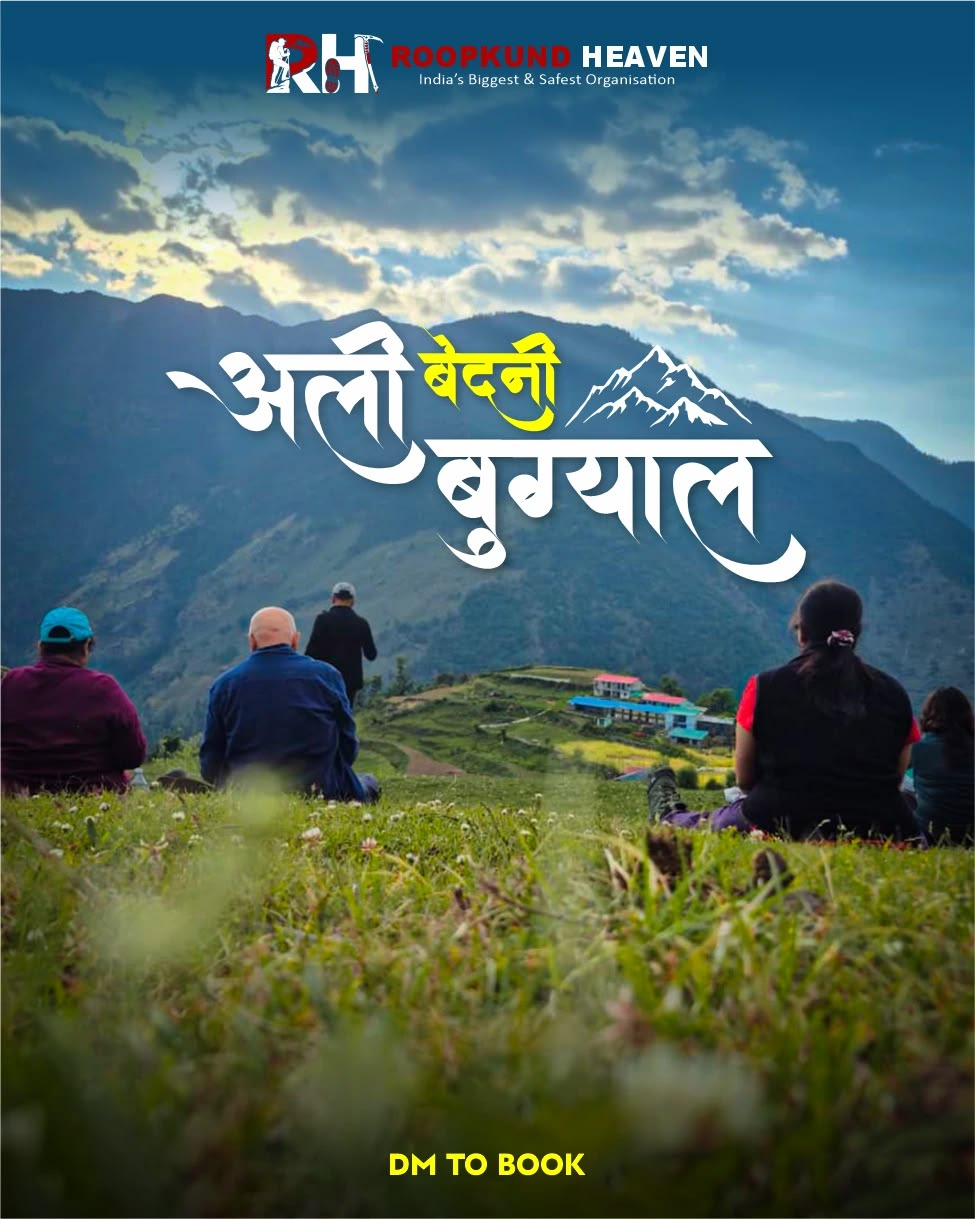
When people see photographs of the beautiful meadows of Ali and Bedni Bugyal, it is easy to imagine the entire trek as a peaceful walk through green grass surrounded by Himalayan peaks. But what does a real day on the trail actually look like?
The Ali Bedni Bugyal Trek is a journey of changing landscapes. A typical day can include an early morning start, steep forest climbs, open meadow walks, mountain views, rest breaks, campsite life, and cold evenings under the Himalayan sky.
Like many Himalayan Treks, the experience is not only about reaching the destination. The journey between campsites is what makes the adventure memorable.
Starting the Day in the Himalayas
A trekking day usually begins early.
At high altitude, mornings can be cold, so trekkers generally start their day by getting ready in warm layers, having breakfast, filling their water bottles, and preparing their daypack.
The atmosphere at a mountain campsite is very different from a normal morning at home. There are no busy roads or city sounds. Instead, you may wake up to cold mountain air, birdsong, sunlight slowly reaching the surrounding ridges, and views of peaks appearing as the clouds clear.
Before leaving, it is important to check your footwear, rain protection, water, snacks, and essential items.
Day 1: Reaching the Mountain Base
The first day of the Ali Bedni Bugyal Trek is generally more about reaching the mountain base than trekking.
Depending on the itinerary and operator, trekkers travel toward Lohajung, the traditional gateway for the trek. Current itineraries from Rishikesh describe a long mountain drive of around 10–11 hours.
The journey itself becomes part of the experience as the road passes through the Garhwal Himalayas.
As you travel deeper into the mountains:
- Valleys become narrower.
- Roads become more winding.
- Forests become denser.
- Mountain villages appear along the route.
- Himalayan peaks gradually become more prominent.
After reaching Lohajung, trekkers usually settle into their accommodation, have dinner, prepare their backpacks, and rest for the trekking days ahead.
Day 2: The First Real Walk
The next morning is when the actual trekking experience begins.
Depending on the itinerary, the trail may begin from Wan or another nearby point before continuing toward the campsite. One current itinerary covers approximately 6.3 km in around six hours, with a significant altitude gain.
The trail passes through Himalayan forests, where oak and rhododendron trees create a cool and shaded environment.
This is where trekkers start understanding what makes Himalayan Treks different from ordinary mountain walks.
The trail is not always flat. There are uphill sections that require a steady pace.
What Does the Trail Feel Like?
The first trekking day can feel challenging because your body is adjusting to:
- Uneven terrain
- Uphill walking
- Carrying a backpack
- Higher altitude
- Several hours of continuous movement
The best strategy is to walk slowly and consistently.
There is no prize for reaching camp first.
A Typical Trekking Break
Breaks are an important part of a mountain day.
After walking for some time, trekkers usually stop at suitable locations to drink water, eat a snack, adjust their backpack, and catch their breath.
A short break can also be a chance to look around.
You may notice:
- Himalayan birds
- Wildflowers
- Forest streams
- Mountain villages
- Changing cloud formations
- Distant peaks
These small moments often become some of the best memories of the trek.
Day 3: When the Forest Opens Into Ali Bugyal
For many trekkers, this is one of the most exciting days.
The trail continues upward through forest before gradually approaching the tree line.
And then the scenery changes.
The dense trees begin to disappear and the enormous landscape of Ali Bugyal opens in front of you.
Current itineraries describe this section as a substantial climb from the lower camps toward Ali Bugyal, with the route reaching around 11,000 feet at the meadow campsite.
Suddenly, there is much more sky around you.
Instead of walking beneath trees, you are walking across open Himalayan grasslands.
Walking Across Ali Bugyal
Walking through Ali Bugyal is completely different from walking through a forest.
The trail becomes more open, and the surrounding landscape feels enormous.
On a clear day, the Himalayan peaks become the main attraction.
This is the perfect time to slow down, take photographs, and enjoy the scenery instead of constantly looking at the trail ahead.
The meadow can look different depending on the season.
In warmer months, the landscape can appear lush and green. During autumn, the colours and clearer skies create a different atmosphere. In colder months, snow can transform the landscape.
What Happens After Reaching Camp?
After several hours of walking, reaching the campsite feels rewarding.
Most trekkers remove their shoes, organize their belongings, drink water, and rest.
Later, there may be time to explore the area around camp.
As evening approaches, temperatures can fall quickly.
This is when warm layers become essential.
Dinner is usually followed by an early night because the next day's route can involve higher altitude and another demanding section of trail.
Day 4: Bedni Bugyal and Bedni Top
The next day is one of the major highlights of the trek.
Depending on the itinerary, trekkers cross the beautiful meadows toward Bedni Bugyal and continue toward Bedni Top.
A current itinerary lists this section at approximately 5.7 km, with the route passing through the 12,550-foot Bedni Top.
The landscape becomes increasingly dramatic as you gain altitude.
Bedni Bugyal
Bedni Bugyal is one of the most spectacular sections of the route.
The open meadow provides wide views of the surrounding mountains, and Bedni Kund adds another important natural and cultural feature to the landscape.
This is one of those places where trekkers naturally slow down.
You may find yourself taking photographs, watching clouds move across the mountains, or simply sitting quietly for a few minutes.
The Climb to Bedni Top
The final climb toward Bedni Top is steeper than the meadow walking.
This section requires patience.
Instead of rushing, take smaller steps and maintain a comfortable rhythm.
At the top, the reward is a wide Himalayan panorama.
On clear days, peaks such as Trishul and Nanda Ghunti can dominate the skyline.
What Does the Weather Feel Like at Higher Altitude?
Mountain weather can change quickly.
You may experience sunshine one moment and clouds or rain shortly afterward.
This is why a waterproof jacket should remain accessible rather than buried deep inside your backpack.
At higher elevations, wind can also make the temperature feel much colder than expected.
The golden rule is simple:
Be prepared for changing weather even when the morning begins with clear skies.
Day 5: Descending Through the Forest
After spending time at the higher camps, the route eventually begins descending.
One current itinerary covers around 7 km on the final trekking day, with a substantial loss of altitude before reaching Wan and continuing by road toward Lohajung.
Many trekkers assume descending is easy because there is less climbing.
That is not always true.
Long downhill sections can put considerable pressure on the knees and legs.
Trekking poles can be useful, particularly on steep or uneven sections.
The scenery also changes again as you move from open meadows back into dense forest.
What Happens at the End of the Trek?
Eventually, the forest trail gives way to the lower mountain settlements.
You may feel tired, but there is usually a strong sense of achievement.
After reaching the roadhead, the journey continues toward Lohajung or the next destination depending on the itinerary.
The following day may involve a long drive back toward Rishikesh or another transport point.
And just like that, several days of walking through the Himalayas come to an end.
What Do Trekkers Usually Eat During the Day?
Food is an important part of staying energetic during a trek.
Breakfast is generally eaten before starting the day's walk.
During the trail, trekkers may carry snacks such as:
- Energy bars
- Dry fruits
- Biscuits
- Chocolate
- Nuts
- Other lightweight snacks
Meals at campsites provide the main source of energy.
The exact menu depends on the trekking operator and campsite arrangements, so it is useful to check meal inclusions before booking.
What Does an Evening at Camp Look Like?
Evenings are often one of the most memorable parts of Himalayan Treks.
After completing the day's walking, trekkers have time to rest and enjoy the surroundings.
As daylight disappears, the temperature drops.
You may spend the evening:
- Drinking hot tea
- Talking with fellow trekkers
- Reviewing photographs
- Stretching tired legs
- Looking at the mountains
- Preparing for the next day
- Watching the night sky
Far away from city lights, the Himalayan sky can feel incredibly clear on suitable nights.
How Physically Demanding Is a Typical Day?
The Ali Bedni Bugyal Trek is commonly described as an easy-to-moderate trek, but it still requires good preparation.
A current 2026 itinerary covers roughly 27 km over four trekking days, with significant elevation gain and several steep sections.
You should be prepared for:
- 5–7 hours of walking on trekking days
- Uphill climbs
- Downhill sections
- Uneven terrain
- Cold mornings and evenings
- Changing weather
- High-altitude conditions
You do not need to be an athlete, but regular walking and basic endurance training can make the trek much more comfortable.
What Should You Carry in Your Daypack?
Keep your daypack light.
Important items include:
- Water
- Snacks
- Rain jacket
- Sunglasses
- Sunscreen
- Personal medicines
- Phone or camera
- Extra warm layer
- Basic personal essentials
Heavy luggage can make uphill sections unnecessarily tiring.
What Makes a Day on the Ali Bedni Bugyal Trek Special?
The most special part is that no two hours on the trail feel exactly the same.
You may begin the morning inside a quiet forest, spend the afternoon walking across an enormous meadow, reach a high viewpoint surrounded by mountains, and end the day inside a small campsite beneath a dark Himalayan sky.
That variety is what makes the Ali Bedni Bugyal Trek such a memorable experience.
It also explains why people are drawn to Himalayan Treks again and again.
The mountains are not simply a destination. The walking, weather, landscapes, people, campsites, and small moments along the trail are all part of the experience.
Frequently Asked Questions

Ali Bedni Bugyal Trek is a stunning Himalayan escape in Uttarakhand, taking you across wide alpine meadows, forested trails, and peaceful mountain landscapes. Enjoy spectacular views of Trishul, Nanda Ghunti, and Chaukhamba along with colorful wildflowers and the serene Bedni Kund.











Comments (0)