

Breathe Cleaner Air with Indoor Air Quality Solutions in Fort Worth TX
Improve your home comfort with indoor air quality solutions in Fort Worth TX. Learn how cleaner air supports a healthier indoor environment.
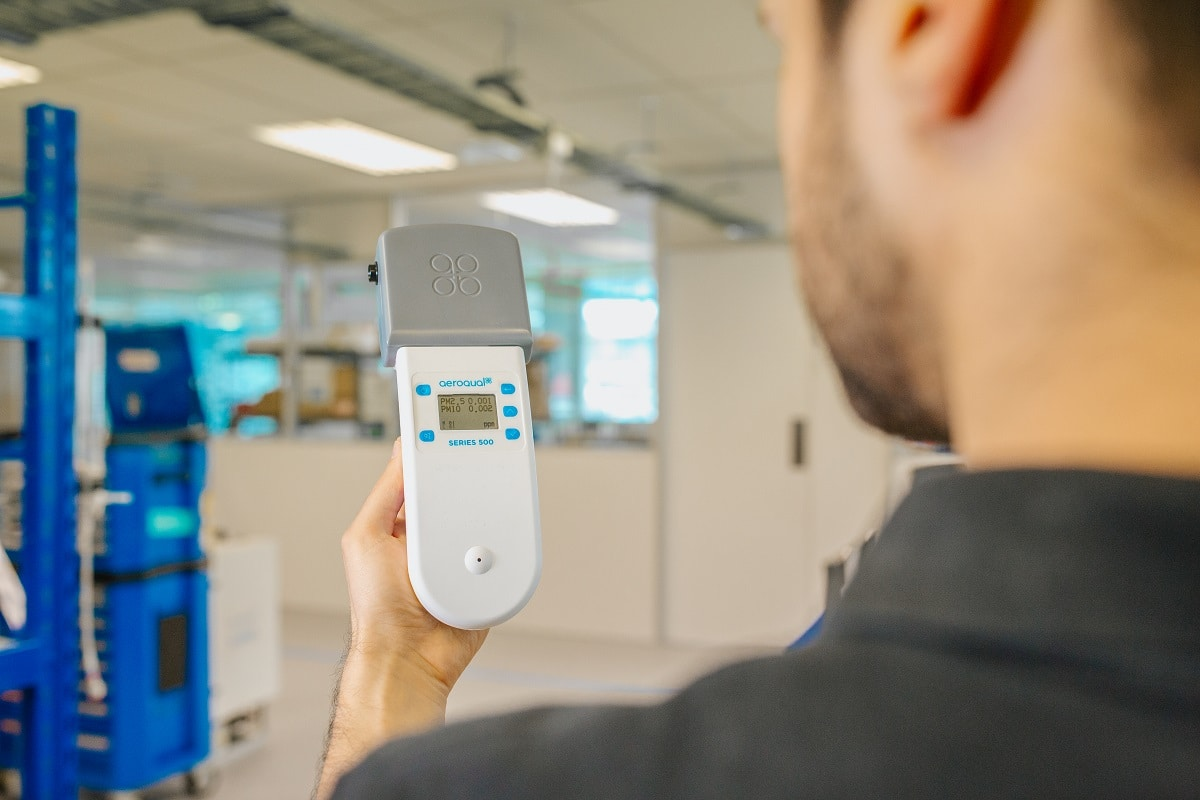
The air inside your home or workplace can affect your comfort, sleep, and overall well being. Dust, pet dander, pollen, mold spores, and other airborne particles can collect indoors, especially when ventilation is limited. Indoor air quality solutions help reduce these pollutants and create a fresher environment. For property owners in Fort Worth, TX, improving indoor air quality is an important part of maintaining a comfortable space throughout the year.
Why Indoor Air Quality Deserves Attention
When people think about home comfort, they often focus on heating and cooling. However, the quality of the air moving through a property is just as important. If you have noticed frequent dust buildup, lingering odors, or increased allergy symptoms indoors, your air may contain pollutants that need attention. Scheduling indoor air quality testing near me can help identify possible concerns and show which improvements may be useful for your property.
Indoor air pollution can come from everyday activities and household materials. Cooking, cleaning products, candles, pets, and furniture can all release particles or gases into the air. Outdoor pollutants can also enter through doors, windows, and ventilation systems. Once these contaminants get inside, they may continue circulating through the HVAC system.
Understanding what is affecting your indoor environment is the first step toward making practical improvements. Testing and professional assessment can help determine whether filtration, ventilation, humidity control, or another solution is appropriate.
Common Causes of Poor Indoor Air Quality
Several factors can contribute to poor indoor air quality. Some are easy to overlook because they develop gradually. Knowing what to watch for can help homeowners take action before indoor conditions become uncomfortable.
Dust and Airborne Allergens
Dust contains a mixture of small particles, including fabric fibers, dirt, pollen, and other debris. Pet dander can also remain suspended in the air and settle on furniture, carpets, and bedding. These particles may circulate repeatedly when an HVAC system runs.
A suitable air filtration system can capture many airborne particles before they move throughout the property. Regular filter replacement is also important because a clogged filter can restrict airflow and reduce filtration performance.
Excess Moisture and Humidity
High indoor humidity can create conditions that support mold growth. Bathrooms, kitchens, laundry rooms, and areas with poor ventilation may be more vulnerable to moisture problems. Musty odors, condensation, and damp surfaces can indicate that humidity needs attention.
Low humidity can cause other discomforts, including dry skin, irritated throats, and static electricity. Maintaining balanced indoor humidity can support a more comfortable environment.
Poor Ventilation
Without adequate ventilation, indoor pollutants may build up over time. Homes with tightly sealed windows and limited fresh air circulation can trap odors, moisture, and airborne contaminants. A properly designed ventilation approach helps exchange stale indoor air with fresh outdoor air while supporting HVAC performance.
Benefits of Professional Indoor Air Quality Solutions
Professional indoor air quality solutions can address different sources of pollution instead of relying on one product to solve every problem. The right approach depends on the size of the property, existing HVAC equipment, ventilation conditions, and the concerns identified during an assessment.
One important benefit is improved particle filtration. Certain filtration systems can capture smaller airborne particles than basic filters. This may be helpful in homes with pets, frequent dust, or seasonal pollen concerns.
Air purification equipment may provide another layer of support. Depending on the technology, these systems can help reduce selected airborne contaminants. However, not every purifier works the same way, so equipment should be selected based on its intended purpose and the property's needs.
Humidity management is another important part of indoor comfort. Proper moisture control can help reduce conditions that encourage mold growth while preventing air from becoming excessively dry.
Professional recommendations can also help homeowners avoid unnecessary purchases. Instead of installing equipment without understanding the problem, an assessment can identify which improvements are likely to make a meaningful difference.
Ways to Maintain Cleaner Air at Home
Professional equipment works best when combined with simple household habits. Consistent maintenance can help reduce indoor pollutants and support better HVAC operation.
Replace HVAC Filters Regularly
Air filters collect dust and other particles as air moves through the system. Check your filter according to the manufacturer's instructions and replace it when needed. The correct filter type and rating matter because a filter that is too restrictive may affect airflow in some systems.
Keep Vents and Returns Clear
Furniture, rugs, curtains, and household items should not block supply vents or return air openings. Clear airflow allows the HVAC system to circulate air more effectively. Keep these areas free of dust and clean visible vent surfaces when necessary.
Control Indoor Moisture
Use bathroom exhaust fans during showers and kitchen ventilation when cooking. Address plumbing leaks and visible water damage promptly. If humidity remains high, consider having the property's moisture levels assessed.
Reduce Everyday Pollutants
Choose household cleaning products carefully and follow their use instructions. Avoid smoking indoors, keep pet areas clean, and vacuum carpets regularly. Opening windows may help bring in fresh air when outdoor air quality and weather conditions are suitable.
Choosing the Right Indoor Air Quality Improvements in Fort Worth
Fort Worth properties face changing conditions throughout the year. Seasonal pollen, outdoor dust, heat, and periods of high humidity can all affect the indoor environment. Homes in nearby communities such as Keller, Arlington, Grapevine, Haltom City, Irving, and Westlake may experience similar concerns.
The best indoor air quality solutions depend on the specific property rather than a one size fits all approach. A home with pets may need stronger particle filtration, while a property with moisture concerns may benefit more from humidity management and improved ventilation. Some buildings may need several improvements working together.
Before choosing equipment, consider the following factors:
-
The size and layout of the property
-
The age and condition of the existing HVAC system
-
The type of pollutants or odors present
-
Current ventilation and humidity levels
-
Filter compatibility and recommended maintenance
A qualified HVAC professional can inspect relevant system components, discuss your concerns, and explain suitable options. Proper installation and routine maintenance are important because even effective equipment may not perform as intended when incorrectly sized or poorly maintained.
For homeowners and businesses seeking practical indoor air improvements, TX Air Mechanics LLC can help assess HVAC related concerns and discuss options for supporting cleaner indoor air. Professional guidance can make it easier to understand which changes fit your property and how to maintain them over time.
Frequently Asked Questions
What are the signs of poor indoor air quality?
Common signs include frequent dust buildup, stale odors, excess humidity, condensation, and discomfort that seems worse indoors. These signs do not confirm a specific air quality problem, but they may indicate that an assessment is worthwhile.
How often should I replace my HVAC air filter?
Replacement frequency depends on the filter type, household conditions, pets, and system usage. Check the manufacturer's recommendations and inspect the filter regularly to determine when it needs changing.
Can an air purifier remove all indoor pollutants?
No. Air purifiers can reduce certain airborne particles or contaminants, depending on their technology and rating. They do not address every source of pollution, so filtration should be considered alongside ventilation and moisture control.
Does humidity affect indoor air quality?
Yes. Excess moisture can encourage mold growth, while very dry air may cause discomfort. Keeping indoor humidity within a suitable range helps support a healthier and more comfortable environment.
Should I have my indoor air quality professionally tested?
Professional testing may be useful when you have persistent odors, moisture concerns, unexplained dust problems, or questions about indoor pollutants. An assessment can help identify possible issues and guide appropriate improvements.
Create a More Comfortable Indoor Environment
Cleaner indoor air starts with understanding what is circulating through your home or business. From dust and allergens to excess humidity and poor ventilation, several factors can affect everyday comfort. The right indoor air quality solutions can help address these concerns while supporting the performance of your HVAC system.
Whether you own a home in Fort Worth or manage a property in a nearby community, taking steps to improve indoor air quality can make your indoor environment more pleasant. Do not ignore ongoing air quality concerns. Call today to discuss your options and schedule professional HVAC service.

i'm an SEO off-page expert.















Comments (0)