

Smart Landscape Drainage Planning with Driftwood Landscape - Pavers & Retaining Walls
Protect your property with smart landscape drainage planning. Explore effective drainage methods to prevent standing water, soil erosion, and yard damage.
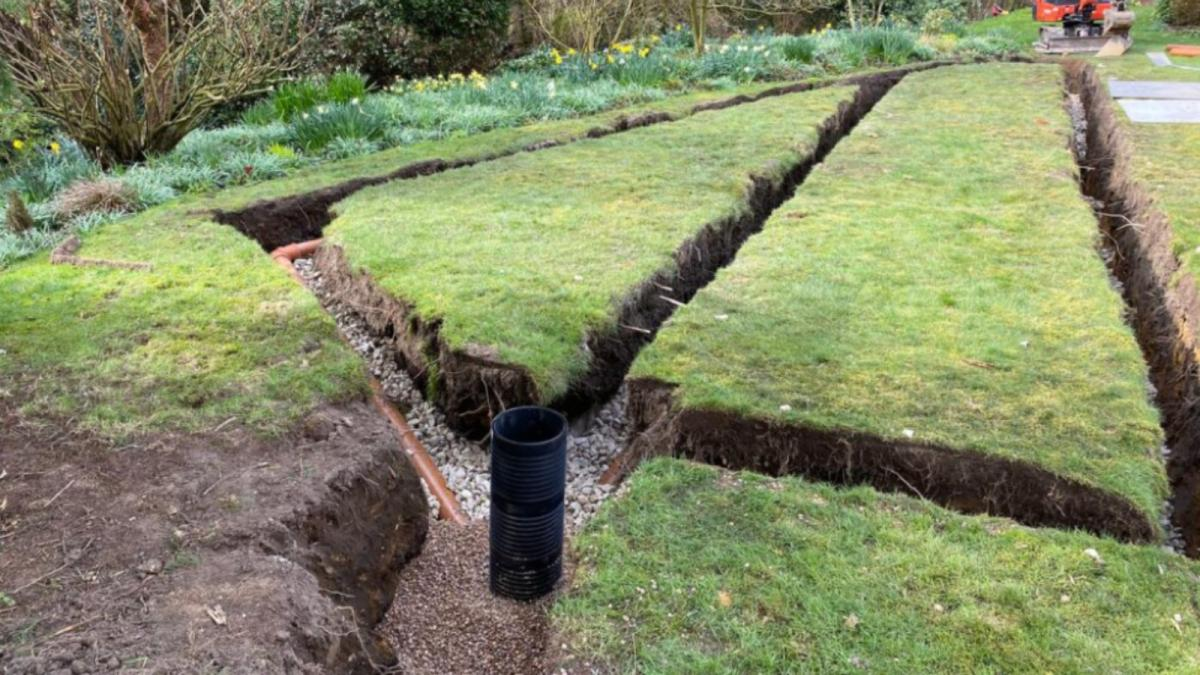
Proper drainage is essential for maintaining a healthy lawn, protecting your home's foundation, and keeping outdoor spaces comfortable. Heavy rainfall, poor soil conditions, and uneven terrain can cause water to collect in unwanted areas, leading to muddy patches, damaged plants, and soil erosion. Smart landscape drainage planning helps homeowners manage excess water before it becomes a bigger problem. With the right drainage system and thoughtful landscape design, you can protect your property while creating an attractive and functional outdoor environment.
Why Proper Yard Drainage Is Important
Homeowners looking for yard drainage solutions should understand that effective water management protects more than just the appearance of a lawn. Excess water can weaken soil, damage landscape features, and create moisture problems around the home's foundation. Areas that remain wet for extended periods may also become difficult to maintain and uncomfortable to use.
A properly planned drainage system directs water away from vulnerable areas and helps maintain healthier outdoor conditions. It also reduces the risk of erosion and protects patios, walkways, garden beds, and retaining walls.
Some important benefits of proper drainage include:
-
Foundation protection: Helps direct water away from the home.
-
Healthier lawns: Reduces prolonged water saturation around grass and plants.
-
Erosion prevention: Limits the amount of soil carried away by flowing water.
-
Better outdoor usability: Reduces muddy areas and standing water.
-
Landscape protection: Helps preserve patios, garden beds, and other outdoor features.
Investing in effective drainage planning can prevent recurring water problems and make everyday landscape maintenance easier.
Common Causes of Poor Landscape Drainage
Before choosing a drainage system, it is important to understand why water collects in certain areas. Every property has different conditions, and identifying the source of the problem helps determine the most practical solution.
Heavy Rainfall and Water Runoff
During heavy storms, large amounts of rainwater can move across lawns, driveways, and landscaped areas. If the property cannot absorb or redirect this water quickly enough, puddles and runoff may develop.
Improper Yard Grading
The slope of your property determines how surface water moves. When the ground slopes toward the house instead of away from it, rainwater may collect near the foundation. Uneven grading can also create low spots where water remains for several days.
Clay Soil and Poor Absorption
Some Michigan properties contain clay heavy soil that absorbs water slowly. This can lead to saturated lawns, muddy sections, and drainage problems after rainfall.
Blocked or Inadequate Drainage Systems
Existing drainage pipes, gutters, and downspouts may become clogged with leaves, dirt, and debris. Systems that are too small or poorly positioned may also struggle to manage heavy rainfall.
Recognizing these issues helps homeowners choose drainage improvements based on actual property conditions rather than temporary fixes.
Effective Drainage Methods for Residential Landscapes
There are several ways to manage excess water around a property. The right approach depends on soil conditions, yard size, water flow, and the location of problem areas.
French Drains
French drains use a perforated pipe surrounded by gravel to collect and redirect underground water. They are useful in areas where water collects beneath the surface or near foundations. Proper placement and a suitable discharge point are important for effective performance.
Catch Basins and Surface Drains
Catch basins collect water from low areas and direct it into connected drainage pipes. They can be useful near patios, driveways, and other surfaces where rainwater tends to accumulate.
Downspout Extensions
Roof drainage can contribute to yard water problems when downspouts release rainwater too close to the home. Extensions help carry water farther away from the foundation and reduce localized saturation.
Proper Grading and Swales
Landscape grading changes the ground slope to encourage water to flow toward suitable drainage areas. A shallow swale can guide surface runoff away from vulnerable sections of the property.
Combining different drainage methods may provide better results than relying on one system alone. A professional assessment helps determine which options are appropriate for your yard.
Integrating Drainage With Landscape Design
Drainage should be considered part of the overall landscape design rather than an addition after construction. Proper planning helps prevent water problems while maintaining the appearance and functionality of your outdoor space.
Protecting Patios and Walkways
Paver patios and walkways need proper grading to prevent water from collecting on their surfaces. Suitable base preparation and drainage planning also help reduce the risk of shifting or uneven pavers.
Using Retaining Walls for Sloped Areas
Retaining walls can help manage uneven terrain and support soil on sloped properties. However, drainage behind the wall is essential. Gravel backfill and drainage pipes can help reduce water pressure and protect the structure.
Maintaining Healthy Garden Areas
Garden beds and planting areas need suitable drainage to prevent roots from remaining in saturated soil. Selecting appropriate plants and positioning them according to sunlight, soil, and moisture conditions can improve landscape health.
For homeowners in Holly, Ortonville, West Bloomfield, and Bloomfield Hills, landscape drainage planning should account for Michigan's rainfall, seasonal temperature changes, and varying soil conditions. Combining grading, drainage systems, pavers, and retaining walls can create an outdoor space that looks attractive and manages water more effectively.
Maintaining Your Landscape Drainage System
Even a properly installed drainage system needs occasional attention. Regular inspections help identify blockages and other issues before they affect the surrounding landscape.
Homeowners should follow a few simple maintenance practices:
-
Remove leaves and debris from catch basins and drain openings.
-
Check downspouts to ensure water flows away from the house.
-
Inspect low areas after heavy rainfall.
-
Keep drainage outlets clear of grass and soil buildup.
-
Watch for new areas of standing water or soil erosion.
It is also helpful to inspect drainage areas during spring and fall. Seasonal debris, changing ground conditions, and freezing temperatures can affect how water moves through your property.
If water continues to collect despite regular maintenance, the drainage layout may need professional evaluation. Repeatedly clearing puddles without addressing the source will not provide a lasting solution.
Homeowners planning outdoor improvements in Michigan can work with Driftwood Landscape - Pavers & Retaining Walls for landscape design, paver patio installation, and retaining wall construction. Considering drainage alongside these services helps create outdoor spaces that are both attractive and practical.
Frequently Asked Questions
What is the best drainage solution for a waterlogged yard?
The best option depends on the cause of the problem. French drains, surface drains, catch basins, and proper grading are common solutions for managing excess water.
How do I know if my yard has poor drainage?
Common signs include standing water, muddy patches, soil erosion, unhealthy grass, and water collecting near your home's foundation.
Can landscaping help prevent drainage problems?
Yes. Proper grading, suitable plant placement, drainage systems, and retaining walls can help manage water movement and protect outdoor areas.
Are French drains suitable for Michigan properties?
French drains can work well on many Michigan properties when properly designed and installed according to soil conditions and water flow requirements.
How often should landscape drainage systems be maintained?
Inspect drainage components at least seasonally and after heavy storms. Remove debris and check outlets to help maintain proper water flow.
Protect Your Property With Smart Landscape Drainage Planning
Effective landscape drainage planning helps protect your lawn, foundation, garden beds, and outdoor living areas from excess water. By understanding the causes of poor drainage and selecting suitable solutions, homeowners can reduce standing water, prevent soil erosion, and maintain healthier landscapes.
Whether your property needs improved grading, underground drainage, surface water management, or better drainage around a patio or retaining wall, proper planning makes a lasting difference. Addressing water problems early can also help prevent more expensive landscape damage in the future.
Ready to improve your yard drainage? Call today to discuss your landscape project and schedule an estimate!

i'm an SEO off-page expert.















Comments (0)