

From Design to Automation: Understanding Sliding Gate Systems
Understand how sliding gate systems work, from design and material selection to automation, access control, safety, fencing, and maintenance. This guide explains the key factors property owners should consider when choosing a sliding gate for residential, commercial, or industrial properties.
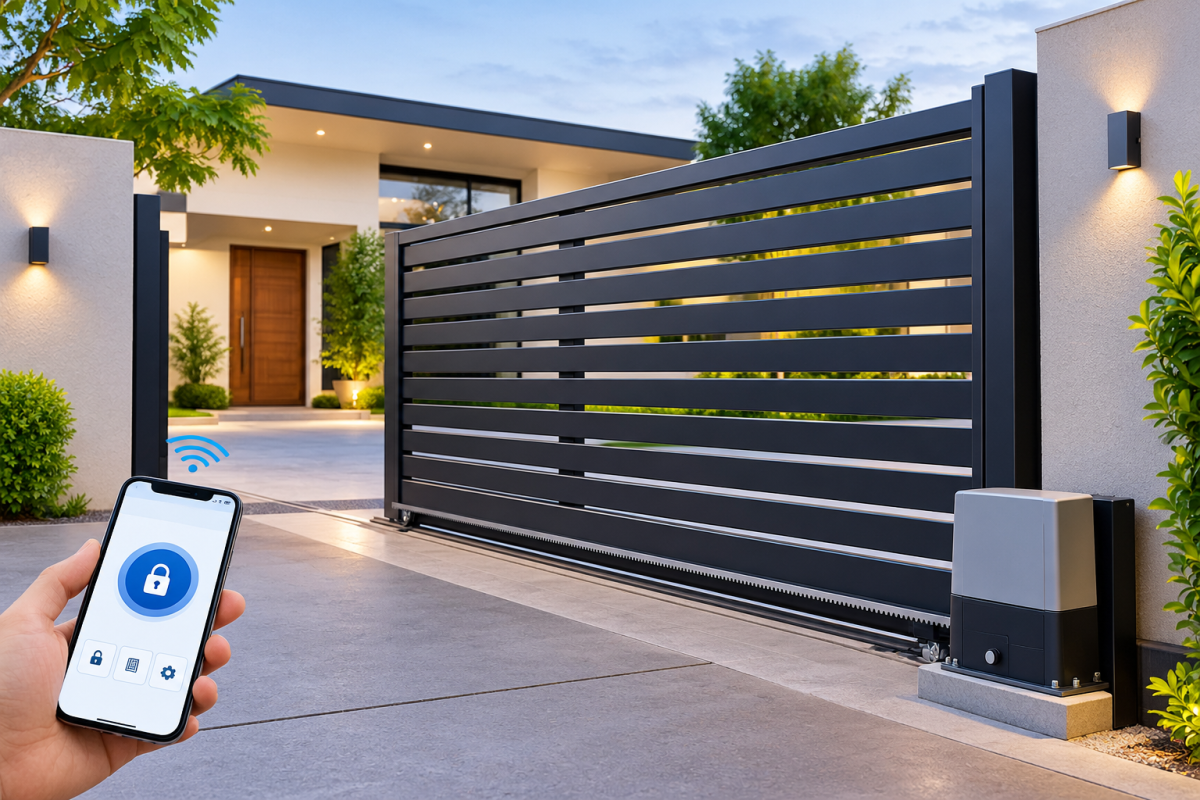
A sliding gate can be a practical way to control vehicle access while making better use of the space around a driveway or property entrance. Unlike a swing gate, which needs room to move inward or outward, a sliding gate travels along the side of an entrance. This makes it useful for many residential, commercial, and industrial properties.
However, choosing a sliding gate involves more than selecting a design. The gate size, materials, ground conditions, automation system, safety features, and surrounding fencing all need to work together.
For property owners considering a Sliding Gate Melbourne solution, understanding the process from design through automation can make it easier to choose a system that suits the property and its daily access needs.
What Is a Sliding Gate?
A sliding gate is an entrance gate that opens horizontally rather than swinging on hinges. It normally moves along a track or uses a cantilever system, depending on the site and gate design.
The gate can be operated manually, but many modern systems use an electric motor. With automation, users can open and close the gate using a remote control, keypad, intercom, or another access-control method.
Sliding gates are available in different sizes, styles, and materials. Aluminium and steel are common choices, while the final design can be matched with existing fencing, buildings, and the overall appearance of the property.
Why Choose a Sliding Gate?
One of the main advantages of a sliding gate is the way it uses space. Because the gate moves sideways, it does not require the clear opening area needed by a swing gate.
This can be useful where a driveway is close to a road, footpath, building, or parking area. It can also help properties where vehicles need to stop close to the entrance before the gate opens.
Sliding gates can also provide a clean and organised entrance. The design can range from simple open-frame styles to more private solid or slatted designs.
For businesses and industrial sites, the gate can be designed around the expected traffic level and the available space.
Step 1: Start With the Property and Entrance
Good gate design starts with the site rather than the motor.
Before choosing a gate, several factors should be considered. These include the width of the entrance, available side space, driveway slope, ground surface, existing fencing, and the type of vehicles that will use the entrance.
The available space beside the driveway is particularly important for a sliding system. The gate needs enough room to move fully clear of the entrance.
The location of posts, fences, walls, landscaping, and other structures should also be considered during planning.
A site assessment can help identify these requirements before fabrication begins.
Step 2: Choose the Right Gate Material
The material affects the appearance, weight, durability, and maintenance requirements of a sliding gate.
Aluminium Gates
Aluminium is a popular option for residential gates because it can provide a modern appearance without the weight of some heavier metal designs. It can also be used in slatted, panel, and other custom styles.
Steel Gates
Steel can be suitable where a strong and robust gate structure is required. It is commonly considered for commercial, industrial, and security-focused applications.
The right choice depends on the gate size, design, location, expected use, and desired appearance.
Step 3: Select a Track or Cantilever System
Sliding gates generally operate using either a ground track or a cantilever arrangement.
A track system uses wheels that travel along a track installed at ground level. The track needs to remain clear and properly maintained so the gate can move smoothly.
A cantilever system supports the gate without requiring a continuous ground track across the driveway. This can be useful in locations where a ground track may be affected by debris, uneven surfaces, or regular vehicle movement.
The site conditions should determine which system is appropriate rather than simply choosing one based on appearance.
Step 4: Consider the Gate's Weight and Size
The size and weight of a gate directly affect the hardware and automation system required.
A small residential gate may have very different requirements from a large commercial gate that operates frequently throughout the day.
The frame, wheels, rollers, posts, track or cantilever hardware, and motor should all be suitable for the completed gate.
Oversized or heavy gates should not simply be paired with a standard motor. The automation system needs to be selected according to the gate's characteristics and expected workload.
Step 5: Add Gate Automation
Once the physical gate system has been designed, automation can be added.
An automated sliding gate uses an electric motor to move the gate along its operating system. The motor is normally controlled through an access device such as a remote control, keypad, intercom, or other compatible control system.
Automation can make daily access more convenient. Instead of manually opening a heavy gate, an authorised user can operate the system from a suitable control device.
For busy properties, the automation system should be selected according to how often the gate is expected to operate.
Access Control Options
Different properties require different ways of controlling entry.
A remote control can be convenient for homeowners and regular users. Keypads can provide access without requiring a physical remote. Intercom systems can allow a property owner or manager to communicate with a visitor before granting access.
Commercial and shared properties may need a more structured access system, particularly where several people need to use the entrance.
The important point is to plan access control at the design stage rather than treating it as an afterthought.
Safety Should Be Part of the Design
Automation adds convenience, but safety needs to remain a priority.
An automated gate should be installed and configured with appropriate safety measures for its location and use. The system should be checked to ensure the gate operates correctly and that potential hazards are considered during installation.
The gate should also move smoothly without unnecessary resistance. Poor alignment, damaged components, or unsuitable hardware can affect operation.
Regular inspections and maintenance can help identify wear or operating problems before they become larger issues.
Connecting the Gate With Security Fencing
A sliding gate does not always need to work alone. For properties that require a complete perimeter, the gate can be combined with security fencing.
Chain mesh fencing is one option for creating a visible boundary around residential, commercial, and industrial properties. I Gate Automation's fencing information highlights galvanised or PVC-coated mesh, heavy-duty posts and fittings, and custom heights and configurations for different applications.
Combining the gate and fencing can also create a more consistent entrance and boundary design. For commercial sites, warehouses, factories, schools, sports grounds, and restricted areas, the gate can form the controlled entry point while the surrounding fence defines the perimeter.
The fencing style should be selected according to the required level of security, visibility, property layout, and applicable requirements.
Design Should Match the Property
Security does not mean a gate has to look out of place.
Modern sliding gates can be designed in different patterns, colours, finishes, and materials. Vertical slats can create a contemporary appearance, while more open designs can maintain visibility through the entrance.
For residential properties, matching the gate with existing fencing and the building can create a more unified appearance.
Commercial properties may focus more heavily on durability, access control, and practical operation.
A well-planned gate should balance appearance with its intended function.
Maintenance for Long-Term Performance
Like any mechanical system, an automated sliding gate benefits from regular maintenance.
The track, wheels, rollers, hinges where applicable, motor, electrical components, and access controls should be checked according to the system's requirements.
The gate area should also be kept clear of objects and excessive debris that could interfere with movement.
For track-based systems, keeping the track clean is particularly important. For automated gates, unusual noises, slower movement, stopping during operation, or inconsistent opening can indicate that inspection or servicing is needed.
Addressing smaller problems early can help keep the system operating reliably.
Choosing a Sliding Gate for Melbourne Properties
When planning a Sliding Gate Melbourne project, the local property conditions should be considered as part of the design process.
Residential driveways, commercial entrances, warehouses, and industrial yards can have very different requirements. A solution designed for occasional home use may not be suitable for a busy commercial entrance.
The right system should therefore be based on the entrance width, available side clearance, gate material, expected traffic, automation requirements, security needs, and surrounding fencing.
A professional site assessment can help bring these factors together before fabrication and installation begin.
What to Ask Before Installation
Before proceeding with a sliding gate project, property owners can ask several practical questions:
-
What type of sliding system suits the available space?
-
Which material is suitable for the gate?
-
How much side clearance is required?
-
What motor capacity is appropriate for the gate?
-
How will users control access?
-
What safety features are included?
-
Does the gate need to connect with existing fencing?
-
What maintenance will the system require?
-
Are there any local approval or compliance requirements to check?
Getting clear answers before work begins can reduce surprises during installation.
Frequently Asked Questions
1. What is a sliding gate?
A sliding gate is a gate that moves horizontally along a track or support system to open and close an entrance. It can be operated manually or fitted with an electric automation system.
2. Are sliding gates suitable for residential properties?
Yes. Sliding gates can be used for residential driveways where there is sufficient side space for the gate to move. The design can be customised to suit the home's appearance and access requirements.
3. Can a sliding gate be automated?
Yes. A sliding gate can be fitted with an electric motor and access controls such as remote controls, keypads, or compatible intercom systems. The motor should be selected according to the gate's size, weight, and expected usage.
4. Can sliding gates be combined with security fencing?
Yes. A sliding gate can form the controlled entrance to a larger fenced perimeter. Chain mesh and other security fencing options can be used around commercial, industrial, residential, and other properties depending on the site's requirements.
5. How do I choose the right sliding gate system?
Start by assessing the entrance width, available side space, ground conditions, gate material, expected usage, security requirements, and automation needs. A professional site assessment can help determine which system is suitable for the property.
Final Thoughts
A sliding gate is more than a moving barrier at the entrance. From the first design measurements to material selection, supporting hardware, automation, access control, safety, and surrounding fencing, each part contributes to how the complete system performs.
For homeowners, businesses, and industrial property owners looking at a Sliding Gate Melbourne solution, careful planning can help create an entrance that is practical, secure, and suited to the property.
With experience across automatic gates, sliding gates, and security fencing, I Gate Automation can help property owners consider the different elements involved in creating a complete gate and access solution.
I Gate Automation is Melbourne’s trusted specialist in custom aluminium and steel gates, fencing, and smart automation systems, delivering secure, durable, and professionally installed solutions for residential and commercial properties. Description Business Long "I Gate Automation is a Melbourne-based company specializing in the design, manufacture, and installation of high-quality aluminum and steel gates, fencing, and automation systems. The company provides tailored solutions for residential, commercial, and industrial properties across Greater Melbourne.









Comments (0)