

Hidden Home Problems: Why Foundation and Crawl Space Maintenance Matters
Discover how foundation inspections, crawl space moisture control, and structural maintenance help homeowners prevent damage and protect their property's long-term stability.

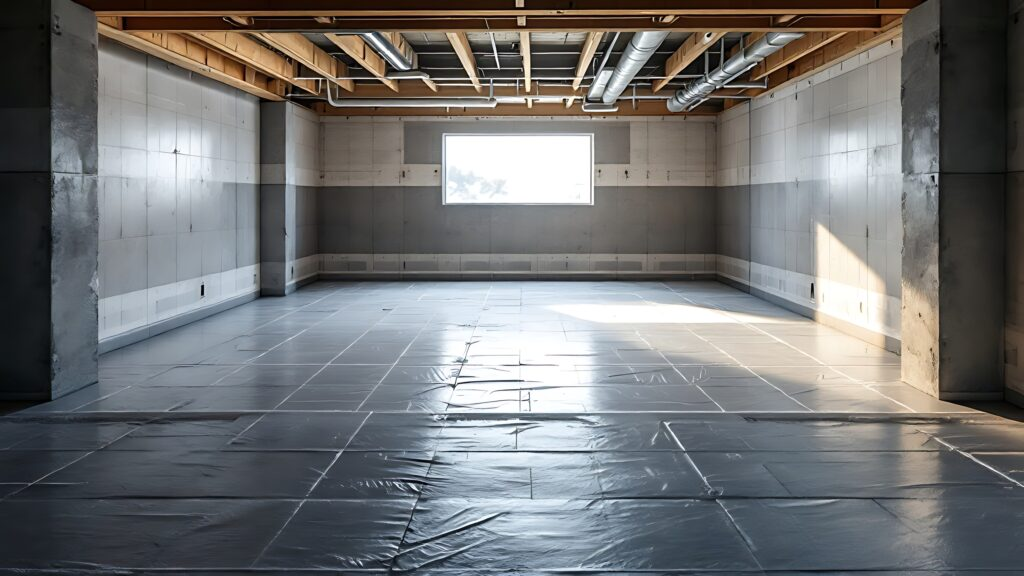
When homeowners think about maintaining their properties, they often focus on visible areas such as roofing, flooring, kitchens, and exterior paint. However, some of the most important parts of a home are located beneath the living spaces. Foundations and crawl spaces play a major role in supporting the structure, managing moisture, and maintaining the overall condition of a property.
Because these areas are not always visible, developing problems can go unnoticed for extended periods. Learning how to recognize early warning signs and understand basic maintenance practices can help homeowners make informed decisions and avoid unnecessary property damage.
1. Understanding the Role of a Home's Foundation
A foundation is the structural base that supports the weight of a building and transfers that load into the surrounding soil. Its condition is important for maintaining the stability of walls, floors, and other structural components.
Different factors can affect foundation performance, including soil movement, changes in moisture levels, inadequate drainage, and natural settlement.
Homeowners should pay attention to changes such as:
- New or expanding cracks in foundation walls.
- Uneven or sloping floors.
- Doors and windows that become difficult to operate.
- Gaps around window frames and doorways.
- Cracks appearing in exterior masonry.
These signs do not automatically mean that a home has serious foundation damage. However, when several symptoms appear together or become progressively worse, a professional inspection can help identify the cause.
2. Why Crawl Spaces Should Never Be Ignored
A crawl space is an area beneath a home that provides access to plumbing, electrical components, insulation, and structural framing. Although it is not usually part of the main living area, its condition can influence the performance of the entire property.
One of the biggest concerns in crawl spaces is excessive moisture. Water can enter through plumbing leaks, poor exterior drainage, groundwater, or moisture rising from exposed soil.
When damp conditions persist, they may affect wooden floor joists, support beams, insulation, and other building materials.
Common warning signs include:
- Persistent musty odors.
- Standing water beneath the home.
- Damp or deteriorating insulation.
- Visible wood damage.
- Condensation on pipes and surfaces.
- Unusual floor movement.
Regularly monitoring accessible crawl space areas can help homeowners identify problems before they become more extensive.
3. How Excess Moisture Can Affect a Property
Moisture management is an essential part of residential property maintenance. When water accumulates around or beneath a building, it can create conditions that contribute to material deterioration and indoor moisture concerns.
For example, prolonged exposure to moisture can weaken wooden structural components. Damp environments may also encourage mold growth and affect insulation performance.
Several approaches can help address these concerns.
Vapor barriers: These materials help reduce moisture evaporation from exposed soil into the crawl space.
Crawl space encapsulation: This process uses suitable barriers and sealing methods to limit moisture entering the crawl space. Appropriate humidity management may also be necessary.
Drainage improvements: Proper drainage helps move water away from the building and reduces unwanted accumulation near the foundation.
Sump pump systems: Where water collects, a properly designed sump pump can help remove accumulated water.
The correct solution depends on the source of moisture and the property's existing conditions. Simply covering a damp area without addressing the underlying water problem may not provide a lasting solution.
4. The Connection Between Drainage and Foundation Stability
Water management around a property is just as important as maintaining the foundation itself.
When rainwater collects close to foundation walls, it can contribute to soil saturation and changes in soil conditions. Depending on the soil type and building design, these changes may contribute to foundation movement.
Homeowners can take several practical steps to improve exterior water management:
- Clean gutters regularly to prevent overflow.
- Extend downspouts so water drains away from the foundation.
- Check the yard for areas where rainwater collects.
- Maintain appropriate ground grading around the property.
- Address plumbing leaks and other sources of unwanted water.
These simple maintenance habits can help reduce moisture-related risks and support the long-term condition of the property.
5. Recognizing Problems With Structural Floor Supports
The floors inside a home depend on several structural components, including joists, beams, girders, and support posts.
When these components become damaged or weakened, homeowners may notice sagging floors, uneven surfaces, or changes in how doors and windows operate.
Moisture exposure is one possible contributing factor, particularly in crawl spaces where wooden framing may remain damp for extended periods.
Other causes may include inadequate support, deterioration, or foundation movement.
It is important to identify the actual source before selecting a repair solution. Replacing visible flooring materials alone may not correct an underlying structural problem.
A professional evaluation can help determine whether floor support repairs, foundation work, or moisture management improvements are needed.
6. When Should You Consider Professional Foundation and Crawl Space Repair?
Some property maintenance activities can be completed by homeowners through regular inspections and basic upkeep. However, recurring moisture problems, visible structural deterioration, and signs of foundation movement may require professional attention.
When researching foundation and crawl space repair services, homeowners should look for professionals who understand different structural conditions and can explain the available repair options.
Atlantic Foundation & Crawl Space Repair offers services related to foundation repair, crawl space maintenance, moisture management, and structural floor repairs.
Homeowners interested in understanding available solutions can explore these foundation and crawl space repair services to learn more about approaches to maintaining residential and light commercial properties.
Before choosing a service provider, consider the inspection process, relevant experience, proposed repair methods, and clarity of the recommendations provided.
7. A Seasonal Home Maintenance Checklist
Creating a regular maintenance routine can make it easier to monitor important areas of a property.
During spring:
- Inspect gutters and downspouts after seasonal rainfall.
- Check for standing water around the foundation.
- Look for new exterior cracks or drainage problems.
During summer:
- Inspect accessible crawl space areas for moisture concerns.
- Check plumbing connections for leaks.
- Monitor unusual changes in floors and interior walls.
During autumn:
- Remove leaves and debris from gutters.
- Make sure downspouts are directing water away from the home.
- Review any cracks or drainage concerns identified earlier.
During winter:
- Watch for plumbing leaks and condensation.
- Check for changes in indoor humidity.
- Arrange professional evaluations for unresolved structural concerns.
The exact maintenance schedule may vary depending on the property's location, climate, soil conditions, and construction type.
8. Making Long-Term Property Protection a Priority
A well-maintained property depends on more than its visible appearance. Foundations, crawl spaces, drainage systems, and structural floor supports all contribute to a home's stability and durability.
Homeowners who understand the importance of these components can make better maintenance decisions and recognize when professional assistance may be necessary.
Regular inspections, effective water management, and timely attention to warning signs can help reduce avoidable deterioration.
Taking care of the areas beneath your home is an important part of protecting the structure above it. A proactive maintenance approach can support long-term property performance and help homeowners maintain a safer, more comfortable living environment.













Comments (0)