

When Should You Call a Professional Instead of Using a Carpet Steam Cleaner?
You can handle light surface dirt with a carpet steam cleaner at home, but certain situations demand professional expertise.
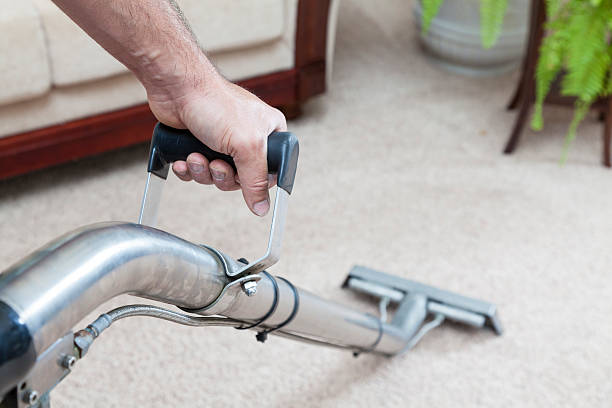
You can handle light surface dirt with a carpet steam cleaner at home, but certain situations demand professional expertise. If your carpet has deep-set stains, delicate fibres, or widespread soiling, DIY steam cleaning can cause more harm than good. Knowing when to step back and call a professional protects your carpet and extends its life.
When DIY Steam Cleaning Isn't Enough
A home steam cleaner works well for routine maintenance on standard synthetic carpets. However, it falls short when you're dealing with persistent stains, water-sensitive natural fibres, mould growth, or heavily trafficked commercial areas. In these cases, professional carpet cleaning services use industrial-grade equipment, specialised solutions, and trained technicians to achieve results that a rental or consumer-grade machine simply cannot replicate.
You Have Delicate or Natural Fibre Carpets
Not all carpets respond well to steam. Wool, silk, jute, and sisal are particularly vulnerable to excess moisture and heat. Using the wrong machine — or the wrong temperature — can cause shrinkage, colour bleeding, or permanent distortion of the pile.
Wool carpets, for example, are protein-based fibres. Exposing them to high heat can break down the fibre structure. Silk rugs are even more sensitive — they can lose their sheen or become brittle if treated incorrectly. These materials require pH-balanced, low-moisture cleaning techniques that only a trained professional carpet cleaner in Singapore would know how to apply correctly.
Signs Your Carpet Fibre Needs a Specialist
-
The label reads "dry clean only" or specifies low-moisture care
-
The carpet is hand-woven, antique, or has an irregular texture
-
You notice any colour fading or fraying along the edges
-
The backing feels stiff or brittle
The Stain Has Been There for More Than 48 Hours
Fresh spills are manageable. Once a stain sets — especially protein-based ones like blood, urine, or dairy — it bonds chemically with the carpet fibre. At that point, using a steam cleaner to clean carpet can actually heat-set the stain, making it permanently harder to remove.
Professional technicians use enzyme-based pre-treatments and targeted extraction methods designed specifically for deep carpet stain removal. They assess the stain type, the fibre composition, and the appropriate dwell time before any machine ever touches the carpet.
Stain Types That Almost Always Need a Professional
-
Red wine or curry: Tannins and pigments that penetrate deep into the pile
-
Pet urine: Requires enzyme treatment to neutralise odour at the source
-
Ink or dye: Risk of spreading if not treated with the correct solvent
-
Grease or oil: Water-based steam cleaning alone won't lift these
-
Mould or mildew: Requires antimicrobial treatment, not just heat
There Is Mould, Mildew, or a Persistent Odour
If your carpet smells musty — even after cleaning — mould or bacteria may have taken hold beneath the surface, in the backing or underlay. Singapore's humid climate makes this a genuine risk, particularly in older apartments, ground-floor units, or spaces with poor ventilation.
Steam alone will not eliminate mould spores effectively. Worse, adding moisture without proper extraction can accelerate growth. A professional carpet cleaning service will use antimicrobial treatments and high-powered extraction to address the root cause — not just the surface symptoms.
Your Carpet Covers a Large or Commercial Area
Consumer steam cleaners are designed for spot cleaning or small domestic rooms. If you're managing carpet across an office floor, a hotel lobby, a retail space, or a multi-room home, the job requires industrial-grade truck-mounted or portable extraction units that deliver consistent results at scale.
For business operators in particular, the downside risk is real. A poorly cleaned commercial carpet can harbour allergens and bacteria, affect air quality, and create an unprofessional impression. Professional carpet cleaning services in Singapore are equipped to handle large areas efficiently with minimal business disruption.
DIY vs. Professional Carpet Cleaning: A Practical Comparison
|
Situation |
DIY Steam Cleaner |
Professional Service
|
|---|---|---|
|
Light surface dust and dirt |
✓ Suitable |
Optional |
|
Set-in or stubborn stains |
✗ Risk of heat-setting |
✓ Recommended |
|
Wool, silk, or natural fibres |
✗ Risk of damage |
✓ Essential |
|
Mould or odour below surface |
✗ May worsen problem |
✓ Required |
|
Large commercial areas |
✗ Insufficient power |
✓ Best option |
|
Post-flood or water damage |
✗ Inadequate extraction |
✓ Critical |
Your Carpet Has Just Experienced Water Damage or Flooding
If your carpet has been soaked — from a burst pipe, a roof leak, or flooding — acting within 24 to 48 hours is critical to prevent mould growth. This situation is beyond the scope of any home steam cleaner. You need high-capacity water extraction, industrial drying fans, and antimicrobial treatment to prevent long-term damage to both the carpet and the subfloor beneath it.
Attempting to dry a flooded carpet with a domestic machine risks leaving residual moisture trapped in the underlay — which then becomes a breeding ground for mould and dust mites over the following weeks.
How Often Should You Book a Professional Clean?
Even if your carpet looks clean, regular professional servicing is recommended. The general guidance for Singapore homes and offices is:
-
Residential carpets: At least once every 12 months
-
Homes with pets or children: Every 6 months
-
Commercial or high-traffic areas: Every 3 to 6 months
-
Post-event or post-renovation: As needed, immediately after
Regular professional cleaning also helps maintain your carpet's manufacturer warranty, many of which require documented professional cleaning at set intervals.
Make the Right Call Before the Damage Is Done
Using a home steam cleaner for basic upkeep is sensible and cost-effective. But when the situation involves delicate fibres, old or chemical stains, mould, water damage, or commercial-scale soiling, the risk of making things worse is real — and often irreversible. The cost of re-carpeting a room or replacing a quality rug far exceeds the cost of professional intervention.
Frequently Asked Questions
Can I use a steam cleaner to clean carpet with wool or silk fibres?
It is not advisable. Wool and silk are heat-sensitive and can shrink, lose colour, or become damaged under high steam temperatures. These carpet types require low-moisture, specialist cleaning methods that a trained professional carpet cleaner in Singapore can safely provide.
How do I know if a carpet stain needs professional deep carpet stain removal?
If the stain is older than 48 hours, caused by protein (urine, blood, food), or has already been treated unsuccessfully at home, call a professional. DIY attempts on set stains — especially with heat — can permanently bond the stain to the carpet fibre.
Is professional carpet cleaning worth the cost in Singapore?
Yes, especially for quality carpets, large areas, or persistent problems. Professional carpet cleaning services in Singapore use industrial equipment and targeted treatments that deliver deeper, longer-lasting results than consumer machines — protecting your carpet investment and improving indoor air quality.
How long does it take for a professionally cleaned carpet to dry?
Most professionally cleaned carpets dry within 4 to 8 hours, depending on ventilation, humidity, and carpet thickness. Professionals use high-powered extraction that removes significantly more moisture than a home steam cleaner, which substantially reduces drying time and minimises mould risk.
Can carpet steam cleaning remove mould?
Steam alone is not sufficient to eliminate mould at the root level, particularly if it has penetrated the backing or underlay. Professional carpet cleaning services apply antimicrobial treatments combined with deep extraction to address mould properly — preventing regrowth rather than just masking the odour.
How often should commercial carpets be professionally cleaned in Singapore?
High-traffic commercial carpets — in offices, retail spaces, or hospitality settings — should be professionally cleaned every 3 to 6 months. Regular servicing maintains hygiene standards, extends carpet lifespan, and ensures a presentable environment for staff and customers.














Comments (0)