

How to Find the Right Valve Supplier for Your Business Requirements

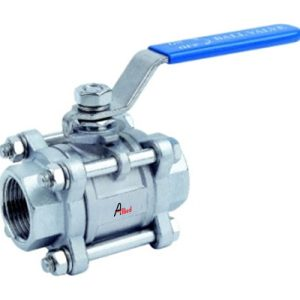
Industrial valves are essential components in pipelines and processing systems where controlling the flow of liquids, gases, and steam is important. Different industries require different valve types depending on their operating conditions, pressure requirements, temperature, and application. Choosing the right supplier is therefore an important decision for businesses that want dependable products and smooth industrial operations.
When searching for a valve supplier in Ahmedabad, buyers should consider more than just product prices. Product quality, material selection, technical knowledge, availability, and delivery reliability all contribute to a successful purchasing decision.
Understand Your Industrial Valve Requirements
Before selecting a supplier, identify the exact requirements of your application. Different valves perform different functions, and choosing an unsuitable design may affect system performance.
Common industrial valve options include:
-
Ball Valves: Used for quick shut-off and reliable flow isolation.
-
Butterfly Valves: Suitable for flow control and isolation in various pipeline applications.
-
Gate Valves: Primarily used for fully open or fully closed flow service.
-
Globe Valves: Commonly selected for regulating and throttling applications.
-
Check Valves: Help prevent reverse flow in pipeline systems.
-
Control Valves: Used to regulate flow, pressure, or other process variables automatically.
Understanding these requirements helps buyers communicate more clearly with potential suppliers.
Check Product Quality and Material Selection
Product quality is one of the most important factors when choosing an industrial valve supplier. A suitable valve should be manufactured using materials that match the operating environment and media requirements.
Common valve materials include stainless steel, carbon steel, cast iron, brass, PVC, UPVC, and CPVC.
Each material has different characteristics. Stainless steel is often selected for corrosion resistance, while carbon steel is commonly used in applications requiring mechanical strength. Plastic valves may be suitable for specific chemical and water-handling systems.
Buyers should check material specifications, pressure ratings, temperature limits, and compatibility with the intended application before purchasing.
Evaluate Manufacturing and Quality Standards
A dependable supplier should provide products that meet the required technical specifications and applicable industry standards.
Important quality considerations include:
-
Accurate dimensions and component finishing
-
Reliable sealing arrangements
-
Suitable body and internal materials
-
Proper assembly and inspection
-
Pressure and leakage testing where applicable
Buyers can request product datasheets, inspection reports, and relevant quality documentation to understand whether the supplied products meet their requirements.
Consider Product Range and Availability
Industrial projects often require different types and sizes of valves. Working with a supplier that offers a suitable product range can simplify procurement and reduce the effort involved in coordinating multiple purchases.
Before finalising an order, check product availability, connection types, pressure classes, operating methods, and material options.
It is also useful to confirm whether the supplier can support repeat orders and maintain consistency in product specifications.
Look for Technical Support
Technical assistance can make a significant difference when selecting valves for specialised applications. Buyers may need guidance regarding valve sizing, material compatibility, pressure ratings, connection standards, or actuator selection.
A knowledgeable supplier should be able to explain product specifications and help buyers identify suitable options based on their actual operating requirements.
Good communication also helps prevent incorrect product selection and unnecessary purchasing delays.
Compare Pricing and Delivery Reliability
Price is important, but the cheapest product is not always the most economical choice over its entire service life. Buyers should compare quotations based on material quality, technical specifications, testing, warranty conditions, and delivery terms.
Delivery reliability is equally important for industrial projects. Delayed valve supplies can affect installation schedules and production planning.
Allied Valves India is a business name buyers may consider when exploring industrial valve sourcing options. As with any potential supplier, verify product specifications, availability, documentation, and commercial terms before confirming an order.
Conclusion
Finding the right valve supplier requires careful evaluation of product quality, material selection, technical support, product availability, and delivery reliability. Every industrial application has different requirements, so buyers should select valves according to their actual operating conditions rather than price alone.
By comparing suppliers and checking technical specifications before purchasing, businesses can make informed decisions, reduce sourcing risks, and support reliable industrial operations.
















Comments (0)