

ETP Plant Pakistan: How Power Interruptions and Production Changes Affect Industrial Wastewater Treatment
Discover how power interruptions and production changes affect industrial ETP plants in Pakistan. Learn about backup power, wastewater storage, biological treatment stability, equipment reliability and effective contingency planning for factories.

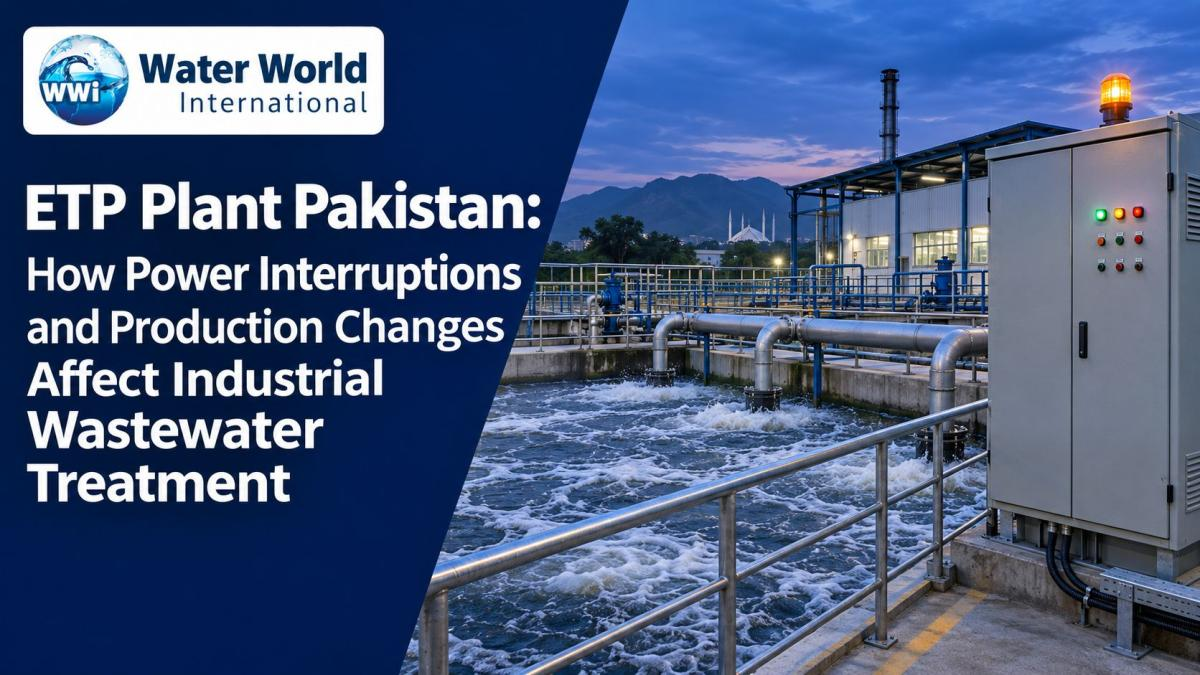
A factory can stop production during a power interruption, but wastewater management remains an ongoing responsibility. Water already inside treatment tanks still needs attention. Some manufacturing processes may also continue operating through backup electricity.
For businesses considering an ETP Plant Pakistan project, these conditions deserve careful attention during design and operational planning. Even a well-designed treatment system can experience difficulties when electricity supplies or wastewater volumes change unexpectedly.
Understanding these challenges helps factory owners make better decisions about equipment, backup power, wastewater storage, and daily treatment operations.
ETP Plant Pakistan: Why Operational Interruptions Matter
How Power Interruptions Affect Wastewater Treatment Equipment
Most industrial effluent treatment plants depend on electrical equipment to maintain treatment conditions. Pumps transfer wastewater, blowers supply air, and dosing systems introduce treatment chemicals.
When electricity becomes unavailable, several treatment activities may stop together.
Common concerns include:
-
Interrupted wastewater transfer between treatment stages.
-
Reduced oxygen supply in biological treatment tanks.
-
Unavailable chemical dosing and mixing equipment.
-
Loss of automatic monitoring and control functions.
-
Increasing wastewater levels in collection tanks.
The seriousness of these problems depends on the treatment process, available storage, and duration of the interruption.
Why Changing Production Schedules Create Treatment Challenges
Industrial wastewater generation rarely remains consistent throughout the day. Additional production shifts, machinery cleaning, and batch processing can increase discharge within a short period.
For example, a textile dyeing facility may release several wastewater batches while its treatment plant operates below normal capacity.
Without proper coordination, sudden discharge can place unnecessary pressure on pumps, storage tanks, and downstream treatment processes.
Production planning should therefore include wastewater management requirements rather than treating the ETP as a separate responsibility.
Understand the Impact of Power Loss on Biological Treatment
The Role of Aeration and Dissolved Oxygen
Aerobic biological treatment relies on microorganisms that need suitable oxygen levels to break down biodegradable pollutants.
Blowers and aeration equipment maintain these conditions in many industrial treatment systems. When aeration stops, dissolved oxygen levels may gradually decline.
The impact depends on factors such as wastewater strength, temperature, biological activity, and existing treatment conditions.
Short interruptions may have limited consequences in some systems. Longer interruptions can create more serious operational difficulties.
There is no universal safe outage duration for biological wastewater treatment. Each facility needs a contingency plan based on its process design and operating history.
Recognize Treatment Instability After Electricity Interruptions
Restoring electricity does not necessarily mean treatment performance has returned to normal.
Operators should inspect equipment and review relevant process conditions before assuming the plant is functioning properly.
Potential warning signs include:
-
Unusual changes in dissolved oxygen readings.
-
Unexpected odours from treatment tanks.
-
Poor sludge settling in biological treatment systems.
-
Changes in treated-water appearance.
-
Abnormal laboratory test results.
These symptoms can have several causes. Proper investigation is necessary before making significant adjustments to treatment operations.
Manage Wastewater Flow During Changing Production Conditions
Use Equalization and Wastewater Holding Capacity Effectively
An equalization tank helps balance variations in wastewater flow and concentration before further treatment.
During operational interruptions, available holding capacity may provide temporary flexibility. However, storage is limited and cannot replace a suitable emergency response plan.
Consider a hypothetical factory generating 12 cubic metres of wastewater per hour. A two-hour treatment interruption could create 24 cubic metres requiring temporary management.
This simplified example assumes wastewater generation continues while onward treatment stops completely.
Actual storage requirements depend on incoming flow, existing tank levels, available working volume, and treatment capacity during the interruption.
Factories should establish these figures before emergencies occur. Otherwise, operators may discover storage limitations when wastewater levels are already approaching unsafe conditions.
Coordinate Factory Production with ETP Operating Requirements
Communication between production teams and treatment operators can prevent avoidable operational pressure.
Inform ETP staff about planned batch discharges, major cleaning activities, and changes in manufacturing schedules.
During electricity interruptions, production managers should understand whether the treatment plant can safely receive additional wastewater.
If available treatment or storage capacity becomes insufficient, production adjustments may be necessary under the facility's approved contingency procedures.
Regular coordination is especially important for factories operating multiple shifts or different manufacturing processes.
Improve Industrial ETP Reliability Through Contingency Planning
Identify Essential Equipment for Backup Power
A backup generator should be selected according to actual treatment requirements. Simply purchasing a generator without assessing electrical demand may leave important equipment unavailable.
Begin by identifying equipment necessary to maintain safe plant conditions during an interruption.
Depending on the treatment system, this may include:
-
Essential wastewater transfer pumps.
-
Aeration blowers and mixers.
-
Tank-level monitoring and alarm systems.
-
Critical chemical dosing equipment.
-
Necessary control and instrumentation systems.
A qualified electrical engineer should assess running loads, motor starting requirements, and equipment priorities.
Also consider generator maintenance, fuel availability, electrical protection, and safe power transfer arrangements.
Backup equipment needs periodic testing. A generator that has remained unused for months may not be ready when an interruption occurs.
Evaluate Plant Design for Operational Flexibility
Existing treatment plants may benefit from engineering improvements that address recurring operational interruptions.
Depending on the facility, suitable options could include standby pumps, improved alarm systems, additional holding capacity, or revised control arrangements.
When evaluating an ETP Plant Pakistan configuration, consider actual electricity availability and manufacturing schedules alongside treatment capacity.
A plant designed around realistic operating conditions may be easier to manage during unexpected disruptions.
However, upgrades should address documented problems rather than adding unnecessary equipment. Review operating records and identify the actual limitations before approving further investment.
Prepare an Operational Reliability Assessment for Your ETP
Before requesting an engineering assessment, gather information about electricity interruptions, equipment specifications, wastewater generation, and production schedules.
Include existing backup power arrangements, available tank capacity, maintenance records, and recent wastewater test results.
These details help identify whether operational difficulties involve electrical limitations, insufficient storage, equipment faults, or changing treatment loads.
Does your factory experience recurring wastewater treatment interruptions?
Share your ETP operating conditions and technical concerns with Water World International. Discuss suitable treatment plant configurations, equipment requirements, and potential improvements based on your facility's actual needs.
Frequently Asked Questions
How Do Power Interruptions Affect Industrial ETP Plants in Pakistan?
Electricity interruptions can affect wastewater pumping, aeration, chemical dosing, and monitoring systems. Their impact depends on the treatment technology, available backup power, and wastewater conditions during the interruption.
Does Every Industrial ETP Need a Backup Generator?
Not necessarily. Backup power requirements depend on essential equipment, wastewater storage, electricity reliability, and applicable operating obligations. A site-specific engineering assessment helps determine suitable arrangements.
How Can Factories Manage Sudden Increases in Wastewater Flow?
Suitable equalization capacity, controlled wastewater releases, production coordination, and appropriate equipment sizing can help manage variable flows. Available storage and treatment limitations must also be considered.
Can an Existing ETP Plant Be Upgraded to Improve Operational Reliability?
Yes, depending on its existing design and condition. Potential improvements include standby equipment, backup power, monitoring instruments, and additional storage. Technical assessment should precede equipment selection.




Comments (0)