

Dissertation Writing Costs Explained: Factors That Influence the Price of Academic Support
Thinking about whether to pay for my dissertation support? Learn the factors behind pricing, what a fair quote includes and how to judge value.

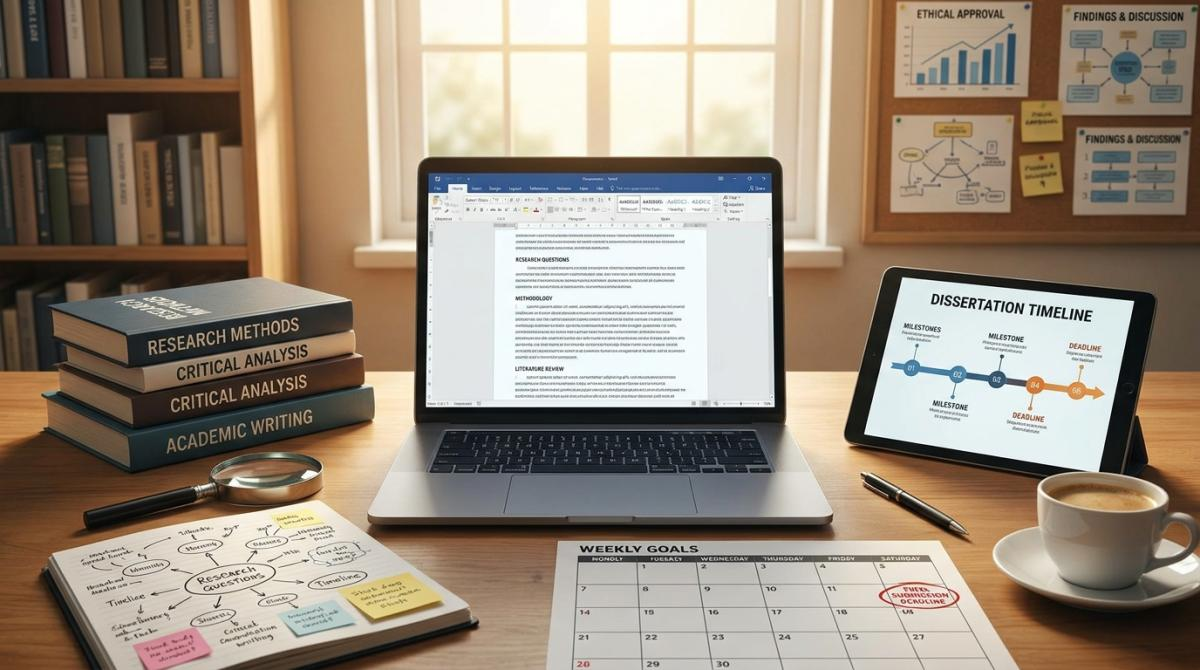
Students who type "pay for my dissertation" into a search engine often find prices that vary wildly, from a few pounds per page to several hundred pounds per session. The difference is rarely random. Academic support is priced according to a handful of clear factors, and once you understand them, you can judge whether a quote is fair, what you are really paying for and whether paid help is necessary at all. This guide breaks down those factors and explains how to spend wisely on legitimate support such as tutoring, editing and research coaching.
First, Be Clear About What You Are Buying
Before looking at price, decide what kind of help you need. Legitimate dissertation support usually falls into one of these categories:
-
Coaching or tutoring on topic selection, methodology or data analysis.
-
Feedback on drafts, focusing on structure, argument and clarity.
-
Proofreading and formatting within your university's rules.
-
Statistics or software training, for example in SPSS, NVivo or R.
Paying someone to write a dissertation that you then submit as your own is a different matter. It breaches university regulations, and the Skills and Post-16 Education Act 2022 made providing such services an offence in England. The pricing factors below apply to support that helps you produce your own work.
Factor 1: Academic Level
Undergraduate, master's and doctoral projects differ in depth, length and expectations. A tutor who can advise on a PhD methodology or a complex systematic review usually has more specialist experience, and their rates reflect that. Expect higher prices as the level rises.
Factor 2: Subject Complexity
Some subjects need specialist knowledge. Support with advanced econometrics, clinical research design or legal analysis typically costs more than general essay-style feedback, because fewer advisers have the required expertise. Subjects involving data analysis often carry an extra cost for software skills.
Factor 3: Length and Scope of Work
A 10,000-word undergraduate dissertation and a 20,000-word master's project involve very different amounts of reading. For editing and proofreading, price is usually linked to word count. For coaching, it is linked to the number of sessions. A clear scope, such as "feedback on my 3,000-word literature review", helps you get an accurate quote.
Factor 4: Turnaround Time
Urgency costs money. A proofread needed within 24 hours usually costs more than one with a week's notice, because the adviser must rearrange other work. Planning ahead is one of the easiest ways to keep costs down.
Factor 5: Type and Depth of Feedback
There is a big difference between light proofreading and developmental feedback. Proofreading corrects surface errors. Developmental feedback looks at argument, structure and use of evidence. Detailed comments take longer, so they cost more, but they are often far more valuable for your grade and your learning.
Factor 6: Qualifications and Experience of the Adviser
Advisers with postgraduate degrees, teaching experience or professional memberships often charge more. In the UK, organisations such as the Chartered Institute of Editing and Proofreading publish guidance on editorial standards, and members of The Tutors' Association agree to a code of conduct. Credentials do not guarantee quality, but they offer some reassurance.
Factor 7: Extras and Add-Ons
Some providers charge separately for formatting, reference checks, plagiarism reports or follow-up revisions. Check what is included before you agree to anything. A low headline price can rise quickly once extras are added.
How to Read a Quote
When you receive a quote, look for these details:
-
A clear description of the service, such as "developmental feedback on Chapter 2, up to 3,000 words".
-
The turnaround time and what happens if it is missed.
-
What is excluded, for example rewriting or adding content.
-
Revision or follow-up terms, if any.
-
Refund conditions and how complaints are handled.
-
Privacy terms, including how long your draft will be stored.
If any of these are missing, ask. A reputable provider will answer clearly and in writing.
Signs That a Price Is Too Good (or Too Bad) to Be True
Very low prices can signal inexperienced advisers, recycled feedback or services that cut corners. Very high prices are not automatically better either. Be wary of:
-
fixed "per dissertation" prices for complete work, which suggest contract cheating;
-
guarantees of specific grades;
-
pressure to pay immediately;
-
no named adviser or no information about qualifications.
Reviews can help, but they are easy to manipulate. Look for detailed, balanced reviews and test a provider with a small task before committing to a larger one.
Free and Low-Cost Alternatives
Before you pay for any support, use what your university already funds through your tuition fees:
-
Your supervisor, who is your main academic guide.
-
Library and academic skills services, which often offer one-to-one appointments.
-
Statistics advice centres in many universities.
-
Online resources such as the Academic Phrasebank and Cite Them Right.
If you have a disability or specific learning difference, you may also qualify for support through the Disabled Students' Allowance.
A Simple Budgeting Example
Imagine a master's student with a £150 budget and a 15,000-word dissertation. Rather than spending it all on a last-minute proofread, they could book one coaching session on their methodology early in the project, then a developmental review of their literature review, and keep a small amount for a final proofread within university rules. This spreads support across the stages where it adds most value. Planning your spending in this way usually produces better learning, a stronger dissertation and fewer expensive emergencies near the deadline.
Getting Value from Paid Support
If you decide that paid help is worthwhile, make it count. Set a specific goal for each session, bring your own drafts and notes, and write a short summary of what you learned afterwards. You can compare how dissertation support services describe their pricing and scope, and look at broader options on the main dissertation help site. Always check your university's policy on external help before you share any work.
Final Thoughts
The cost of dissertation support depends on level, subject, scope, urgency, depth of feedback and the adviser's experience. Understanding these factors helps you compare quotes fairly and avoid both overpaying and under-delivering services. Above all, remember that the best value comes from support that helps you write and understand your own dissertation. If you ever find yourself searching "pay for my dissertation", treat it as a prompt to define your real need first and then choose guidance that strengthens your skills rather than replacing them.




Comments (0)