

Buy Hardware Tools Online in Pakistan | eSupplier.pk
Shop hardware tools online in Pakistan at eSupplier. Find power tools, hand tools, safety gear and industrial equipment, including compressors, for every job.

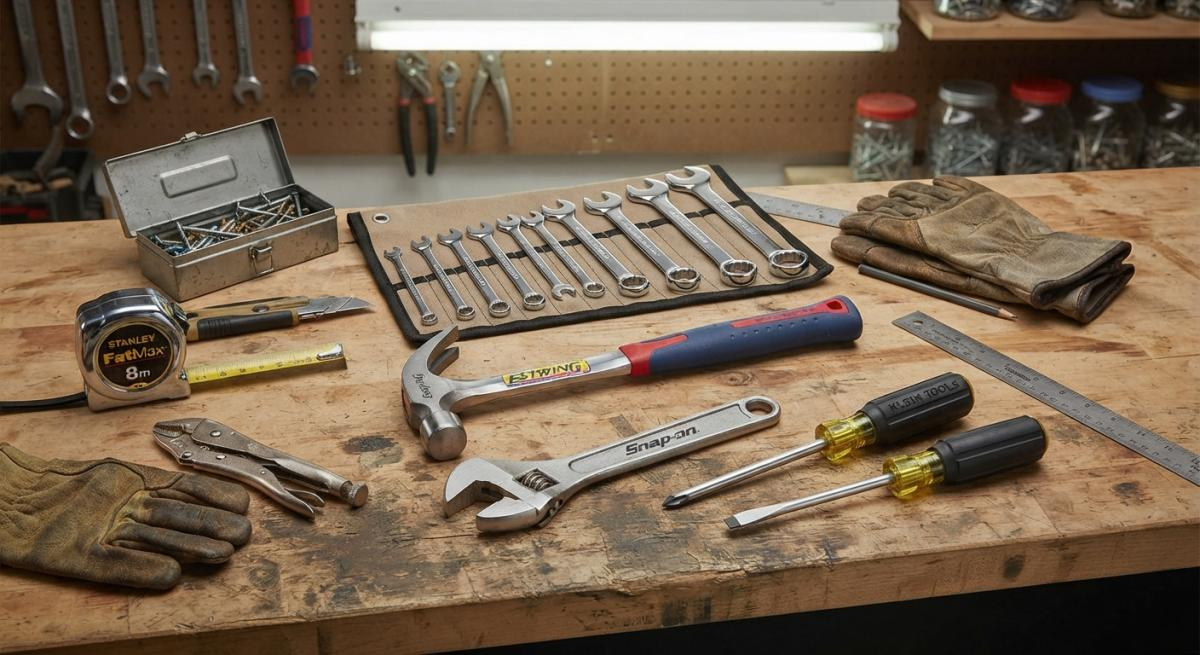
Hardware Tools Online in Pakistan: Your Complete Guide to Quality Tools and Industrial Equipment
Introduction
Finding reliable hardware tools online in Pakistan isn't always as easy as it sounds. Whether you're a construction contractor, engineer, factory owner, workshop manager, electrician, plumber, or someone handling a home improvement project, choosing the right equipment can make a massive difference to your work.
Think about it. A low-quality drill can slow down an installation job. An unsuitable air compressor can interrupt workshop operations. Even a basic spanner set that doesn't fit properly can waste valuable time when you're working against a deadline.
And here's something many buyers overlook: purchasing equipment isn't just about finding the cheapest available option. It's about getting the right specifications, dependable performance, practical features, and value for your money.
That's where eSupplier comes in.
eSupplier.pk is an online supplier of industrial hardware products, tools, and equipment from different brands across Pakistan. Its product range includes power tools, hand tools, safety equipment, light construction machinery, lifting equipment, generators, welding equipment, pipes, fittings, fasteners, and more.
But how do you know which products are worth purchasing? What should you check before ordering a power tool or industrial machine? And how can you avoid spending money on equipment that doesn't suit your requirements?
This guide answers those questions.
We'll explore different equipment categories, explain important product specifications, discuss workplace safety, and show you how to make better purchasing decisions. We'll also look at practical equipment examples available through eSupplier, including its Total Air Compressor 200L.
Whether you're purchasing one tool for a home project or arranging equipment for an entire workshop, you'll find practical information to help you make a better decision.
1. Why Quality Hardware Tools Matter for Pakistani Businesses
Quality hardware tools help businesses complete projects safely, accurately, and efficiently. The right equipment reduces unnecessary interruptions, supports consistent workmanship, and makes daily operations easier to manage.
Pakistan has a wide range of businesses that depend on reliable tools and machinery. Construction companies, manufacturing facilities, automotive workshops, electrical contractors, maintenance teams, and small repair businesses all need equipment suited to their work.
Consider a construction contractor working on a commercial building. The team might require drilling machines, grinders, measuring equipment, cutting tools, safety helmets, welding machines, and lifting equipment.
If even one essential tool stops working, the project can experience delays.
The same applies to an automobile workshop. Mechanics depend on socket sets, impact wrenches, air compressors, spanners, and other equipment to complete repairs efficiently.
The importance of buying the right equipment
There are several reasons why equipment quality matters.
1. Better working efficiency
A suitable tool allows workers to complete tasks without unnecessary effort. A properly selected power drill, for example, can make repetitive drilling jobs much easier.
2. Consistent performance
Reliable equipment is designed to perform according to its specifications. This matters when businesses handle regular workloads.
3. Workplace safety
Poorly maintained or unsuitable equipment can create unnecessary risks. Appropriate safety gear and properly selected machinery help reduce workplace hazards.
4. Better long-term value
A lower purchase price doesn't automatically mean lower overall costs. If an inexpensive tool repeatedly breaks down, replacement and repair expenses can quickly add up.
Different industries have different requirements
A construction company may prioritize heavy-duty drilling and cutting equipment. An electrical contractor might need insulated hand tools, testing equipment, and protective gloves.
A manufacturing business may require compressors, welding equipment, generators, and material-handling solutions.
This is why buyers shouldn't purchase equipment simply because it's popular.
They should start with the actual job requirements.
eSupplier provides access to multiple product categories through one online store, making it easier for buyers to explore equipment for different applications.
2. What Makes a Reliable Online Hardware Supplier?
A reliable hardware supplier should provide clear product information, recognizable brands, understandable specifications, accessible support, and transparent purchasing information.
Buying equipment online can feel different from visiting a physical hardware market. You can't always hold the product, test its weight, or inspect its construction before placing an order.
So what should you look for?
Product specifications
Product specifications explain what a machine or tool can actually do.
For example, when comparing electric drills, check:
-
Input power.
-
Voltage.
-
No-load speed.
-
Chuck capacity.
-
Drilling capacity.
-
Weight.
-
Included accessories.
For an air compressor, the important details include tank capacity, motor power, operating pressure, airflow delivery, and power requirements.
A supplier that provides these details gives customers a better starting point for comparing products.
Brand availability
Established tool brands often provide product specifications and model information that make purchasing decisions easier.
eSupplier features products from brands including Bosch, Total, Dongcheng, WADFOW, BODA, and other suppliers listed on its website.
Brand selection matters because different manufacturers offer different product ranges, performance levels, and intended applications.
Customer support
What happens when you have a question before purchasing?
Can you contact the supplier? Can you ask about a product's specifications or availability?
eSupplier lists customer support through its website, including a telephone and WhatsApp contact option.
The website also provides delivery, payment, privacy, and return-related policy pages. Buyers should review these details before completing an order.
Why eSupplier deserves consideration
eSupplier describes its business as a supplier of industrial hardware products, tools, and equipment from different brands across Pakistan.
Its online store brings multiple equipment categories together, allowing customers to browse products without having to search through completely separate stores.
That's particularly useful for businesses purchasing different types of equipment for one project.
3. Understanding Different Types of Hardware Tools
Hardware tools can generally be divided into hand tools, power tools, safety equipment, construction machinery, and specialized industrial equipment.
Understanding these categories helps buyers select products according to their actual requirements.
Hand tools
Hand tools operate through manual effort rather than an electric motor or engine.
Common examples include:
-
Spanners.
-
Wrenches.
-
Screwdrivers.
-
Pliers.
-
Hammers.
-
Measuring tapes.
-
Socket sets.
-
Cutting tools.
-
Allen keys.
Mechanics, electricians, plumbers, technicians, and construction workers use these tools regularly.
For example, a mechanic might require a socket set for tightening and loosening different fasteners. An electrician may need insulated screwdrivers and pliers designed for electrical work.
eSupplier offers hand tools and accessories, including Total and WADFOW tool sets.
Power tools
Power tools use electricity, batteries, compressed air, or another power source to perform tasks.
Examples include:
-
Electric drills.
-
Angle grinders.
-
Rotary hammers.
-
Impact wrenches.
-
Marble cutters.
-
Sanders.
-
Polishers.
-
Routers.
-
Die grinders.
These products are particularly useful when working with materials that require repeated cutting, drilling, grinding, or fastening.
Construction equipment
Construction equipment supports larger projects involving building work, renovation, installation, and material handling.
Examples include lifting equipment, generators, machinery, and other equipment designed for demanding work environments.
Safety equipment
Safety products help protect workers from workplace hazards.
Common examples include:
-
Safety helmets.
-
Protective gloves.
-
Safety boots.
-
Face shields.
-
Eye protection.
-
Respiratory protection.
-
Hearing protection.
The correct equipment depends on the hazards involved in a particular job.
Industrial equipment
Industrial equipment supports production, maintenance, workshop operations, and manufacturing activities.
Air compressors, welding equipment, generators, and material-handling machinery are examples.
A business should identify its operational requirements before deciding which category to purchase.
4. How to Choose the Right Power Tools
Choosing the right power tool involves checking its power rating, intended application, operating speed, compatibility, build quality, and safety features.
A tool that works perfectly for occasional home repairs may not be suitable for continuous industrial use.
That's why buyers should compare specifications rather than focusing only on product appearance or price.
Check the power rating
Power ratings indicate the electrical input or motor capacity of a tool.
For example, a 710W angle grinder has a different power rating from a 2,200W industrial grinding machine.
However, higher wattage doesn't automatically make a product better.
The correct choice depends on the material, workload, operating conditions, and required performance.
Understand operating speed
Rotations per minute (RPM) indicate how quickly a rotating tool operates.
Different applications require different speeds.
A drill used for one material may need different speed settings from a grinder or polisher.
Always check the manufacturer's operating recommendations.
Consider corded and cordless options
Corded tools provide continuous power while connected to a suitable electrical supply.
Cordless tools offer greater mobility and are useful when working away from convenient power outlets.
However, cordless tools require battery management and charging arrangements.
Check accessories and compatibility
A tool might require specific cutting discs, drill bits, attachments, or accessories.
Before purchasing, confirm that the required accessories are compatible with the machine.
Think about workload
Ask yourself:
-
Will the tool be used occasionally or daily?
-
Will it operate for extended periods?
-
What materials will it handle?
-
Will multiple workers use it?
-
Is portability important?
These questions help narrow down the available options.
eSupplier's power tools category includes products such as angle grinders, drills, marble cutters, impact wrenches, and routers.
5. Why Hand Tools Remain Essential for Professionals
Hand tools remain essential because many repair, installation, assembly, and maintenance jobs require precision and direct manual control.
Even businesses that own expensive machinery still need basic hand tools.
Think about a mechanic replacing a component in a vehicle. An impact wrench might loosen certain fasteners quickly, but a socket wrench and hand tools are still necessary for many other steps.
The same applies to electricians and plumbers.
Essential hand tools for workshops
Spanners and wrenches
These tools help tighten and loosen nuts and bolts.
Screwdrivers
Different screwdriver tips are required for different screw types.
Pliers
Pliers are useful for gripping, bending, cutting, and holding materials.
Socket sets
Socket sets provide multiple socket sizes for different fasteners.
Hammers
Hammers are used in construction, assembly, repair, and workshop tasks.
Measuring tapes
Accurate measurement helps prevent mistakes during cutting, installation, and construction.
Why buying complete tool sets can make sense
A tool set can provide several commonly used tools in one package.
This can be useful for workshops, maintenance teams, and technicians who regularly handle different tasks.
However, don't assume that a larger tool set is automatically better.
Check the included tools, material specifications, sizes, storage arrangements, and intended applications.
eSupplier lists several hand tool sets, including a Total 168-piece hand tools set and different WADFOW tool sets.
A practical approach is to select a set based on the work you'll actually perform.
6. Air Compressors: Choosing Equipment for Workshops and Industry
An air compressor converts electrical or mechanical energy into compressed air that can power suitable pneumatic equipment and support various industrial applications.
Air compressors are used in automotive workshops, manufacturing facilities, maintenance operations, construction environments, and other workplaces.
However, not every compressor is suitable for every application.
Buyers need to understand the machine's specifications before purchasing.
What should you check when buying an air compressor?
1. Tank capacity
Tank capacity indicates how much compressed air the storage tank can hold.
Larger tanks can provide a greater stored air reserve, although the actual suitability depends on air consumption and compressor output.
2. Motor power
Motor power indicates the compressor's rated power.
It should be considered alongside the required pressure and airflow.
3. Operating pressure
Pressure is commonly measured in bar or PSI.
Different pneumatic tools require different operating pressures.
Check the requirements of the equipment you intend to operate.
4. Air delivery
Air delivery is particularly important when a compressor must run pneumatic equipment continuously.
The compressor's actual delivered airflow should be compared with the tool's consumption.
5. Power supply
Check voltage, frequency, and phase requirements before purchasing.
A machine that doesn't match the available electrical supply may require additional electrical arrangements.
A product example from eSupplier
eSupplier lists the Total Air Compressor 200L, model TC1402002.
Its displayed specifications include:
-
Voltage: 220–240V, 50Hz.
-
Phase: Single.
-
Power: 3.0kW (4HP).
-
Tank capacity: 200 litres.
-
Belt-driven system.
-
Two-cylinder compressor.
-
Copper-wire induction motor.
-
Maximum operating pressure: 8 bar.
-
Oil-lubricated pump.
-
Manufacturer-stated 3,000-hour lifetime promise.
These specifications provide a useful example of what buyers should examine when comparing industrial compressors.
The product is listed in eSupplier's power tools and air compressor categories.
You can view the Total Air Compressor 200L to review its current product details.
Who might need a 200L compressor?
A larger tank compressor may be worth considering for workshops and operations that need a greater stored air reserve.
Potential applications include certain pneumatic tools, workshop maintenance, and compatible industrial equipment.
However, tank capacity alone doesn't determine suitability.
Always compare the compressor's actual airflow delivery with the combined air requirements of the equipment you'll operate.
Also consider duty cycle, maintenance needs, electrical supply, ventilation, noise, and installation requirements.
7. Hardware Tools for Construction and Building Projects
Construction projects require different tools at different stages, from initial site preparation to finishing and maintenance.
A contractor may need measuring equipment, cutting machines, drills, grinders, welding equipment, lifting machinery, and protective equipment.
Choosing these tools carefully can make everyday work more manageable.
Foundation and structural work
Construction teams may need measuring tools, cutting equipment, drilling machinery, and lifting solutions.
The correct equipment depends on the building design, material specifications, and site conditions.
Cutting and grinding
Angle grinders and marble cutters are commonly used for suitable cutting and surface-preparation applications.
Before selecting a machine, consider:
-
Material type.
-
Cutting depth.
-
Disc compatibility.
-
Motor power.
-
Operating speed.
-
Safety guard requirements.
Always use accessories approved for the machine and application.
Welding operations
Welding equipment is used for joining metal components in suitable construction and fabrication work.
Buyers should consider the material, thickness, welding process, power requirements, and expected workload.
Appropriate eye, hand, body, and respiratory protection should also be provided.
Lifting and material handling
Moving heavy materials manually can increase workplace risks.
Suitable lifting equipment can help manage materials more safely when selected and operated according to load ratings and manufacturer instructions.
eSupplier includes light construction machinery and lifting equipment among its product categories.
This makes the website relevant to buyers exploring several types of construction-related equipment.
8. Safety Equipment: Protecting Workers and Workplaces
Safety equipment helps protect workers from specific workplace hazards, but the correct selection depends on the task and risk assessment.
A construction site, welding workshop, electrical maintenance area, and manufacturing facility don't necessarily require identical protective equipment.
Essential personal protective equipment
Personal protective equipment (PPE) includes products designed to reduce exposure to workplace hazards.
Common examples include:
Safety helmets
Helmets help protect the head from certain falling or impact hazards when the product is appropriate for the work environment.
Protective gloves
Different gloves are designed for different risks, including cuts, abrasion, chemicals, heat, and mechanical handling.
Safety footwear
Safety boots can provide protection against certain impact, compression, and penetration hazards.
Face shields and eye protection
These products help protect against flying particles, splashes, and other hazards when correctly selected.
Hearing protection
Earplugs and earmuffs can reduce exposure to hazardous noise.
Respiratory protection
Suitable respirators are required for certain dust, fumes, vapours, and airborne contaminants.
Why matching PPE to the task matters
A common mistake is assuming one type of protective equipment works for every job.
For example, general-purpose gloves may not provide sufficient protection for chemical handling or high-temperature work.
Similarly, a face shield may need to be used with suitable safety glasses rather than as a replacement.
Safety products available through eSupplier
eSupplier lists safety equipment and material, including products such as protective gloves, face shields, helmets, and safety footwear.
Buyers should review each product's specifications and intended protective rating before making a decision.
A good safety purchasing process begins with identifying hazards, selecting appropriate protective equipment, training workers, and checking the condition of equipment regularly.
9. How to Buy Hardware Tools Online in Pakistan
Buying hardware equipment online can save time and make product comparisons easier, provided you follow a sensible purchasing process.
The key is to know exactly what you're looking for before placing an order.
Here's a practical approach.
Step 1: Identify the job
Start by defining the work you need the equipment for.
Are you purchasing tools for construction, electrical installation, automotive maintenance, fabrication, manufacturing, or home repairs?
The answer determines which equipment categories you should explore.
Step 2: Set your technical requirements
Write down the specifications that matter.
For example:
-
Required power.
-
Operating voltage.
-
Machine capacity.
-
Maximum pressure.
-
Tool dimensions.
-
Material compatibility.
-
Expected operating frequency.
This prevents you from comparing products that aren't suitable for the same job.
Step 3: Explore product categories
Visit an online supplier and browse the relevant category.
At eSupplier, buyers can explore power tools, hand tools, safety equipment, construction machinery, lifting equipment, generators, welding equipment, and other product categories.
Step 4: Compare product specifications
Don't select a machine simply because it has a lower displayed price.
Compare its technical specifications, brand, accessories, intended application, and maintenance requirements.
Step 5: Review delivery and payment information
Before completing an order, review the supplier's delivery arrangements, payment options, and relevant policies.
If anything is unclear, contact the supplier.
Step 6: Confirm compatibility
For electrical machines, check the power supply.
For compressors, check pressure and airflow requirements.
For cutting equipment, check disc size and material suitability.
For safety equipment, check the applicable protection requirements.
Step 7: Keep purchase records
Save your order confirmation, invoice, product information, and warranty documents where applicable.
These records can be useful if you need support later.
Following these steps makes online purchasing more organized and reduces the chance of ordering unsuitable equipment.
10. Why Product Specifications Matter More Than Price Alone
Product specifications explain whether equipment is suitable for a particular job. Price tells you how much it costs, but specifications tell you what you're actually purchasing.
Let's consider two drilling machines.
One might have a lower price but limited power and fewer operating features. Another may cost more but offer a capacity better suited to your daily workload.
Which one is the better purchase?
It depends on the application.
Compare the important specifications
When buying a power tool, consider:
-
Input power.
-
Operating speed.
-
Tool capacity.
-
Weight.
-
Dimensions.
-
Accessories.
-
Power requirements.
When buying industrial machinery, also consider its operating conditions, duty cycle, service requirements, and installation needs.
Understand the difference between input power and performance
A higher electrical input rating doesn't always mean a machine will perform better in every situation.
Other factors, including motor efficiency, mechanical design, cooling, construction quality, and application requirements, influence actual performance.
Consider the total cost of ownership
The purchase price is only one part of the overall expense.
Businesses should also consider:
-
Electricity consumption.
-
Maintenance requirements.
-
Replacement accessories.
-
Spare parts availability.
-
Expected service life.
-
Downtime costs.
-
Operator training.
For a workshop that uses a machine every day, a product with suitable specifications and dependable support may offer better long-term value than the cheapest available option.
The smartest purchase isn't necessarily the most expensive one.
It's the product that fits the work, budget, and operating requirements.
11. Equipment Requirements for Automotive Workshops
Automotive workshops rely on a combination of hand tools, power tools, diagnostic equipment, lifting equipment, and compressed-air systems.
A well-equipped workshop needs tools that support routine maintenance as well as more demanding repair work.
Essential hand tools
Mechanics commonly use:
-
Combination spanners.
-
Socket sets.
-
Ratchets.
-
Screwdrivers.
-
Pliers.
-
Hammers.
-
Torque wrenches.
These tools support routine maintenance and mechanical repairs.
Power tools
Impact wrenches, grinders, drills, and other power tools can help with suitable repair and workshop tasks.
However, the machine should be selected according to the fastener, material, and application.
Air compressors
Compressed air is used in several automotive workshop applications.
Depending on the tool and setup, a compressor may support pneumatic equipment, cleaning tasks, and other compatible operations.
When selecting one, consider the total airflow requirements of all equipment that may operate at the same time.
Workshop safety
Automotive workshops should also consider:
-
Safety footwear.
-
Protective gloves.
-
Eye protection.
-
Appropriate ventilation.
-
Fire safety equipment.
-
Safe electrical connections.
-
Proper lifting arrangements.
A workshop's equipment should support both productivity and safe working conditions.
eSupplier's range of hand tools, power tools, air compressors, and safety equipment gives workshop buyers several categories to explore.
12. Industrial Equipment for Manufacturing and Maintenance
Manufacturing and maintenance operations often depend on equipment that can support repeated tasks and demanding working conditions.
The right purchasing decision starts with understanding the production process.
For example, a fabrication workshop may require welding equipment, grinders, cutting tools, compressors, and measuring equipment.
A maintenance department may need hand tools, electrical tools, generators, and protective equipment.
Identify production requirements
Before buying equipment, determine:
-
How frequently will the machine operate?
-
What materials will it handle?
-
What output is required?
-
What electrical supply is available?
-
What maintenance is necessary?
-
How much space is available?
Plan for future requirements
Businesses shouldn't purchase equipment based only on their immediate workload if expansion is likely.
However, purchasing oversized machinery without a clear requirement can also increase costs.
A balanced approach considers both present operations and realistic future demand.
Maintenance planning
Industrial equipment requires regular inspection and maintenance according to manufacturer instructions.
This may include lubrication, cleaning, checking electrical connections, inspecting moving parts, and replacing worn accessories.
For oil-lubricated compressors, for example, the specified oil maintenance schedule should be followed.
Proper maintenance supports reliable operation and helps identify problems before they cause major interruptions.
13. How eSupplier Makes Equipment Shopping More Convenient
eSupplier.pk provides an online platform where buyers can explore different hardware and industrial equipment categories from one website.
Rather than browsing unrelated websites for every product type, customers can start with a central product catalogue and compare equipment according to their needs.
Product categories available
The website features categories including:
-
Iron and steel material.
-
Power tools and accessories.
-
Hand tools and accessories.
-
Safety equipment and material.
-
Light construction machinery.
-
Lifting equipment and material.
-
Gardening tools.
-
Cleaning tools and equipment.
-
Pipes, fittings, and valves.
-
Fasteners.
-
Welding equipment.
-
Generators.
This selection covers a broad range of requirements for construction, industrial maintenance, workshops, and general hardware purchasing.
Multiple brands
The website includes brands such as Bosch, Total, Dongcheng, WADFOW, BODA, and others.
Different products serve different purposes, so buyers should compare the actual model specifications rather than relying only on the brand name.
Online product browsing
Customers can search for products, browse categories, view product details, and add available products to their shopping cart.
The website also provides a request-for-quote option.
This can be useful when a buyer needs to discuss a larger purchase or clarify specific requirements.
Customer assistance
eSupplier lists telephone and WhatsApp support, as well as an email contact.
For product-related questions, buyers can use the available contact information before ordering.
The website states that it supplies industrial hardware products and equipment from different brands across Pakistan.
For buyers looking for a convenient starting point, hardware tools and industrial equipment are available to browse through its online store.
14. Common Mistakes to Avoid When Purchasing Industrial Tools
Purchasing unsuitable equipment can lead to wasted money, operational problems, and unnecessary safety risks.
Fortunately, many purchasing mistakes can be avoided by checking a few important details.
Mistake 1: Choosing only by price
A cheaper machine may not have the specifications required for your application.
Compare performance, capacity, construction, and maintenance needs before deciding.
Mistake 2: Ignoring electrical requirements
Always check voltage, frequency, phase, and power requirements.
This is particularly important when purchasing industrial machines and compressors.
Mistake 3: Confusing tank capacity with compressor output
A larger air tank doesn't automatically mean greater continuous airflow.
Buyers should check actual air delivery and compare it with the requirements of their pneumatic equipment.
Mistake 4: Ignoring safety requirements
Never select equipment without considering operator protection.
Check guards, protective accessories, electrical safety, and relevant operating instructions.
Mistake 5: Overlooking accessories
Some tools require compatible discs, blades, drill bits, batteries, hoses, or attachments.
Check whether the necessary accessories are included or need to be purchased separately.
Mistake 6: Failing to check product details
Read the product specifications carefully.
If a critical detail isn't available, contact the supplier before ordering.
Mistake 7: Forgetting maintenance costs
Machines require maintenance, and some need regular replacement parts or consumables.
Consider these costs before making a final purchasing decision.
Mistake 8: Buying equipment that's too large
Oversized machinery can increase purchase, installation, and operating costs.
Select equipment according to actual requirements rather than assuming bigger is always better.
Avoiding these mistakes can make purchasing decisions much more practical.
15. How to Maintain Hardware Tools for Longer Service Life
Regular maintenance helps keep tools in suitable working condition, reduces avoidable wear, and supports safer operation.
Even quality equipment can develop problems when it's exposed to dust, moisture, excessive loads, or poor storage conditions.
Clean tools after use
Remove dust, debris, and material residue according to the manufacturer's cleaning instructions.
Don't allow dirt to accumulate around ventilation openings or moving components.
Inspect cables and electrical connections
Check power cables, plugs, switches, and connections for visible damage.
Damaged electrical equipment should be taken out of service until properly inspected and repaired.
Store equipment correctly
Keep tools in dry, organized storage areas.
Use suitable cases or cabinets where available.
Protect sensitive equipment from moisture and unnecessary impacts.
Maintain moving parts
Follow manufacturer instructions for lubrication and inspection.
Don't apply random lubricants to components that require a specific product.
Maintain air compressors
Oil-lubricated compressors require appropriate oil checks and changes.
Drain moisture from the receiver according to manufacturer instructions, inspect hoses and fittings, and ensure pressure-relief and safety devices work correctly.
Never open or repair a pressurized tank without following proper procedures.
Replace worn accessories
Damaged cutting discs, drill bits, blades, and other accessories should be replaced when necessary.
Using worn or unsuitable accessories can affect both performance and safety.
A simple maintenance routine can make a noticeable difference to equipment reliability.
16. Understanding the Future of Online Hardware Shopping in Pakistan
Online hardware shopping gives businesses and individuals another way to discover equipment, compare specifications, and arrange purchases.
As more customers become comfortable researching products online, detailed product information and convenient support will continue to matter.
Better product discovery
Online product catalogues help buyers explore several equipment categories without visiting multiple stores.
Search functions, product filters, and category pages can make the process easier.
More informed purchasing decisions
Customers can review specifications before contacting a supplier.
This is particularly useful for industrial equipment, where motor power, operating pressure, tank capacity, and electrical requirements can influence suitability.
Greater importance of customer support
Some equipment purchases require technical clarification.
A buyer purchasing a compressor, generator, or lifting machine may need to ask questions before making a decision.
Accessible support can help customers understand the available options.
Mobile shopping
Many customers use smartphones to research products, compare prices, and contact suppliers.
Online stores should therefore provide readable product information, clear images, and a straightforward purchasing process on mobile devices.
Digital purchasing for businesses
Businesses increasingly use online channels to research equipment and prepare purchasing lists.
For larger orders, requesting quotations and discussing requirements with suppliers can be useful.
eSupplier's online catalogue and request-for-quote option provide starting points for these activities.
The key is to combine the convenience of online shopping with careful technical evaluation.
17. How to Choose the Right Equipment Supplier for Your Business
Choosing an equipment supplier should involve more than checking the displayed product price.
Businesses should evaluate product information, communication, purchasing policies, and the supplier's ability to address their requirements.
Here are some practical questions to ask.
Does the supplier provide clear product information?
Product pages should identify the model and provide useful specifications.
This helps buyers compare equipment properly.
Are recognizable brands available?
Brand availability can help customers identify the product range and research manufacturer information.
However, model specifications still need to be checked.
Can you contact the supplier?
Accessible communication is useful when you need to clarify a product detail or discuss an order.
Are purchasing policies available?
Review delivery, payment, returns, refunds, and exchange information before completing a transaction.
Can you request a quotation?
Businesses purchasing multiple products may benefit from discussing their requirements directly with a supplier.
Does the product match your intended application?
This is perhaps the most important question.
A product can be genuine and well-priced but still be unsuitable for your particular task.
eSupplier provides multiple industrial equipment categories, brand options, customer support information, and a request-for-quote facility.
These features give customers several ways to explore its products and discuss purchasing requirements.
Summary: Find the Right Hardware Equipment at eSupplier
Choosing the right equipment can make everyday work easier, safer, and more productive. Whether you're managing a construction project, running an automotive workshop, maintaining industrial machinery, or completing home repairs, the quality and suitability of your tools matter.
Before purchasing, check the specifications, compare available products, consider the intended application, and review maintenance and safety requirements. Don't make your decision based on price alone.
eSupplier.pk brings together a broad range of industrial and hardware products, including power tools, hand tools, construction machinery, lifting equipment, safety products, generators, welding equipment, and more.
Its online catalogue features brands such as Bosch, Total, Dongcheng, WADFOW, and BODA. Buyers can also explore individual products, including the Total Air Compressor 200L, and contact the supplier when they need further information.
Whether you need a basic hand tool set or equipment for a professional workshop, eSupplier provides a convenient place to start your search.
Ready to find equipment for your next project?
Visit https://esupplier.pk/ to explore the available products, compare specifications, and find suitable tools for your requirements.
Choose carefully, work safely, and invest in equipment that supports the job you need to complete.
Frequently Asked Questions (FAQs)
1. Where can I buy hardware tools online in Pakistan?
You can purchase hardware tools online in Pakistan through eSupplier.pk. The website offers different categories, including hand tools, power tools, safety equipment, construction machinery, lifting equipment, generators, and welding products.
Customers can browse product listings, review available specifications, and explore different brands. The website also provides contact details for customers who need assistance.
Before purchasing, identify the equipment you need and compare important specifications such as power, capacity, operating speed, and intended application. For industrial machinery, also check electrical requirements and maintenance needs.
2. What types of hardware tools are available at eSupplier?
eSupplier provides several hardware and industrial equipment categories.
These include hand tools, power tools, safety equipment, iron and steel materials, construction machinery, lifting equipment, gardening tools, cleaning equipment, pipes, fittings, valves, fasteners, welding equipment, and generators.
The website also features products from brands such as Bosch, Total, Dongcheng, WADFOW, and BODA.
Availability and specifications can vary by product. Customers should visit the relevant category or individual product page to review the latest information.
3. How do I choose the right air compressor for my workshop?
Choose an air compressor by comparing its tank capacity, motor power, operating pressure, airflow delivery, electrical requirements, and intended workload.
Start by identifying the pneumatic tools you plan to operate. Check their air consumption and pressure requirements, particularly if several tools may run simultaneously.
A larger tank can provide a greater stored air reserve, but it doesn't automatically provide greater continuous airflow.
You should also consider maintenance requirements, noise, ventilation, and installation space.
The Total Air Compressor 200L listed by eSupplier has a 200-litre tank, 4HP motor, single-phase supply, and maximum operating pressure of 8 bar. Always verify that these specifications suit your application.
4. Are power tools suitable for professional construction work?
Yes. Many power tools are designed for professional construction, installation, repair, and maintenance applications.
However, the right machine depends on the task.
For example, an angle grinder may be suitable for particular grinding and cutting applications, while a rotary hammer is designed for different drilling requirements.
Check the manufacturer's specifications, including power rating, operating speed, capacity, compatible accessories, and safety instructions.
Professional users should also consider expected workload and maintenance requirements before purchasing.
5. Why should I check product specifications before ordering tools?
Product specifications help you determine whether a tool or machine is suitable for the job.
For power tools, check voltage, input power, operating speed, and compatible accessories.
For compressors, check tank capacity, motor power, operating pressure, and actual airflow delivery.
For safety equipment, review the intended protection and applicable product ratings.
Ignoring these details can result in purchasing equipment that doesn't meet your operational requirements.
A few minutes spent comparing specifications can prevent unnecessary purchasing mistakes.
6. Does eSupplier offer industrial equipment across Pakistan?
eSupplier describes itself as a supplier of industrial hardware products, tools, and equipment from different brands across Pakistan.
Its online store provides several categories for construction, manufacturing, workshops, maintenance, and general hardware requirements.
Customers can browse the website, review available products, and use the listed contact information to discuss questions about their purchases.
For delivery availability, payment arrangements, and specific order requirements, check the website's current policies or contact the supplier directly.
7. What safety equipment should construction workers use?
Construction workers should use protective equipment based on the hazards identified at their workplace.
Common examples include safety helmets, protective gloves, safety boots, eye protection, face shields, hearing protection, and suitable respiratory protection.
The correct choice depends on the task.
For example, welding requires suitable eye and face protection, while work involving airborne dust may require an appropriate respirator.
Employers should assess workplace hazards, provide suitable protective equipment, and train workers in its correct use.
8. How can I make my hardware tools last longer?
You can extend the useful service life of hardware tools through regular cleaning, proper storage, routine inspections, and maintenance according to manufacturer instructions.
Keep tools dry and organized. Inspect cables and electrical connections for damage. Replace worn cutting discs and drill bits when necessary.
For compressors, follow the recommended oil maintenance schedule, inspect hoses and fittings, and drain accumulated moisture as instructed.
Avoid overloading machinery or using accessories that aren't compatible with the equipment.
Good maintenance supports safer operation and helps reduce unnecessary replacement costs.

















Comments (0)