

Can Ice Baths Help Reduce Muscle Soreness After Exercise?
Ice baths may help reduce muscle soreness, ease post-workout discomfort, and improve perceived recovery. When combined with proper hydration, nutrition, and rest, cold water therapy can support an effective exercise recovery routine.

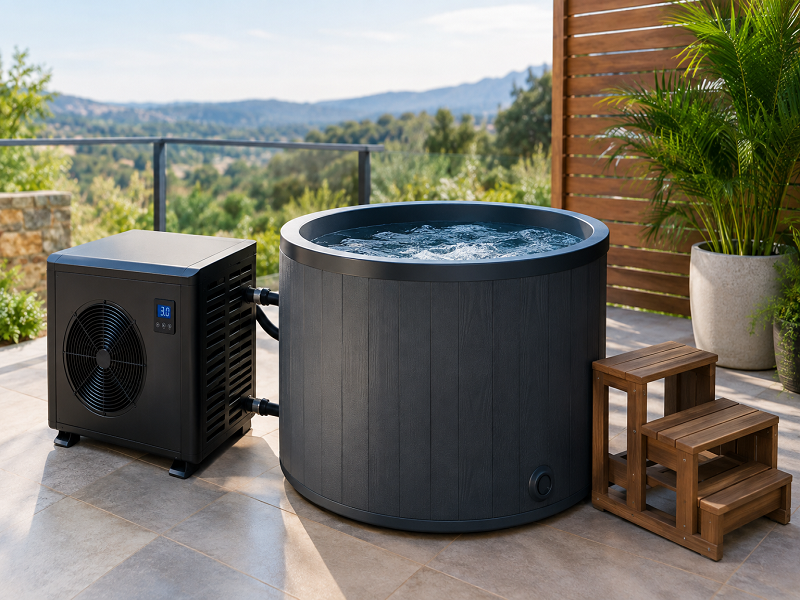
Muscle soreness is a common experience after physical activity, particularly following intense workouts, strength training, running, or other demanding exercises. While exercise helps improve strength, endurance, and overall fitness, it can also cause temporary muscle discomfort and stiffness. Many athletes and fitness enthusiasts use cold water immersion as part of their recovery routine to help manage these symptoms. But can ice baths really help reduce muscle soreness after exercise? Understanding how cold water therapy works can help individuals decide whether it is suitable for their recovery needs.
Understanding Muscle Soreness After Exercise
Muscle soreness often develops after unfamiliar or intense physical activity. It is commonly known as delayed onset muscle soreness (DOMS), which typically begins several hours after exercise and may become more noticeable within 24 to 72 hours.
DOMS is associated with microscopic muscle damage and the body's natural inflammatory response, particularly after eccentric exercises such as lowering weights, running downhill, or performing squats. Symptoms can include muscle tenderness, stiffness, temporary weakness, and discomfort when moving.
Although muscle soreness is generally temporary, it can affect workout performance and make everyday activities uncomfortable. Proper recovery methods can help individuals manage these symptoms and return to their regular exercise routines.
How Ice Baths Help Reduce Muscle Soreness
Ice baths involve immersing the body in cold water for a controlled period. Exposure to cold temperatures causes blood vessels near the skin and muscles to narrow temporarily, reducing local blood flow during immersion.
Cold water immersion may help reduce the perception of muscle soreness and discomfort following strenuous exercise. The cooling effect can also temporarily reduce swelling and provide relief from muscle tenderness.
Another potential benefit is its effect on perceived recovery. Athletes often report feeling less fatigued and more comfortable after cold water immersion, which may help them feel ready for their next training session.
However, ice baths do not completely prevent exercise-related muscle damage or instantly repair muscle tissue. Their primary benefit is helping manage soreness and improving the feeling of recovery.
Benefits of Ice Baths for Post-Workout Recovery
Including cold water immersion in a recovery routine may offer several benefits, particularly for people who participate in demanding physical activities.
Reduced Muscle Discomfort: Cold exposure can temporarily numb the skin and reduce the sensation of soreness, making post-workout discomfort easier to manage.
Improved Perceived Recovery: Many athletes find that cold water immersion helps them feel refreshed and less fatigued after challenging training sessions.
Temporary Swelling Relief: Cold temperatures can influence blood circulation and help manage temporary swelling associated with strenuous physical activity.
Mental Refreshment: Cold water exposure can also provide a refreshing experience that some individuals find beneficial for mental alertness and relaxation.
How to Use Ice Baths Safely
Using ice baths correctly is important to avoid unnecessary discomfort and cold-related risks. Beginners should start with moderately cool water rather than extremely cold temperatures.
A common approach is to use water temperatures around 10–15°C for approximately 5–10 minutes, depending on individual tolerance and professional guidance. However, there is no universally suitable temperature or duration for everyone.
It is important to monitor how the body responds during immersion. Anyone experiencing numbness, dizziness, excessive shivering, or unusual discomfort should leave the bath immediately.
People with cardiovascular conditions, circulation problems, or other relevant health concerns should consult a healthcare professional before trying cold water immersion.
Additionally, ice baths may not be ideal immediately after every strength-training session because frequent cold immersion could potentially interfere with some muscle-building adaptations.
Other Recovery Methods to Support Muscle Health
Ice baths work best as part of a balanced recovery routine rather than a replacement for essential recovery practices. Adequate sleep, proper hydration, balanced nutrition, and sufficient rest between workouts all contribute to muscle recovery.
Gentle stretching, walking, and low-intensity activities can also help maintain mobility while muscles recover. Combining these practices with an appropriate recovery strategy can support long-term fitness and exercise performance.
Conclusion
Ice baths can be a useful recovery option for reducing perceived muscle soreness and improving post-workout comfort. Although they do not eliminate muscle damage or replace proper rest, cold water immersion may help athletes manage discomfort after demanding exercise. Choosing a convenient portable ice bath can make cold water therapy easier to incorporate into a regular recovery routine, helping fitness enthusiasts maintain consistency while supporting their overall wellness and exercise goals.
















Comments (0)