

Why Cat Dental Cleaning NYC Is Essential for Your Cat’s Long-Term Oral Health
Learn why professional cat dental cleaning matters, what happens during the procedure, how often cats need it, and how to care for your cat’s teeth at home.

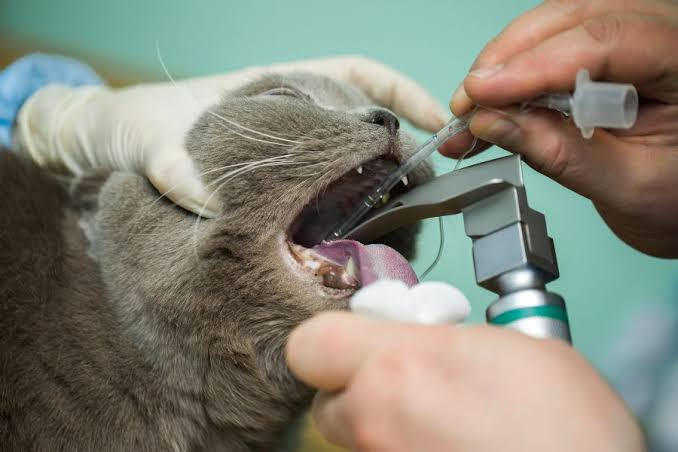
Cats rarely show mouth pain in obvious ways, which is why cat dental cleaning NYC owners schedule early and regularly can make such a difference. Bad breath and a picky appetite are easy to dismiss. They can also point to dental disease that is quietly getting worse. This guide explains what dental problems look like in cats and what happens during a professional cleaning. It also covers how often cats need one and how to care for their teeth at home.
The Quick Answer
A professional cleaning lets the veterinarian examine the whole mouth and take radiographs and clean below the gum line. That work requires anesthesia because treatment without it may make teeth look better without treating plaque below the gum line. The clinic says most adult dogs and cats benefit from annual cleanings.
Cleanings work best alongside home care. Brushing and a few well chosen products slow plaque between visits. The sections below explain each step and what to ask your veterinary team.
Why Cats Hide Dental Pain
Many cats do not show dental disease in ways their owners can detect. Cats often mask oral discomfort or pain. That is why a problem can go unnoticed for months.
Dental disease is also common. More than half of all cats over the age of three have some form of dental disease. Oral pain may even account for some cats’ finicky appetites. A cat that eats less or prefers soft food may be telling you something about her mouth.
What Dental Disease Looks Like in Cats
Gingivitis and Periodontal Disease
Plaque is a film of bacteria that builds on the teeth. Without daily brushing it mineralizes within about 36 to 48 hours and forms hard tartar. Tartar irritates the gums and causes gingivitis. Gingivitis can be reversed with plaque control and consistent home care but periodontitis is essentially irreversible and progressive. Catching gum problems early gives your cat the best chance of avoiding permanent damage.
Tooth Resorption
Tooth resorption is the slow destruction of the tooth crown and root. It is hard to spot from the outside. Once sensitive parts of the tooth are exposed the lesions become intensely painful and extraction is the effective and humane treatment.
Signs to Watch For at Home
The clinic lists bad breath and drooling and dropping food and pawing at the mouth and swollen gums and visible tartar as warning signs. Some cats refuse dry food or swallow it whole and some lose weight because they are reluctant to eat. Any of these is a reason to book an exam.
What Happens During a Professional Cleaning
Before the Procedure
Your veterinarian will want to check your cat’s overall health first. The clinic says its preanesthetic screening confirms organ function before surgical procedures or sedated diagnostics. Follow the fasting instructions your team gives you.
Owners often search for pet vaccinations near me when they book a checkup. That visit is also a good time to raise dental questions. The clinic says it follows current AAHA and AAFP guidelines and customizes vaccine protocols to lifestyle and risk.
Anesthesia and Monitoring
The clinic says dental procedures are performed under general anesthesia with full monitoring. A cat’s heart rate and breathing are watched throughout and pain control continues afterward.
Radiographs, Scaling and Extractions
Digital dental radiographs show problems below the gum line. Ultrasonic scaling removes plaque and calculus from visible and below gum surfaces. Teeth are extracted when they are too damaged to save responsibly. Many cats need at least one extraction when disease has advanced.
Recovery
Most cats go home the same day and return to their usual selves within a day or two. The mouth may be a little sore so soft meals can help. Plaque starts to return quickly. It can begin forming in as little as six hours after a cleaning.
How Often Cats Need Cleanings
The right schedule depends on age and tooth structure and past disease. The clinic says small breeds or pets with crowded teeth may need cleanings sooner than once a year. Veterinary guidance also suggests oral exams every six to twelve months depending on a cat’s age for early detection.
Planning cat dental cleaning NYC visits around a yearly wellness exam keeps the schedule simple. Your veterinarian can adjust the timing if your cat has a history of gum disease.
Why Anesthesia Is Part of the Procedure
Owners sometimes ask about cleaning without anesthesia. AAHA guidelines call anesthesia free dentistry not acceptable because of safety and efficacy and ethical concerns. When a pet is awake only tartar above the gum line can be removed. The Feline Veterinary Medical Association also opposes anesthesia free dentistry.
Anesthesia carries some risk and that is why screening matters. Veterinarians take specific precautions to minimize risk. Ask your team how they assess and monitor older cats.
Home Dental Care Between Visits
Brushing
Daily brushing is considered the gold standard for cat dental care. Start slowly and use pet toothpaste. Pet friendly toothpastes can have a pleasant taste that makes the routine easier. The clinic teaches brushing techniques and provides personalized home dental care plans.
Other Products
Not every cat tolerates brushing. Dental treats and water additives and wipes and dental diets can help. The Veterinary Oral Health Council lists products it has accepted. Treats work best as a supplement to brushing and not a replacement.
Routine Care for the Rest of the Household
Dental care is one part of routine maintenance. The clinic lists ear cleaning among its services for pets. Owners who also need dog ear cleaning NYC visits for a dog at home can ask the team about scheduling.
Common Mistakes
The first mistake is waiting until breath or appetite changes become obvious. The second is assuming a tartar scraping without anesthesia is the same as a professional cleaning. The third is skipping preanesthetic screening to save time. The fourth is stopping home care after the cleaning. The fifth is ignoring a cat that eats less or drops food.
Another common mistake is treating dental care as optional. Mouth pain affects appetite and comfort. Early care keeps the problem smaller.
Questions to Ask Before Scheduling
Ask what screening your cat will have before anesthesia. Find out whether dental radiographs are included. Confirm what happens if a tooth needs extraction and how you will be contacted. Learn how pain is managed during and after the procedure. Check what food and activity to expect at home. Request a written estimate and a home care plan.
Working With a Local Veterinary Team
A local clinic can examine your cat’s mouth and explain each step. For a veterinarian Midtown Manhattan owners can visit in person, the team at Midtown Animal Hospital sees dogs and cats at 256 East 33rd Street. The clinic lists comprehensive oral exams and digital dental radiographs among its dental services.
Bring notes on appetite and breath and any changes you have seen. You can call (212) 683-0309 to schedule an appointment.
Final Thoughts
Dental disease is common in cats and often hidden. Professional cleaning under anesthesia lets the veterinarian see and treat what home checks cannot. Regular exams and daily home care protect the results. Match the schedule to your cat and keep up the routine between visits. This article gives general information and does not replace a veterinary exam.
Frequently Asked Questions
Q: Does my cat really need anesthesia for a dental cleaning?
A: Yes. Anesthesia allows a full oral exam and cleaning below the gum line and dental radiographs. Cleaning an awake cat only addresses tartar above the gum line.
Q: How do I know if my cat has dental pain?
A: Watch for bad breath and drooling and dropping food and pawing at the mouth. Some cats show no obvious signs so regular exams matter.
Q: Will my cat need teeth pulled?
A: Possibly. Teeth that are too damaged to save are extracted. Your veterinarian will explain what radiographs show.
Q: How long does recovery take?
A: Most cats go home the same day and return to normal within a day or two. Call your veterinarian if your cat refuses food or seems unusually sore.
Q: Can my cat travel soon after a dental procedure?
A: Ask your veterinarian before booking anything. Air travel or travel across state lines requires a health certificate. For a pet health certificate Manhattan travelers obtain through the clinic, the team is USDA accredited and domestic certificates are usually issued within ten days of departure. Schedule dental care with enough time to recover before your trip.
















Comments (0)