

From Pipeline Design to Performance: Why Ball Valve Quality Matters

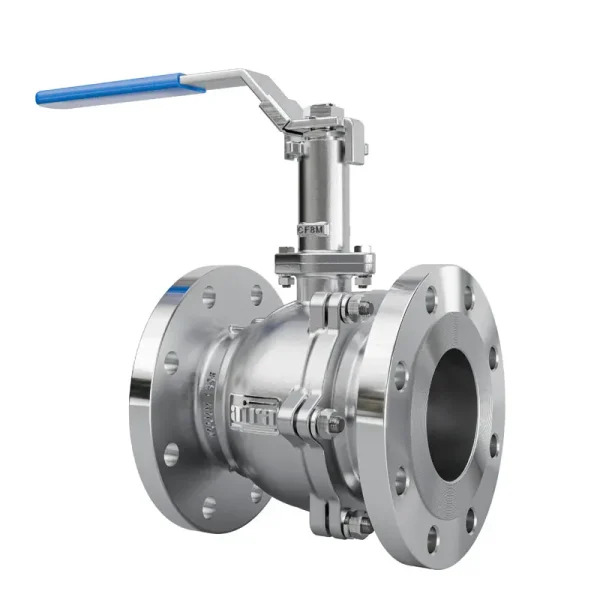
Industrial pipeline systems depend on reliable components to control the movement of liquids and gases. Among these components, ball valves play an important role because of their quarter-turn operation, practical design, and effective shut-off capabilities. However, the performance of a ball valve depends on more than its basic mechanism. Material quality, manufacturing precision, sealing arrangements, and proper selection all influence its reliability.
Choosing a dependable ball valve supplier in India is an important consideration for industries that require consistent flow control. Understanding valve construction and quality standards helps businesses make informed purchasing decisions and select products suitable for their operating conditions.
Why Ball Valve Quality Matters
Ball valves are commonly used in industrial pipelines to start or stop fluid flow. A properly selected valve can provide reliable shut-off and convenient operation.
Poor-quality components, unsuitable materials, or inaccurate manufacturing can lead to leakage, difficult operation, premature wear, and maintenance problems. Quality inspection and appropriate material selection help reduce these risks and support dependable pipeline performance.
Understanding Ball Valve Construction
A typical ball valve consists of several important components that work together:
-
Valve Body: Provides the main pressure-containing structure.
-
Ball: Contains a central opening that controls the flow path.
-
Seats: Create sealing contact around the ball.
-
Stem: Connects the ball to the operating mechanism.
-
Handle or Actuator: Rotates the ball to open or close the valve.
Each component requires suitable design and manufacturing precision to ensure smooth operation and proper assembly.
Selecting the Right Material
Material selection is one of the most important factors affecting valve performance. The appropriate material depends on the fluid, operating pressure, temperature, and surrounding environment.
Common materials include stainless steel, carbon steel, brass, and selected plastic materials.
Stainless steel is often selected for applications requiring corrosion resistance. Carbon steel is used in many industrial services where its mechanical properties are suitable. Brass is common in certain general-purpose applications, while PVC and other compatible plastics are used in selected water and chemical-handling systems.
The material should always be evaluated against the actual process conditions rather than selected on price alone.
The Importance of Sealing Performance
Sealing elements help prevent unwanted leakage when a ball valve is closed. Seats are positioned around the ball and provide the contact surfaces required for shut-off.
PTFE and other engineered polymer materials are commonly used for valve seats. Their suitability depends on temperature, chemical compatibility, pressure, and application requirements.
Incorrect seat selection can result in excessive wear, leakage, or operating difficulties. Proper sealing design and suitable inspection are therefore essential for reliable performance.
Understanding Different Ball Valve Designs
Ball valves are available in different designs to meet various industrial requirements.
Floating Ball Valves: The ball moves slightly under pressure and presses against the downstream seat to create a seal.
Trunnion-Mounted Ball Valves: The ball is mechanically supported, making this arrangement suitable for many larger and higher-pressure applications.
Three-Way Ball Valves: These valves help divert or combine flow through multiple pipeline connections.
Three-Piece Ball Valves: Their construction allows convenient access to internal components in suitable designs.
Selecting the correct design depends on pipeline configuration, pressure requirements, fluid characteristics, and maintenance considerations.
Pressure Testing and Quality Inspection
Quality assurance is important before a ball valve is installed in an industrial system. Appropriate pressure and leakage testing help verify that the valve meets its specified performance requirements.
Inspection may include checking body integrity, dimensional accuracy, sealing surfaces, assembly, and operating movement.
Businesses should review relevant product specifications and testing documentation before selecting valves for critical applications.
Choosing the Right Valve Partner
Selecting a valve partner involves evaluating product range, technical knowledge, material options, quality procedures, and after-sales support. Businesses should also confirm that the selected valve meets the required pressure class, connection type, and operating conditions.
Aira Euro Automation Pvt Ltd is a name businesses can explore when considering industrial valve and automation requirements.
A careful selection process helps industries choose products that match their pipeline requirements and maintenance expectations.
Conclusion
Ball valve quality directly influences pipeline reliability, sealing performance, and long-term operating efficiency. From material selection and internal construction to pressure testing and maintenance, every aspect contributes to dependable valve operation.
By understanding these factors and selecting products according to actual process conditions, industries can improve flow control decisions and support reliable pipeline performance.
















Comments (0)