

Dog Skin Rash Medication and How Veterinarians Choose the Right Treatment
The right dog skin rash medication depends on the cause. Learn how veterinarians diagnose rashes and choose shampoos, antibiotics and itch relief for dogs.

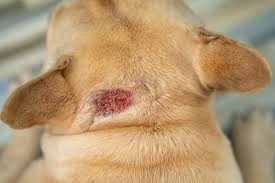
The right dog skin rash medication depends on what is causing the rash, not just how it looks. Two dogs can have red and bumpy skin for completely different reasons, and a medicine that clears one rash can make another worse. That's why veterinarians start with questions and tests before they reach for a prescription.
This article explains how veterinarians work out the cause of a rash and how they match treatment to it. It covers the main types of medicine, including medicated shampoos, antibiotics, antifungals and itch control drugs, along with the safety points owners often overlook. The goal is to help you understand the plan your veterinarian suggests and ask useful questions.
Why a Rash Needs a Diagnosis Before Treatment
Many skin diseases look alike, and a definitive diagnosis comes from including or excluding possible causes and from watching how the skin responds to treatment. A red patch with scabs could come from fleas, an allergy, a bacterial infection, yeast, a fungal problem or a hormone disorder. Each of these needs a different approach.
Guessing at home can cause real problems. A steroid cream may calm redness while an infection spreads underneath. A leftover antibiotic can help a little and leave resistant bacteria behind. Waiting also lets an itchy dog scratch and chew until the skin breaks down, which creates a second problem on top of the first. An exam gives you a plan that fits your dog instead of a hopeful experiment.
Common Causes of Rashes in Dogs
Allergies are among the most frequent causes. Dogs can react to fleas, pollen, dust mites and certain foods, and the result is often itching, redness and hair loss. Parasites such as fleas and mites can cause intense itching on their own. Bacterial and yeast infections often follow because scratching damages the skin and lets germs take hold.
Hormone problems can also show up on the skin. Conditions such as an underactive thyroid or an overactive adrenal gland may cause thin coat, darkened skin and repeat infections. Kainer's dermatology page lists allergies, infections, parasites and hormonal disorders among the conditions it treats, and it names symptoms such as itching, redness, scabs, lumps and hair loss. Contact reactions to shampoos, plants or cleaning products round out the list.
Where the Rash Appears Matters
The location of a rash gives clues. Rashes on the belly and groin are common because the skin there is thin and has less hair, so it picks up allergens and moisture easily. Itchy paws and ears often point toward allergies or yeast. Skin folds on the face or tail tend to trap moisture, and that sets the stage for infection. A rash along the back near the tail base often suggests fleas.
Belly rashes call for one extra question. If your dog recently had pet abdominal surgery, the skin near the incision can look red for ordinary healing reasons, and clipped fur, tape, cone rubbing and licking can add irritation. Your veterinarian can tell normal healing from infection or a new skin problem, so show them the area instead of treating it yourself. Photos taken each day in the same light help them see the trend.
How Veterinarians Investigate a Rash
The first step is a detailed history. Your veterinarian will ask when the rash began, whether it changes with the seasons, what your dog eats and which flea and tick products you use. They'll want to know about other pets, recent grooming, new cleaning products and any medicines already tried. These details often narrow the list before any test is done.
A full physical exam follows because skin disease can be linked to problems elsewhere in the body. Common tests include skin scrapings to look for mites, tape or slide samples to look for bacteria and yeast under a microscope, and sometimes a culture. Skin scrapings are part of the basic database for all skin diseases. Kainer's dermatology page lists skin scrapings, biopsies, allergy testing and bloodwork among its diagnostics. If you're searching for a vet in Woodlands for a rash that keeps returning, ask which tests the team recommends and how they'll use the results to pick treatment.
Mild Irritation Versus a True Rash
Not every red spot needs strong medicine. A patch of mild irritation from a new shampoo, a bug bite or a day in tall grass may settle with gentle cleaning and time. Good dog skin irritation treatment starts with finding the trigger and removing it. Kainer's pet allergy page lists excessive scratching, hair loss and inflamed skin among the signs of allergy and notes that untreated allergies can worsen.
The line between irritation and a true rash can be hard to see. Signs that point toward a rash needing a veterinarian include open sores, a bad smell, spreading redness, hair loss, constant licking and any change that lasts more than a few days. Dogs that seem unwell, lose their appetite or have fever along with skin changes should be seen promptly.
Medicated Shampoos and Topical Treatments
Topical products treat the skin directly, so they're often the first choice for localized problems. Medicated shampoos can contain ingredients that fight bacteria or yeast, soothe itching or loosen scale. Sprays, wipes, creams and mousse products are used for smaller areas or between baths. Topical steroids are sometimes used in short courses on a limited area, and the updated canine atopic dermatitis guidelines give topical glucocorticoids a strong recommendation for flares.
Technique matters as much as the product. Many shampoos need to sit on the skin for several minutes before rinsing, and a quick lather won't do the job. Follow the schedule exactly, since a bath every few days at first and a slower schedule later is common. Over bathing with the wrong product can dry the skin, so ask how long to continue and when to stop.
Antibiotics and Antifungal Medicines
When a swab or slide shows bacteria, your veterinarian may prescribe an antibiotic. Veterinary guidelines for superficial skin infections encourage topical treatment when possible and reserve oral antibiotics for deeper or widespread infections. If bacteria prove resistant or an infection keeps coming back, a culture can show which medicines will work.
Yeast and fungal infections need antifungal medicines, either as shampoos and wipes or as tablets for more serious cases. Kainer's dermatology page lists antifungal therapies and medicated baths among its treatments. Always finish a prescribed course, even if the skin looks better in a few days, because stopping early is one of the main reasons infections return. Never save leftover pills for the next rash.
Medicines That Control Itch
Itch is a medical problem, not just an annoyance, because scratching damages skin and invites infection. Several drug classes can bring itch under control, and veterinarians choose among them based on the cause, the dog's age and health, and how fast relief is needed. Rapid acting, broad spectrum drugs, particularly glucocorticoids, are recommended for reactive treatment of atopic dermatitis. They can cause thirst, hunger and other side effects, so the dose and length of treatment get careful attention.
Newer options target specific parts of the itch pathway. Janus kinase inhibitors such as oclacitinib block signals that trigger itching and inflammation, and lokivetmab is an injectable antibody that targets a key itch signal. Cyclosporine calms the immune response over a longer period. A recent veterinary dermatology review notes that atopic dermatitis is not curable and requires lifelong management, and that several newer allergy therapies have been approved. Antihistamines help some dogs mildly, but they're not strong enough for many.
Parasite Control and Allergy Management
Parasite control is part of almost every rash plan. A dog allergic to fleas can break out from a single bite, so year round flea prevention is often the most effective step. Kainer's dermatology page lists parasite control among its treatments. If mites are found, a specific medicine is prescribed, and other pets in the home may need treatment too.
For dogs with environmental or food allergies, longer term plans may include a food trial, allergy testing and allergen specific immunotherapy. A food trial means feeding a strictly limited diet for several weeks without treats or flavored medicines, which takes patience but gives clear answers. Allergy testing can help identify triggers for immunotherapy. Your veterinarian will explain what each step involves and how long to expect before you see improvement.
Safety, Side Effects and What to Tell Your Veterinarian
Tell your veterinarian every medicine, supplement and topical product your dog receives, including flea products and anything bought over the counter. Some medicines shouldn't be combined, and some affect lab results. If your dog has other health problems such as diabetes, a history of seizures or liver disease, say so before any new drug is started.
Medication history matters for planned procedures too. Steroids and other immune medicines can slow healing, so your veterinarian wants to know about them before any pet abdominal surgery. Ask what side effects to watch for and when to call. Bring the product names or photos of the labels, and don't stop long term medicine suddenly unless you're told to.
Home Care While You Wait for an Appointment
You can keep your dog comfortable without giving medicine. Stop your dog from licking or chewing with a cone or a soft recovery collar. Rinse mild dirt away with plain lukewarm water, pat the area dry and keep your dog out of tall grass and chemicals. Wash bedding in fragrance free detergent.
Avoid human creams, hydrogen peroxide, alcohol and essential oils because they can irritate skin or be toxic if swallowed. Don't give human medicines such as ibuprofen or acetaminophen, and ask your veterinarian before using any human antihistamine or steroid. Dosing for dogs differs, and some products contain ingredients that are dangerous.
Kainer Veterinary Hospital at a Glance
Kainer Veterinary Hospital has cared for dogs and cats in The Woodlands and surrounding communities since 2005. The hospital is certified by the American Animal Hospital Association and serves Conroe, Magnolia, Montgomery, Spring and Oak Ridge. If you're still deciding on a vet in Woodlands for a skin problem, the team can review your dog's history and talk through testing and treatment options.
The dermatology page describes medicated baths, targeted medications, soothing therapies and personalized skin care plans. Visits are by appointment Monday through Friday, and the hospital is closed on weekends. Contact the team to describe your dog's rash and to set up an exam.
Final Thoughts
The best dog skin rash medication is the one matched to the cause, and finding the cause takes a history, an exam and often a few simple tests. Shampoos, antibiotics, antifungals, itch drugs and parasite control each have a role, and many dogs need more than one. Chronic allergic skin disease is usually managed rather than cured, so expect adjustments over time.
If your dog has a new or worsening rash, take photos, write down what changed and call your veterinarian before trying anything at home. Contact Kainer Veterinary Hospital to schedule an appointment and bring a list of every product and medicine your dog uses. A clear plan helps your dog feel better sooner and lowers the chance of the rash coming back.
FAQs
Q: Can I give my dog human allergy medicine for a rash?
A: Only if your veterinarian says so and gives the exact dose. Some human products contain ingredients that are unsafe for dogs, and the wrong dose can cause harm. A rash also needs a diagnosis, because the cause decides the treatment.
Q: What is the difference between rash medication and dog skin irritation treatment?
A: Rash medication targets a diagnosed cause such as infection, allergy or parasites. Irritation care is often gentler and focuses on removing a trigger and calming mild redness. If irritation lasts more than a few days, your veterinarian should check it.
Q: How long does it take for skin medication to work?
A: It depends on the medicine and the cause. Itch drugs may help within a day or two, while infections often need weeks of treatment. Follow the full course and attend rechecks even when the skin looks better.
Q: Why does my dog's rash keep coming back?
A: Recurring rashes often have an underlying cause such as allergies, parasites or a hormone problem. Treating only the visible rash won't fix that. Your veterinarian may suggest allergy testing, a food trial or bloodwork to find the source.
Q: Are medicated shampoos enough to treat a rash?
A: Sometimes, especially for mild bacterial or yeast problems on small areas. Deeper infections, allergies and widespread rashes often need other medicine too. Your veterinarian will decide based on what is found during the exam and tests.
















Comments (0)