

Explore Advanced Textile Shredder Solutions by Ecostan
Learn how a Textile Shredder helps reduce fabric waste, simplify material handling, and improve industrial recycling processes through efficient dual-shaft shredding technology.
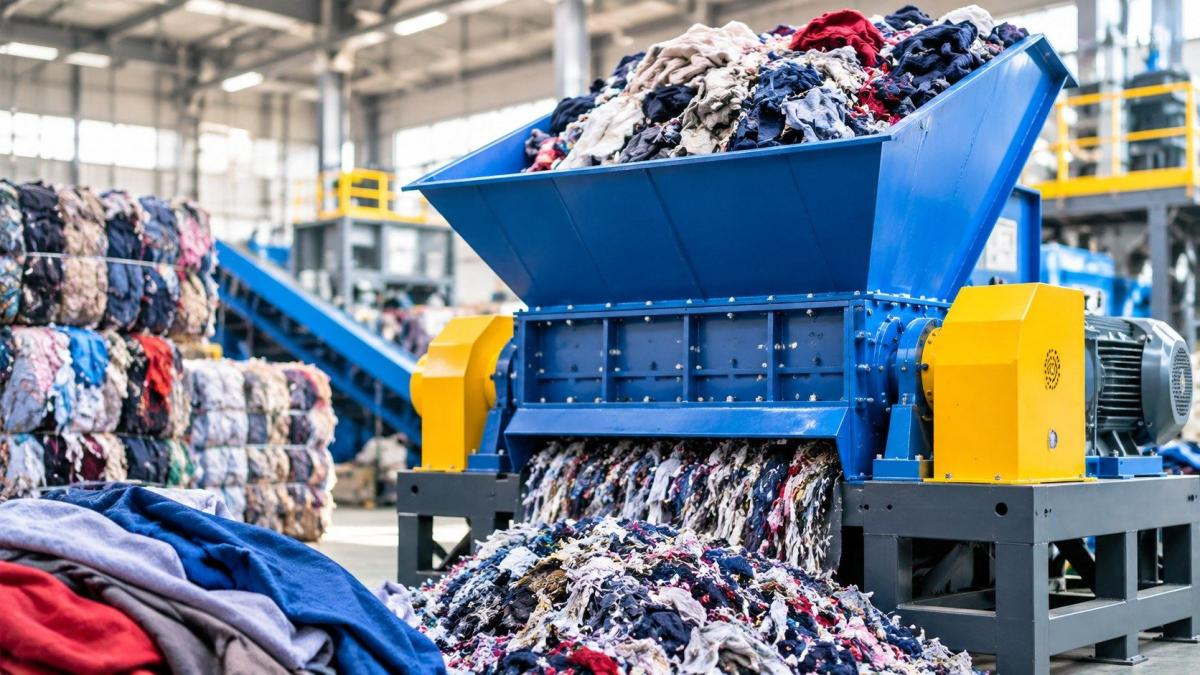
Textile waste is a growing challenge for garment manufacturers, fabric processing units, recycling facilities, and industrial businesses. Leftover fabrics, rejected garments, cutting scraps, and other textile materials can occupy valuable storage space and create waste-handling difficulties when not managed properly.
Modern shredding technology offers an effective way to reduce textile waste into smaller, manageable pieces for further processing and recycling. Explore advanced Textile Shredder solutions to improve material handling, streamline waste management, and support efficient industrial waste-processing operations.
For companies looking for reliable industrial shredding equipment, Ecostan Machineries offers advanced Dual Shaft Shredder solutions designed for a wide range of waste-processing applications.
Why Do Businesses Need a Textile Shredder?
Textile manufacturing and garment production generate different types of waste, including fabric offcuts, rejected materials, damaged clothing, and unwanted textile products.
Handling these materials manually can be time-consuming, particularly when businesses deal with large volumes. A suitable industrial shredder helps reduce bulky materials into smaller pieces, making them easier to handle and prepare for subsequent processing.
Some important benefits include:
-
Reduced Material Size: Converts suitable bulky textile waste into smaller pieces.
-
Improved Handling: Makes shredded materials easier to collect, transfer, and manage.
-
Better Waste Organization: Helps businesses establish a more structured waste-processing system.
-
Recycling Preparation: Prepares suitable textile materials for further recycling or recovery processes.
-
Industrial Efficiency: Supports mechanical size reduction in facilities handling regular waste volumes.
How Does a Dual Shaft Textile Shredder Work?
A dual shaft shredding system uses two rotating shafts equipped with multiple cutting blades to process incoming materials.
As textile waste enters the feeding chamber, the rotating blades engage with the material and reduce it into smaller pieces. The resulting output is discharged for collection or further processing.
The cutting configuration, blade arrangement, and operating settings influence the final output size. These factors should be selected according to the material type and intended application.
For businesses processing different waste materials, a dual shaft system can offer a practical solution for primary size reduction, provided the feedstock is compatible with the machine.
What Makes Ecostan Machineries' Shredding Solutions Worth Exploring?
When selecting industrial shredding equipment, businesses should consider machine construction, operational features, processing capacity, and maintenance requirements.
Ecostan Machineries offers Dual Shaft Shredders designed for heavy-duty waste-processing applications.
Here are some notable features:
1. Dual Shaft Cutting Technology
The machine uses two shafts with multiple shredding blades and spacers to process different suitable waste materials.
2. Automatic Control System
The programmed control panel supports automatic machine operation and helps manage the shredding process.
3. Auto Reverse and Forward Function
The automatic reverse and forward mechanism helps manage overfeeding and temporary material blockages during operation.
4. Cleaning Fingers
Integrated cleaning fingers help remove material from the blades, supporting smoother operation and consistent cutting performance.
5. Optional Conveyor Systems
In-feed and outlet conveyors are available as optional equipment to support material movement and simplify the feeding and discharge process.
Explore Different Dual Shaft Shredder Capacity Options
Choosing suitable equipment depends on the quantity and characteristics of the material being processed. Ecostan offers different shredder models for varying operational requirements.
The published production capacities include:
-
DSS 50: Up to 1–2 TPH.
-
DSS 80: Up to 2–3 TPH.
-
DSS 120: Up to 3–5 TPH.
-
DSS 200: Up to 7–10 TPH.
Actual output depends on feedstock density and material size. Textile-specific performance should be confirmed according to the fabric type, composition, feeding arrangement, and required output.
Where Can Shredded Textile Materials Be Used?
Shredding is generally an initial size-reduction stage rather than a complete recycling process. Depending on the textile composition and quality, the processed material may be directed towards different applications.
These can include:
-
Mechanical textile recycling and fiber recovery.
-
Preparation for further material separation.
-
Reprocessing into suitable industrial products.
-
Waste volume management and authorized disposal.
-
Alternative material recovery applications.
Sorting textile waste before shredding is important, particularly when materials contain mixed fibers, metal accessories, zippers, buttons, or other contaminants. The intended recycling method should determine the required output size and processing configuration.
Choose the Best Textile Shredder for Your Business
Selecting the right machinery requires more than comparing production capacities. Businesses should evaluate the type of fabric waste, expected daily throughput, desired output size, power requirements, and downstream processing needs.
It is also important to confirm whether the machine can handle the specific textile materials involved. Conducting a material assessment or processing trial can help establish equipment suitability before investment.
Explore Advanced Textile Shredder Solutions by Ecostan and find out how Ecostan Machineries' Dual Shaft Shredders can support your industrial waste-processing requirements.
Looking for suitable industrial shredding machinery? Contact Ecostan Machineries to discuss your material type, production capacity, and processing requirements.
Take the next step towards smarter industrial waste management with the right shredding solution.
Ecostan Machineries is a leading manufacturer of biomass machinery, offering advanced briquetting, shredding, drying, and waste processing solutions for sustainable fuel production.















Comments (0)