

UV Protection Built Into the Weave of a Button-Up Shirt
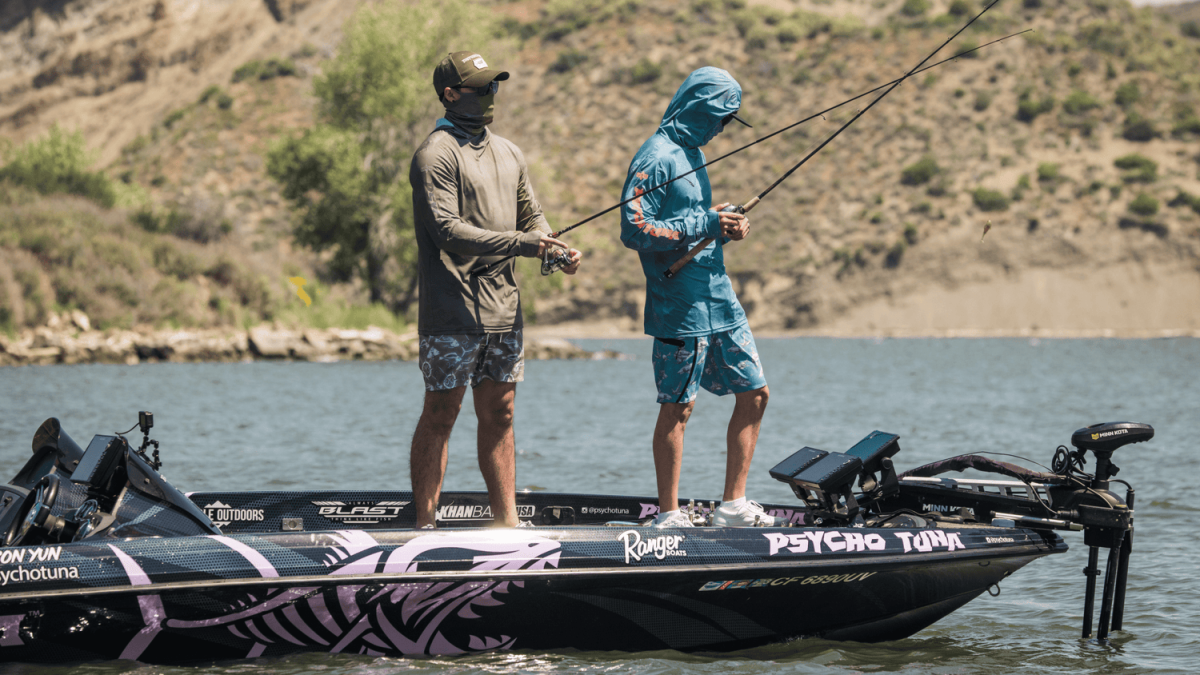
Sun protection in clothing can come from two places. It can be built into the fabric itself through yarn and weave, or added afterwards as a chemical treatment on the surface. Both can produce a good rating when a shirt is tested on day one. They behave very differently after a summer of salt, sun and washing.
For shirts worn on the water week after week, that difference decides how much protection is still in place by the end of the season.
How a Weave Blocks UV
Ultraviolet light passes through the gaps between yarns. A denser weave reduces those gaps and blocks more light. Yarn type matters too: some synthetic fibres absorb or scatter UV more effectively than others. When density and fibre are combined well, the fabric itself forms the barrier.
Because this protection is part of the structure, it does not wash out. It remains as long as the fabric stays intact.
Why Surface Treatments Fade
Chemical UV treatments sit on the outside of the fibres. Washing, salt water and abrasion gradually remove them. A treated shirt can lose a noticeable share of its protection over a season of regular use, often without any visible change to the fabric. That is the reason Psycho Tuna does not rely on a surface finish.
UPF Ratings Explained
UPF, or ultraviolet protection factor, measures how much UV passes through fabric. A UPF 50 rating means roughly one fiftieth of UV reaches the skin. The rating is useful, but it only describes the fabric at the time of testing. Knowing whether protection comes from the weave or a treatment tells more about how it will hold.
Button-up shirts made by Psycho Tuna rely on weave density and fibre choice for their protection, so it is part of the shirt rather than a finish that wears away.
Balancing Density and Breathability
A denser weave blocks more UV but can trap more heat. The challenge is reaching good protection while still letting air move. Lightweight technical yarns woven in a controlled structure can do both. Psycho Tuna Clothing designs its shirt fabric around that balance, since a shirt too hot to keep on protects no one.
Fit and Coverage Still Matter
Even the most protective fabric only shields the skin it covers. Sleeves that reach the wrist, a collar that can turn up and a hem long enough to stay tucked or covering during movement all extend that protection. Psycho Tuna treats cut and coverage as part of the same protection brief as the fabric.
Frequently Asked Questions
What is the difference between built-in and treated UV protection?
Built-in protection comes from yarn and weave, while treated protection is a surface finish that can wear off.
What does a UPF 50 rating mean?
Roughly one fiftieth of UV passes through the fabric to the skin.
Does UV protection wash out of clothing?
Surface treatments can, but protection built into the weave remains while the fabric is intact.
Can a dense weave still be breathable?
Yes, when lightweight technical yarns are woven in a controlled structure.

Spending long hours near the water changes what you expect from the clothes you put on - fabrics that dry fast, move with you, and hold their shape after repeated exposure to sun and salt matter more than anything else. Getting that right means the gear stops being something you think about and starts being something that just works. Psycho Tuna approaches swim shorts from exactly that position, with 4-way stretch construction and coastal-driven prints built for the way watermen actually spend their days.















Comments (0)