

How Should Cannabis Distillates Be Stored?
Proper cannabis distillate storage requires a cool, dark, dry environment and an airtight container. Avoid heat, sunlight, moisture, and temperature fluctuations while keeping products safely away from children and pets.

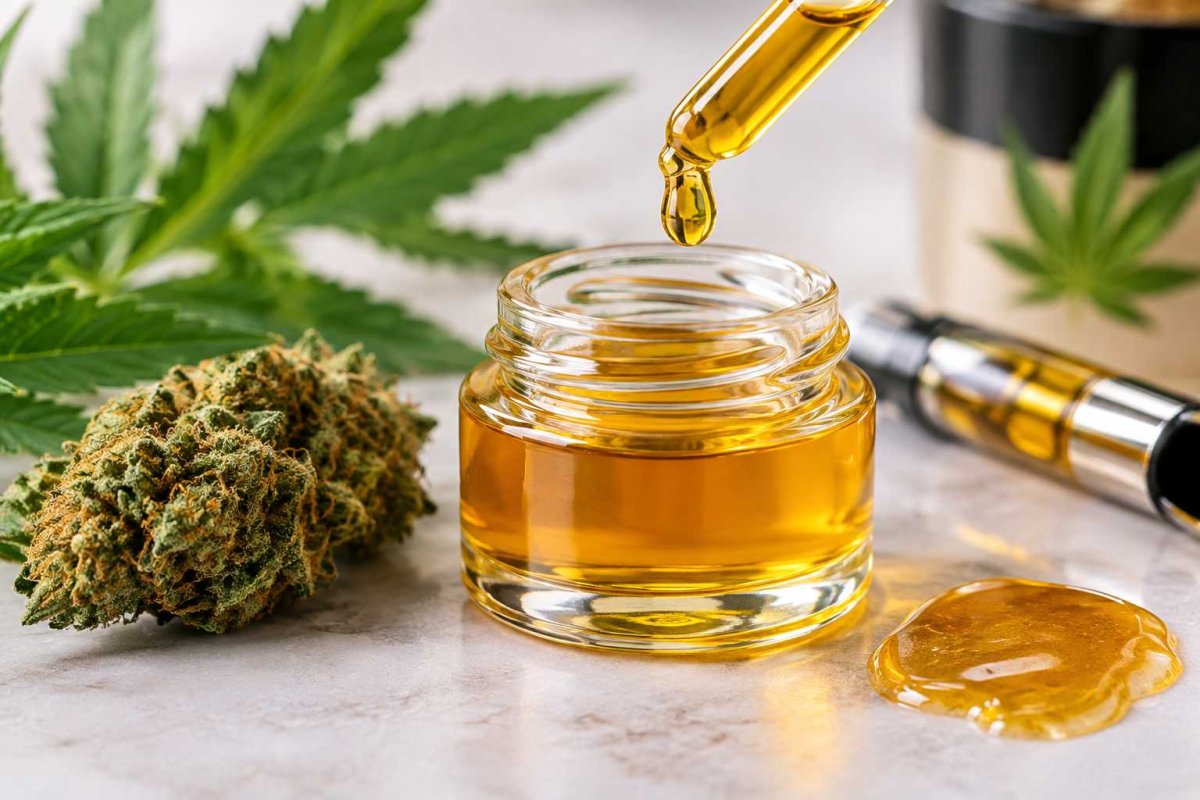
Cannabis distillates are highly refined cannabis concentrates known for their potency, purity, and versatility. Whether used in vape cartridges, edibles, tinctures, or other cannabis products, proper storage is essential for preserving their quality. Exposure to heat, light, air, and moisture can gradually affect the distillate’s consistency, flavor, potency, and overall stability. Fortunately, a few simple storage practices can help keep cannabis distillates in good condition for longer.
Keep Distillates Away From Heat
Temperature is one of the most important factors when storing cannabis distillates. Excessive heat can cause the material to become overly runny and may accelerate degradation of cannabinoids and other compounds. Avoid leaving distillates in places exposed to direct sunlight, such as windowsills, cars, or countertops near appliances.
A cool, stable environment is generally preferable. However, extremely cold temperatures can also change the texture and make the distillate difficult to handle. The goal is to avoid temperature extremes and frequent temperature fluctuations.
Protect Them From Light
Light, particularly ultraviolet (UV) light, can contribute to the degradation of cannabinoids over time. For this reason, cannabis distillates should ideally be stored in opaque or dark-colored containers that limit light exposure.
If the original packaging is designed to protect the contents from light, keeping the distillate in that packaging is often a practical choice. Otherwise, store the container in a dark cupboard, drawer, or other protected location.
Minimize Air Exposure
Oxygen can contribute to oxidation and gradual changes in cannabis products. Keeping the container tightly sealed when the distillate is not being used can help limit unnecessary air exposure.
Avoid repeatedly opening the container simply to inspect the product. When handling the distillate, make sure the container is closed promptly afterward. A clean storage container with a secure, airtight seal can also help reduce exposure to environmental contaminants.
Control Moisture and Humidity
Cannabis distillates generally have low moisture content, but their storage environment should still be clean and dry. Excessive humidity can create problems with packaging and may introduce unwanted contaminants, particularly if the container is repeatedly opened in damp conditions.
Store distillates away from sinks, showers, humidifiers, and other sources of moisture. Keeping the product in its properly sealed container is usually sufficient for protecting it from ambient humidity.
Choose the Right Container
The container matters almost as much as the storage location. Glass containers are commonly preferred for concentrates because they are durable, non-porous, and less likely to interact with the contents. Food-safe, chemically compatible containers may also be appropriate depending on the product and manufacturer’s recommendations.
Avoid transferring distillates into random household containers. If the product comes in manufacturer-approved packaging, keeping it there can help preserve its intended quality and provide useful labeling information.
Store Cannabis Distillates Safely
Cannabis distillates should always be kept out of reach of children, pets, and anyone who should not have access to them. Follow applicable local laws and the storage instructions provided by the manufacturer. If refrigeration is recommended for a particular product, follow the manufacturer’s guidance rather than assuming all distillates require refrigeration.
In short, the best approach is simple: keep cannabis distillates cool, dark, dry, and tightly sealed. Avoid heat, sunlight, excessive air exposure, and temperature fluctuations. With appropriate storage and careful handling, you can help maintain the product’s physical quality and stability throughout its intended shelf life.












Comments (0)