

Big Wheels, Shared Seats and Frozen Treats: A Practical Buyer’s Guide to Second-Hand and Two-Person Bikes
The best choice is the one that fits the people riding it, the loads they carry and the roads they use.
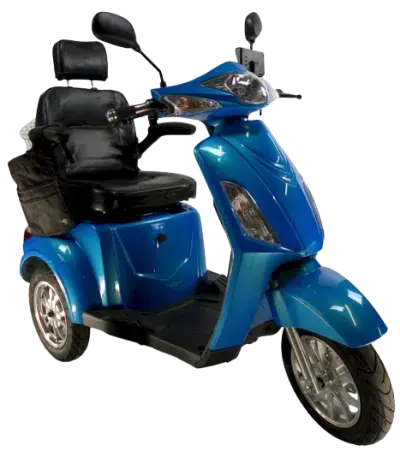

Some vehicles are built for fun, some for company and some for earning a living. If you have ever browsed listings for used electric big wheels, wondered whether a two rider bicycle would suit you and a partner, or dreamed of running one of those cheerful ice cream bikes through a summer park, this guide is for you. We also look at the double seater bike and explain how it differs from the other choices.
We wrote it plainly and honestly, with the trade-offs included. Where your health, budget or local rules could change the answer, we say so.
The Quick Answer
• used electric big wheels usually means a second-hand electric trike or ride-on with large wheels, so check the battery, weight limit and brakes before you buy.
• A two rider bicycle lets two riders share a frame, either in a line (tandem) or side by side.
• ice cream bikes are working vehicles, so food rules, freezer power and payload matter as much as the frame.
• A double seater bike can mean a tandem, a side-by-side model or an electric two-seater, so read each listing carefully.
• Never carry a passenger unless the manufacturer says the vehicle is designed for it, and stay within the stated weight limit.
Used Electric Big Wheels: What Are You Really Buying?
The phrase used electric big wheels is used loosely. Some sellers mean an adult electric trike with large wheels for stability and comfort, while others mean a novelty ride-on with a retro feel. The two are very different in quality, weight limits and intended use, and the difference matters when you are spending your own money.
Big wheels can be a real advantage. They roll more easily over small bumps and kerbs, they feel steadier on uneven paths, and they often give a smoother ride than small wheels. The trade-off is size and weight, so check how you would store and move the vehicle.
What to inspect on a second-hand electric ride
• Battery: ask its age, how it has been charged and stored, and how far it travels now compared with when it was new. Replacement can cost a large share of the price.
• Motor and controller: listen for grinding or cutting out, and check that power delivery is smooth.
• Frame and wheels: look for cracks, rust, bent parts and poorly repaired damage.
• Brakes: test them properly, ideally on a slope, and replace worn pads or cables.
• Weight limit: confirm it suits you and anything you carry.
• Seller: prefer someone who offers a short warranty or return window, and ask for the manual, charger and service records.
If a listing gives no weight limit, no age information and no contact details, treat that as a warning sign.
Two Rider Bicycle: Sharing the Pedals
A two rider bicycle is designed for two people to ride together. The best-known type is the tandem, where the front rider, the captain, steers and brakes, and the rear rider, the stoker, pedals and enjoys the view. Because both riders pedal, partners of different strengths can stay together, and many couples find the teamwork the best part.
The main challenge is coordination. The captain should announce stops, turns and bumps, and the stoker should pedal steadily and avoid sudden shifts in weight. Tandems are long, so measure your garage, hallway or car rack before ordering.
Buying second-hand
Shared bikes put more stress on frames, wheels and brakes than single-rider bikes, so inspect them carefully. Check the frame for cracks, the wheels for wobble and loose spokes, the brakes for real stopping power and the chains for smooth movement. If you are unsure, ask a bike shop to check it before you pay.
Ice Cream Bikes: A Small Business on Wheels
ice cream bikes are among the friendliest small-business ideas. They cost far less than a shop, they move easily between parks, beaches, markets and events, and customers often welcome them. The vehicle is only half of the story, though. The freezer, permits and routine matter just as much.
What to check before buying
• Freezer or cooler: confirm it reaches and holds a safe temperature, and check seals, lids and drainage. Ask how it is powered.
• Battery and range: a freezer draws power, so ask how far the vehicle travels with it running.
• Frame and brakes: a loaded cart needs strong braking and a stable frame.
• Cleanliness: food surfaces should be smooth, sound and easy to clean.
• Paperwork: ask for the manual, service records and any permit history.
Food selling is regulated in most places. You may need a vendor licence, a food handler certificate, a health inspection or approved pitches. Rules vary by city, so contact your local authority before you buy. Start with a limited menu near a place you know well, and grow only when you understand your customers.
Double Seater Bike: One Name, Several Designs
A double seater bike can mean several things. It may be a tandem with two saddles in a line, a side-by-side pedal quadricycle, or an electric two-seater with a bench or two separate seats. Each works differently, so treat the name as a starting point rather than a specification.
Tandems are slim and fast but need coordination. Side-by-side models are more relaxed and stable, but they are wide, heavy and slower on hills unless electrically assisted. Electric two-seaters remove the pedaling entirely, which suits people who cannot pedal comfortably, but the combined weight limit and battery range become the key numbers.
• Seat count: confirm that the vehicle really has two proper seats, not one seat and a rack.
• Combined weight limit: add both riders together and leave a margin.
• Brakes: test them with both riders on board.
• Rules: check local rules on passengers and on where wide vehicles may travel.
If one rider has a health condition that affects balance, vision or reaction time, speak to a doctor or occupational therapist before choosing.
A Simple Test-Ride Routine
A short test ride tells you more than a brochure. Sit on the vehicle for ten minutes and notice whether your back, wrists or hips complain. Practice starting, stopping and turning in a quiet area, then try a gentle slope if one is available. If you plan to carry a passenger, test it with that person aboard.
Ask a friend to watch you ride, because they may notice habits you cannot feel. Finally, ask yourself: would I be comfortable taking this on my usual route tomorrow? If the answer is no, keep looking.
Running Costs and Ownership
The price tag is only part of the story. Batteries wear with use, and a replacement can be one of the biggest costs over the life of any electric vehicle. Ask how many charge cycles the battery is rated for, what a replacement costs and whether it is sold separately. Tires, brake pads, chains and lights also wear, so set aside a small yearly budget for servicing.
Support matters as much as price. A bargain vehicle is a poor deal if parts take months to arrive. Ask where service is done, how warranty claims work and how long repairs usually take. Recent owner reviews, especially the critical ones, give a better picture than a product page alone.
Side-by-Side Comparison
|
Feature |
Used electric big wheels |
Two rider bicycle |
Ice cream bikes |
Double seater bike |
|
Main strength |
Stability and smooth ride |
Shared pedaling |
Low-cost small business |
Room for two |
|
Motor |
Yes |
Usually none |
Yes or assisted |
Varies by design |
|
Best use |
Local rides and errands |
Leisure and touring |
Parks, markets, events |
Couples and short trips |
|
Extra rules |
Local path rules |
Local path rules |
Food safety and permits |
Passenger rules vary |
|
Check first |
Battery and weight limit |
Frame and brakes |
Freezer and permits |
Seat count and weight |
Safety, Rules and Maintenance
Rules differ by country, state and city. They can cover motor power, top speed, passenger carrying, food safety and commercial permits. Check your local transport and licensing authority’s current guidance instead of relying on a seller’s summary.
• Wear a helmet where appropriate, and use lights or reflective strips near traffic.
• Check brakes, tires and bolts before every ride, especially with a passenger on board.
• Respect weight limits, including passengers, stock and accessories.
• Charge with the supplied charger on a hard surface, and never leave a battery charging unattended overnight.
• Service the vehicle at least once a year, or sooner for daily commercial use.
How to Choose: Five Honest Questions
• Is your goal fun, shared leisure or income?
• Who will ride, and can each person pedal, balance or steer safely?
• What is the combined weight of riders, stock or cargo?
• Where will you store and charge the vehicle?
• What is your total budget, including permits, servicing and a spare battery?
If income is the goal, look at an ice cream bike and check food rules first. If shared pedaling is the goal, try a tandem or side-by-side model. If pedal-free travel is the goal, test an electric two-seater with a suitable weight rating.
Frequently Asked Questions
Is it safe to buy a second-hand electric ride?
It can be, if you inspect the battery, frame and brakes and buy from a reliable seller. Avoid any seller who cannot provide basic information about age, condition or weight limit.
Do I need a licence to sell ice cream from a bike?
In most places, yes. Requirements vary, and food sellers usually face extra rules. Contact your local council or licensing office before you begin trading.
Can two adults ride comfortably on a double seater?
Yes, as long as the seats fit both riders and the combined weight is within the stated limit. Try before you buy if you can.
Is a tandem harder to ride than a normal bike?
It feels different at first, mostly because of the length and the need to coordinate. Most riders adapt within a few outings, and clear communication makes a big difference.
Final Thoughts
The best choice is the one that fits the people riding it, the loads they carry and the roads they use. Test ride where possible, read the specifications carefully and ask hard questions about batteries, warranty and support. If you are unsure, bring your daily routine and your health needs to a knowledgeable dealer or healthcare professional and let that guide the decision.

Buy electric bikes online in the USA. Choose from premium e-bikes for sale with great performance, fast shipping, and eco-friendly designs. Shop the latest modelstoday.









Comments (0)