

Big Wheels, Food Carts and Rickshaws: How to Shop Smart for Three-Wheeled Rides and Rolling Businesses
The best purchase is the one you have inspected, ridden and checked against local rules.
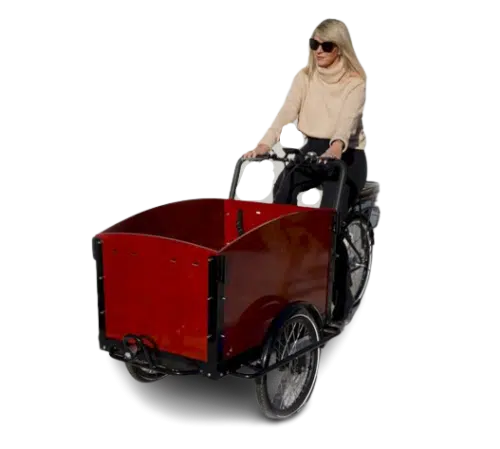

Three-wheeled vehicles do many jobs. Some carry an adult comfortably along a park path, some serve coffee or snacks from a compact counter, and some carry passengers through busy streets. If you have been scrolling through listings for used adult big wheels for sale, a bicycle food cart for sale or a rickshaw bike for sale, you have probably noticed how little the descriptions actually tell you. This guide explains what each term usually means and what to check before you pay.
We wrote it plainly and honestly, with the trade-offs included. Where your health, budget or local rules could change the answer, we say so.
The Quick Answer
• adult big wheels for sale is a loose phrase. It may describe an adult electric trike with large wheels, or a novelty ride-on, so check the weight limit and build quality.
• A used adult big wheels for sale listing can save money, but the battery, brakes and frame need a careful inspection.
• A bicycle food cart for sale listing is a business tool, so counter space, power, food rules and payload matter as much as the frame.
• A rickshaw bike for sale listing usually means a pedicab-style vehicle for passengers, so licensing, brakes and seat strength come first.
• Whatever you buy, ask for service records, test ride it and confirm local rules before you pay.
Adult Big Wheels for Sale: Decoding the Listings
Search for adult big wheels for sale and you will find very different products under the same name. Some are proper adult tricycles built with large wheels for stability and comfort. Others are novelty ride-ons that copy a retro childhood design and may not be built for daily use or heavier riders. The price gap can be small, but the quality gap can be enormous.
Large wheels have real advantages. They roll more easily over small bumps and kerbs, they feel steadier on uneven paths, and they often give a smoother ride than small wheels. The trade-off is size and weight, so think about where you will store the vehicle and how it will turn in narrow spaces.
Questions to ask any seller
• What is the stated weight limit, and does it include cargo?
• Is it electric, pedal-powered or both, and how old is the battery?
• What are the wheel size, brake type and frame material?
• How are spare parts and warranty claims handled?
• Can I see it, ride it and read the manual before paying?
If a listing gives no weight limit, no photos of the brakes or frame and no contact details, treat that as a warning sign.
Used Adult Big Wheels for Sale: Inspect Before You Pay
A used adult big wheels for sale listing can be a smart way to save money, but second-hand electric vehicles hide their problems well. The battery is the biggest question mark, because batteries lose capacity over time and a replacement can cost a large share of the vehicle’s value.
• Battery: ask its age, how it has been charged and stored, and how far the vehicle travels now compared with when it was new.
• Motor and controller: listen for grinding or cutting out, and check that power delivery is smooth.
• Frame and welds: look for cracks, rust, bent parts and poorly repaired damage.
• Wheels and tires: check for wobble, worn rims and cracked or flat-spotted tires.
• Brakes: test them on a slope, and replace worn pads or cables.
• Seat and steering: check for looseness, cracks and any play in the steering column.
Ask for the manual, the charger and any service records, and prefer a seller who offers a short warranty or return window. For higher-value purchases, a bike shop inspection is a small price for peace of mind.
Bicycle Food Cart for Sale: A Business, Not Just a Bike
A bicycle food cart for sale listing attracts first-time entrepreneurs because it costs far less than a shop and can move between parks, markets, campuses and events. A compact counter, a cooler or a small heating unit turns a tricycle or cargo bike into a mobile stall. Yet the cart itself is only one part of the equation. Food rules, power and daily routine decide whether the business succeeds.
• Counter and storage: check space, surfaces and lids, and make sure everything is easy to clean.
• Power: ask how a cooler, heater or coffee machine is powered and how long the battery lasts.
• Payload: confirm the stated limit, and remember that ice, drinks and stock add up quickly.
• Balance and brakes: a loaded cart needs strong braking and a stable frame.
• Weather cover: an umbrella or canopy protects customers and stock.
Food selling is regulated in most places. You may need a vendor licence, a food handler certificate, a health inspection or an approved pitch. Rules vary by city, so contact your local authority before you buy. Start with a limited menu near a place you know well, and grow only when you understand your customers.
Rickshaw Bike for Sale: Carrying Passengers Responsibly
A rickshaw bike for sale listing usually describes a pedicab-style tricycle in which the driver sits at the front or rear, and one or two passengers sit behind. Electric versions lower the effort of pedaling, which helps on hills and longer shifts. Because they carry people, these vehicles deserve more scrutiny than almost any other item in this guide.
• Passenger seat and frame: check for cracks, loose bolts and sagging supports.
• Brakes: test them carefully, because a passenger vehicle needs strong, even braking.
• Safety features: look for working lights, reflectors, handholds and any belts.
• Weight limits: ask for the stated passenger and combined limits, and never exceed them.
• Drive system: for electric versions, ask about battery age and replacement cost.
Licensing matters as much as the vehicle. Many cities regulate carrying paying passengers and may require a licence, insurance, an inspection or an approved vehicle type. Operating without approval can lead to fines or a seized vehicle. Confirm the rules with your local authority before you buy, not after.
Red Flags When Buying Second-Hand
A few warning signs apply to every vehicle in this guide. Be cautious if the seller cannot say how old the battery is, refuses a test ride, offers no photos of the frame or brakes, pushes you to pay quickly or gives vague answers about ownership. Ask for proof that the seller owns the vehicle, and if the price seems too good to be true, take a step back.
A Simple Test-Ride Routine
A short test ride tells you more than a brochure. Sit on the vehicle for ten minutes and notice whether your back, wrists or hips complain. Practice starting, stopping and turning in a quiet area, then try a gentle slope if one is available. If you plan to carry passengers or a load, test with that weight on board.
Ask a friend to watch you ride, because they may notice habits you cannot feel. Finally, ask yourself: would I be comfortable taking this on my usual route tomorrow? If the answer is no, keep looking.
Running Costs and Ownership
The price tag is only part of the story. Batteries wear with use, and a replacement can be one of the biggest costs over the life of any electric vehicle. Ask how many charge cycles the battery is rated for, what a replacement costs and whether it is sold separately. Tires, brake pads, chains and lights also wear, so set aside a small yearly budget for servicing.
Side-by-Side Comparison
|
Feature |
Adult big wheels |
Used big wheels |
Bicycle food cart |
Rickshaw bike |
|
Main use |
Comfort and stability |
Budget comfort riding |
Mobile food business |
Carrying passengers |
|
Best terrain |
Paths and light off-road |
Paths and light off-road |
Parks, markets, events |
City streets |
|
Extra rules |
Local path rules |
Local path rules |
Food safety and permits |
Passenger licensing |
|
Big cost risk |
Battery and parts |
Battery age |
Power and permits |
Licensing and brakes |
|
Check first |
Weight limit and brakes |
Battery and frame |
Payload and permits |
Seat strength and brakes |
Safety, Rules and Maintenance
Rules differ by country, state and city. They can cover motor power, top speed, passenger carrying, food safety and commercial permits. Check your local transport and licensing authority’s current guidance instead of relying on a seller’s summary.
• Wear a helmet where appropriate, and use lights or reflective strips near traffic.
• Check brakes, tires and bolts before every ride, especially with passengers or a load on board.
• Respect weight limits, including passengers, stock and accessories.
• Charge with the supplied charger on a hard surface, and never leave a battery charging unattended overnight.
• Service the vehicle at least once a year, or sooner for daily commercial use.
How to Choose: Five Honest Questions
• Is your goal comfort, income or carrying passengers?
• Where will you ride: smooth paths, busy streets or mixed ground?
• What is the combined weight of riders, stock or passengers?
• Where will you store and charge the vehicle?
• What is your full budget, including permits, servicing and a spare battery?
Frequently Asked Questions
Are big-wheel trikes suitable for older riders?
They can be, thanks to their stability and smooth ride, but check the weight limit, seat height and brakes, and speak to a doctor or occupational therapist if a health condition affects balance or strength.
Do I need a permit to sell food from a bicycle cart?
Usually, yes. Food sellers often face licensing, hygiene and pitch rules, so check with your local council before you begin trading.
Do I need a licence to carry passengers on a rickshaw?
In most places, yes. Requirements vary widely, so contact your local licensing authority before you buy or offer any rides.
Is it safe to buy a second-hand electric vehicle?
It can be, if you inspect the battery, frame and brakes and buy from a reliable seller. Avoid any seller who cannot provide basic information about age, condition or weight limit.
Final Thoughts
The best purchase is the one you have inspected, ridden and checked against local rules. Take your time, ask hard questions about batteries, brakes and history, and walk away if the answers are vague. If you are unsure, bring your routine and your health needs to a knowledgeable dealer or healthcare professional and let that guide the decision.

Buy electric bikes online in the USA. Choose from premium e-bikes for sale with great performance, fast shipping, and eco-friendly designs. Shop the latest modelstoday.









Comments (0)