

Selling, Carrying and Riding: A Practical Guide to Electric Ice Cream Carts, Trike Scooters and Rickshaws
The best choice is the one that fits the people riding it, the loads they carry and the roads they use.
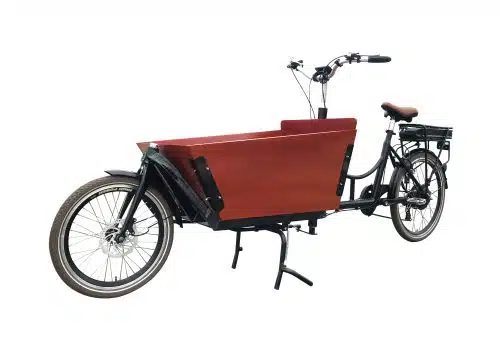
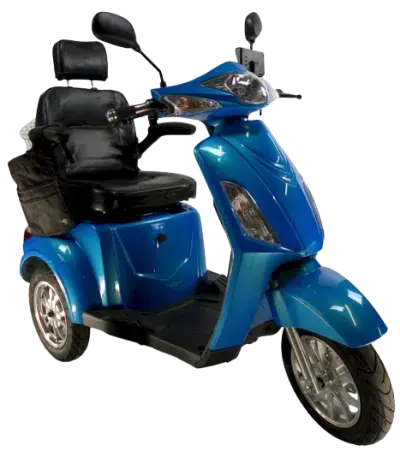
Three-wheeled electric vehicles do very different jobs. Some carry a freezer full of ice cream through a summer park, some carry passengers on a short city hop, and some simply help an adult stay steady and independent. This guide looks at four of them: a used electric bicycle ice cream cart for a small street business, tricycle scooters for comfortable seated travel, a fat tire electric tricycle for adults for rougher ground, and tricycle rickshaws for carrying passengers or light cargo.
We wrote it plainly and honestly, with the trade-offs included. Where your health, budget or local rules could change the answer, we say so.
The Quick Answer
• A used electric bicycle ice cream cart can be a low-cost way to start selling frozen treats, provided you inspect the battery, freezer and frame carefully and follow local food rules.
• tricycle scooters suit riders who want an upright, supported seat and simple throttle controls for local errands.
• A fat tire electric tricycle for adults suits riders who want a cushioned, stable ride over gravel, grass, sand or packed snow.
• tricycle rickshaws suit operators who carry passengers or light freight, but they are heavily regulated in many places.
• Always confirm weight limits, try the vehicle in person if possible and speak to a doctor or therapist if a health condition affects your balance, vision or strength.
Used Electric Ice Cream Carts: Starting a Small Business
Selling ice cream from a bike-based cart is a classic small-business idea. It needs little startup money compared with a shop, it moves easily between parks, beaches, markets and events, and customers are often happy to see it coming. The vehicle is only half the story, though. The freezer, the permits and the routine matter just as much.
A used electric bicycle ice cream cart can save a great deal compared with buying new, and many first-time sellers start this way. Second-hand equipment carries hidden risks, however, so inspect it with care before you hand over any money.
What to inspect before buying
• Battery: ask its age, how it has been charged and how far the vehicle travels now compared with when it was new. Replacement can be a major cost.
• Freezer or cooler: confirm it reaches and holds a safe temperature, and check seals, lids and drainage. Ask whether it runs from the main battery, a separate battery or a generator.
• Frame and wheels: look for cracks, rust, poor repairs and wobbling wheels, especially on a vehicle that carries a heavy box.
• Brakes and steering: a loaded cart needs reliable stopping, so test it on a slope if you can.
• Cleanliness: food contact surfaces should be smooth, sound and easy to clean.
• Paperwork: ask for the manual, service records and any previous inspection or permit history.
Rules and routines
Food selling is regulated in most places. You may need a vendor licence, a food handler certificate, a health inspection or approved pitches. Rules vary widely by city, so contact your local authority before you buy anything. Keep stock cold, clean your equipment daily and plan a safe place to store and charge the cart overnight.
Start small. Sell a limited menu near a place you know well, keep simple records of costs and sales, and grow only when you understand your customers and your daily routine.
Tricycle Scooters: Easy, Seated Travel
tricycle scooters combine a scooter-style seat and steering with a three-wheel frame. You sit upright, steer with a tiller or handlebars and control speed with a throttle, so there is nothing to pedal and no need to balance. They are popular with older adults, people recovering from injury and anyone who wants a simple way to travel locally.
Because sellers use the term loosely, read the description carefully. Some models are essentially small mobility scooters with three wheels, while others are heavier and more powerful trikes. Compare the weight limit, wheel size, suspension and range rather than relying on the name.
Be realistic about terrain. Smooth pavements and gentle slopes suit most models, while rough ground, steep hills and long distances may need a stronger motor and larger wheels. Check local rules, too, because some places restrict where a scooter may travel and how fast it may go.
Fat Tire Electric Tricycles: Comfort Off the Pavement
A fat tire electric tricycle for adults uses wide, low-pressure tires that spread weight over a larger area. That helps on gravel, grass, sand and light snow, and it gives a cushioned ride over bumps. For riders who live near trails, beaches or unpaved lanes, this can be the difference between staying home and getting out.
These trikes are usually heavier than standard models because of the frame, battery and thick tires, so they can be harder to store and lift. The wide tires add rolling resistance, which can slightly reduce range on pavement. On smooth city streets, a lighter tricycle may be enough.
• Look for front suspension or a suspension seat post if your route is bumpy.
• Check that both rear wheels have reliable brakes.
• Confirm the weight limit, including anything you plan to carry.
• Ask about spare parts, warranty support and battery replacement costs.
Tricycle Rickshaws: Carrying People and Cargo
tricycle rickshaws have a long history in cities around the world, and electric versions are becoming more common. A driver sits at the front or rear, and one or two passengers, or a cargo box, sit behind. Electric assistance lowers physical effort, which makes longer shifts and hilly routes more manageable.
Carrying passengers changes the responsibility. A rickshaw operator must think about seat belts or handholds, braking distance, stability on corners and the weight of every passenger. Many cities require a licence, insurance, an approved vehicle or a set of safety checks before an operator may carry paying passengers. Check the current rules in your area before you buy, because operating without approval can lead to fines or a seized vehicle.
• Confirm the passenger and cargo limits, and never exceed them.
• Look for reliable brakes, working lights and a stable frame.
• Ask whether the vehicle meets local standards for carrying passengers.
• Plan for insurance and regular servicing, since these are ongoing costs.
Running Costs and Ownership
The purchase price is only part of the story. Batteries wear with use, and a replacement can be one of the largest costs over the life of any electric vehicle. Ask the seller how many charge cycles the battery is rated for, what a replacement costs and whether it is sold separately. Tires, brake pads, chains and lights also wear, so set aside a small yearly budget for servicing.
Support matters as much as price. A cheap used electric bicycle ice cream cart is a poor bargain if parts take months to arrive or nobody nearby can repair the freezer. Before paying, ask where service is done, how warranty claims work and how long repairs usually take. Reading recent owner reviews, especially the critical ones, gives a better picture than a product page alone.
Side-by-Side Comparison
|
Feature |
Used ice cream cart |
Tricycle scooter |
Fat tire trike |
Tricycle rickshaw |
|
Main strength |
Low-cost small business |
Seated, no pedaling |
Rough-ground comfort |
Carries people and cargo |
|
Best use |
Parks, markets, events |
Local errands |
Trails, gravel, sand |
Short city trips |
|
Extra rules |
Food safety and permits |
Local path rules |
Local path rules |
Passenger licensing |
|
Size |
Bulky |
Medium |
Medium to wide |
Large |
|
Check first |
Battery and freezer |
Weight limit and range |
Weight and storage |
Licensing and brakes |
Safety, Rules and Maintenance
Rules differ by country, state and city. They can cover motor power, top speed, passenger carrying, food safety and commercial permits. Check your local transport and licensing authority’s current guidance instead of relying on a seller’s summary.
• Wear a helmet where appropriate, and use lights or reflective strips near traffic.
• Check brakes, tires and bolts before every ride, especially on loaded vehicles.
• Respect weight limits, including passengers, stock and accessories.
• Charge with the supplied charger on a hard surface, and never leave a battery charging unattended overnight.
• Service the vehicle at least once a year, or sooner for daily commercial use.
How to Choose: Five Honest Questions
• Is your goal income, personal travel or carrying passengers?
• How much weight will the vehicle carry, including riders, stock or passengers?
• Where will you ride: smooth streets, mixed paths or rough ground?
• Where will you store and charge it?
• What is your full budget, including permits, insurance, servicing and a spare battery?
If income from food is the goal, look at an ice cream cart and check food rules first. If comfort is the goal, test a seated trike. If rough ground is the goal, try a fat-tire model. If carrying passengers is the goal, research licensing before you spend anything.
Frequently Asked Questions
Is a second-hand ice cream cart worth buying?
It can be, if the battery, freezer, frame and brakes are in good condition and the price reflects any repairs. Ask for service records, test it thoroughly and confirm it meets local food-safety rules.
Do I need a licence to sell from a cart?
In most places, yes. Requirements vary, and food sellers usually face extra rules. Contact your local council or licensing office before you begin trading.
Are three-wheeled scooters stable enough for everyday use?
At low speeds they are usually very stable, but they can lean in sharp turns at speed. Ride slowly at first, and choose a model with a weight limit that suits you.
Can I carry paying passengers on a rickshaw?
Only if your local rules allow it and your vehicle meets the required standards. Check licensing and insurance requirements before offering rides.
Final Thoughts
The best choice is the one that fits the people riding it, the loads they carry and the roads they use. Test ride where possible, read the specifications carefully and ask hard questions about batteries, warranty and support. If you are unsure, bring your daily routine and your health needs to a knowledgeable dealer or healthcare professional and let that guide the decision.

Buy electric bikes online in the USA. Choose from premium e-bikes for sale with great performance, fast shipping, and eco-friendly designs. Shop the latest modelstoday.











Comments (0)