

Round Lab Grown Diamond Ring: A Complete Guide to Choosing the Perfect Ring
A round lab grown diamond ring combines the timeless appearance of a classic round brilliant diamond with the modern appeal of laboratory-grown diamonds.


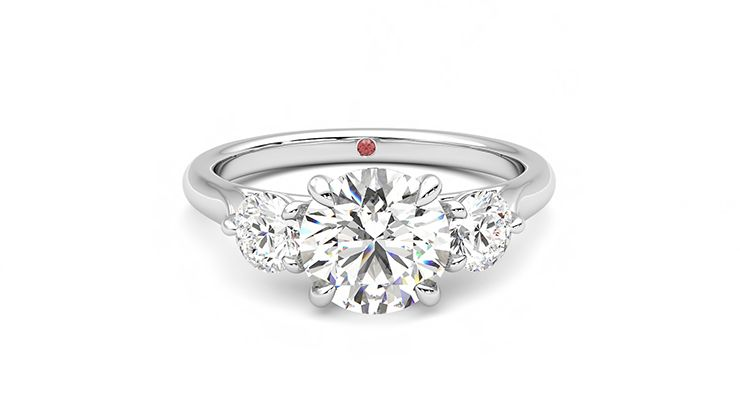
A round lab grown diamond ring combines the timeless appearance of a classic round brilliant diamond with the modern appeal of laboratory-grown diamonds. With their symmetrical shape, impressive sparkle, and wide range of styles, round lab grown diamonds have become an attractive option for engagement rings, anniversary jewelry, and everyday luxury. Understanding diamond quality, ring settings, metal choices, and certification can help you select a ring that matches your style and budget.
What Is a Round Lab Grown Diamond Ring?
A round lab grown diamond ring features a laboratory-grown diamond with a circular brilliant-cut shape. Lab grown diamonds are created in controlled laboratory environments using advanced processes such as Chemical Vapor Deposition (CVD) or High Pressure High Temperature (HPHT).
Unlike diamond simulants such as cubic zirconia or moissanite, a lab grown diamond is a genuine diamond with the same basic chemical composition and crystal structure as a mined diamond. The primary difference is its origin rather than its fundamental identity as diamond.
The round brilliant cut is especially popular because its carefully arranged facets are designed to return light through the top of the stone. This creates the brightness, fire, and scintillation that many people associate with a classic diamond engagement ring.
Why Choose a Round Lab Grown Diamond Ring?
There are several reasons shoppers consider round lab grown diamond rings when searching for engagement or fine jewelry.
Classic and Timeless Appearance
The round shape has a traditional appearance that works with virtually every engagement ring style. Whether you prefer a simple solitaire, a delicate pavé design, or a glamorous halo setting, a round diamond can serve as a versatile centerpiece.
Its symmetrical outline also gives the ring a balanced appearance on the finger, making it suitable for both classic and contemporary designs.
Excellent Light Performance
The round brilliant cut is engineered to maximize the interaction between the diamond and light. When the stone is well cut, its facets can produce noticeable brightness and sparkle.
This makes cut quality particularly important when shopping for a round diamond. Two stones with the same carat weight can look significantly different if their proportions and cut quality differ.
More Flexibility When Planning a Ring
Lab grown diamonds can provide shoppers with additional flexibility when allocating their jewelry budget. Depending on the stone's specifications, setting, and retailer, buyers may be able to consider a larger diamond or a more detailed setting than they initially expected.
However, price should not be evaluated by carat weight alone. Cut, color, clarity, certification, measurements, and craftsmanship can all affect the final price.
Understanding the 4Cs of a Round Lab Grown Diamond
The 4Cs, cut, color, clarity, and carat weight, are essential when comparing diamonds.
| Factor | What It Means | Why It Matters |
|---|---|---|
| Cut | How the diamond's facets interact with light | Strongly affects sparkle and brilliance |
| Color | The degree of body color | Influences how white the diamond appears |
| Clarity | Internal and external characteristics | Helps determine visual appearance |
| Carat | The diamond's weight | Influences size and price |
Cut
For a round brilliant diamond, cut deserves particular attention because it directly influences the stone's visual performance.
A diamond with excellent proportions can appear bright and lively, while a poorly proportioned stone may appear less vibrant even when it has a high carat weight.
When comparing round lab grown diamonds, review the available cut grade and other report details rather than choosing solely by size. Round brilliant diamonds are also distinctive because major grading laboratories can provide formal cut assessments for this shape.
Color
Diamond color describes how much body color is visible in the stone. Colorless grades generally command higher prices, but the difference may not always be obvious once a diamond is mounted.
The color of the ring metal can also influence your choice. White metals such as platinum and white gold create a different visual environment from yellow or rose gold.
Rather than automatically selecting the highest available color grade, consider how the diamond looks with your chosen setting.
Clarity
Clarity refers to characteristics found inside or on the surface of a diamond. Many inclusions are difficult or impossible to see without magnification.
For this reason, it is useful to evaluate whether a diamond is visually clean rather than assuming that the highest clarity grade is necessary. A diamond's individual characteristics, location of inclusions, and overall appearance should all be considered.
Carat Weight
Carat refers to diamond weight, not its exact visual size. Two diamonds with the same carat weight can have slightly different measurements and proportions.
When choosing a round lab grown diamond ring, look at the diamond's measurements alongside its carat weight. This gives you a better understanding of how large the stone will actually appear on the finger.
Popular Round Lab Grown Diamond Ring Settings
The setting can completely change the personality of a ring. Consider these popular options when choosing your design.
Solitaire Setting
A solitaire places the round diamond at the center without competing side stones. This clean design emphasizes the center diamond and creates a classic engagement ring appearance.
A solitaire can also make a practical choice for someone who prefers understated jewelry.
Halo Setting
A halo surrounds the center diamond with smaller diamonds. This adds additional sparkle and can create the visual impression of a larger center stone.
Halo rings are available in traditional, vintage-inspired, and contemporary designs.
Pavé Setting
In a pavé setting, small diamonds are placed closely along the band. This creates continuous sparkle while allowing the center round diamond to remain the main focal point.
Pavé settings work particularly well with round brilliant diamonds because the smaller stones complement the center diamond's brilliance.
Three-Stone Setting
A three-stone ring uses a center diamond alongside two additional stones. The design can offer more visual presence while creating a meaningful representation of a relationship's past, present, and future.
Bezel Setting
A bezel setting surrounds the diamond with a metal rim. It offers a modern appearance and protects the diamond's edges while creating a sleek, streamlined design.
Choosing the Right Metal
Your choice of metal affects both the appearance and everyday practicality of your ring.
White gold: Offers a bright, contemporary appearance and pairs naturally with colorless-looking diamonds.
Yellow gold: Provides a warm, traditional contrast against a white diamond.
Rose gold: Creates a romantic appearance with its pinkish tone and works well with vintage and modern designs.
Platinum: Offers a naturally white appearance and is valued for its durability and density.
When selecting a diamond color grade, consider the metal and overall design together rather than evaluating the diamond independently.
Certification and Diamond Reports Matter
A diamond grading report provides important information about a stone's characteristics. Before purchasing a significant diamond, review the report and confirm that its details correspond with the stone being sold.
Depending on the stone and laboratory, a report can provide information about carat weight, measurements, color, clarity, cut, polish, symmetry, and other characteristics.
It is also important to know which laboratory issued the report. Current grading practices can differ between laboratories. For example, GIA changed its laboratory-grown diamond reporting approach in October 2025, moving away from the traditional D-to-Z color and FL-to-I3 clarity scales for its newer lab-grown assessments.
Checking the report number through the issuing laboratory can provide another useful verification step.
How to Choose the Right Round Lab Grown Diamond Ring
Start by determining your overall budget. Remember that the total price includes more than the center diamond. The setting, metal, side stones, craftsmanship, customization, and other services can all affect the final price.
Next, decide on the ring style you prefer. A solitaire may suit someone who likes minimalist jewelry, while a halo or pavé design may appeal to someone who wants additional sparkle.
Then compare diamonds based on their cut, color, clarity, carat weight, measurements, and certification.
Finally, think about everyday wear. If the ring will be worn daily, pay attention to the security of the setting, quality of the metal, prong construction, and maintenance requirements.
At Brilani, shoppers can explore diamond jewelry options while considering the combination of stone quality, design, and craftsmanship that best fits their personal style.
Round Lab Grown Diamond vs. Natural Diamond
The biggest difference between a lab grown and natural diamond is how the diamond originates.
Natural diamonds form through geological processes deep within the Earth over extremely long periods. Lab grown diamonds are produced using controlled technological processes.
From a buyer's perspective, the choice can involve more than appearance. Some shoppers prioritize natural origin and geological rarity, while others prefer the accessibility and laboratory origin of a lab grown diamond.
Neither choice eliminates the need to evaluate cut, clarity, color, carat, certification, and ring craftsmanship.
Tips for Buying a Round Lab Grown Diamond Ring Online
Buying jewelry online can provide access to a broad selection, but careful comparison is important.
Before placing an order:
- Review the diamond's complete specifications.
- Check the grading report or certification details.
- Compare the diamond's measurements with its carat weight.
- Look at high-resolution images and videos when available.
- Review the ring's metal type and setting details.
- Confirm the available ring sizes.
- Read the return, resizing, warranty, and exchange policies.
- Check whether the ring can be customized.
- Make sure the product description clearly identifies the diamond as lab grown.
Do not rely only on a large carat number or a promotional discount. A well-rounded comparison considers the complete diamond and the finished ring.
How to Care for Your Round Lab Grown Diamond Ring
Although diamonds are highly durable, the ring setting still needs regular attention.
Remove your ring when performing activities that could expose it to harsh chemicals, heavy impact, or unnecessary abrasion. Clean the ring according to the manufacturer's recommendations, and periodically inspect the prongs and setting.
Professional inspection can also help identify loose stones or worn components before they become a larger problem.
Store the ring separately from other jewelry when possible to reduce scratching and contact between pieces.
Frequently Asked Questions
Is a round lab grown diamond a real diamond?
Yes. A lab grown diamond is a genuine diamond produced in a controlled laboratory environment. It is different from diamond simulants such as cubic zirconia and moissanite. Its primary distinction from a natural diamond is its origin.
Why are round lab grown diamonds so popular?
Round brilliant diamonds have a classic symmetrical appearance and are designed to produce strong brightness and sparkle. Their versatility also makes them suitable for solitaire, halo, pavé, three-stone, and other ring styles.
What should I prioritize when buying a round lab grown diamond?
Start with cut quality and then consider color, clarity, carat weight, measurements, certification, and the overall ring setting. The best combination depends on your visual preferences and budget.
Is certification important for a lab grown diamond?
Yes. A grading report can provide independent information about the diamond's characteristics and makes it easier to compare stones. Always check which laboratory issued the report and verify its details when possible.
What setting looks best with a round lab grown diamond?
There is no single setting that works for everyone. Solitaire settings emphasize simplicity, halos add surrounding sparkle, pavé bands create additional brilliance, three-stone designs provide more visual presence, and bezels offer a sleek appearance with additional protection around the diamond.
Can a round lab grown diamond ring be worn every day?
Yes, a properly constructed diamond ring can be suitable for everyday wear. However, the durability of the complete ring also depends on the setting, metal, prongs, and how the ring is treated. Regular inspection and proper care can help maintain its condition.
Find Your Ideal Round Lab Grown Diamond Ring
A round lab grown diamond ring offers a classic silhouette, brilliant sparkle, and a wide range of design possibilities. The key is to look beyond carat weight and evaluate the complete package, including cut, color, clarity, measurements, certification, setting, metal, and craftsmanship.
Whether you prefer a minimalist solitaire or a detailed halo design, understanding these factors can make the buying process easier and help you select a ring that fits your style, occasion, and budget.












Comments (0)