

What Is a Safety Valve and How Does It Work?

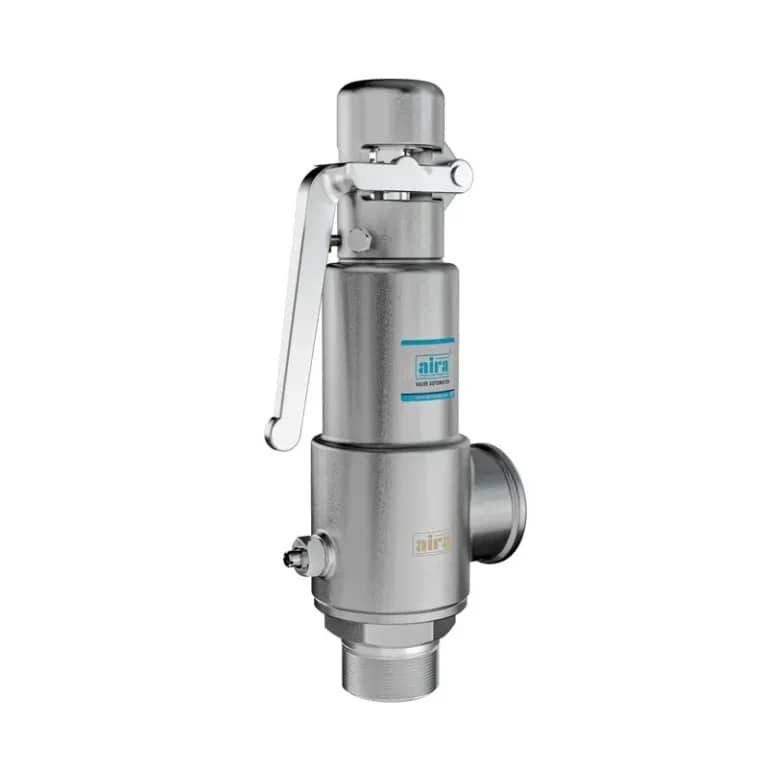
Industrial equipment, pressure vessels, boilers, and pipeline systems often operate under high-pressure conditions. Maintaining pressure within safe operating limits is essential for protecting equipment and supporting reliable plant operations. Selecting a suitable Safety Valve Manufacturer is therefore an important consideration for industries that require dependable overpressure protection.
A safety valve is designed to release excess pressure automatically when the pressure inside a system reaches a predetermined limit. It helps prevent dangerous pressure buildup and supports the safe operation of industrial equipment.
What Is a Safety Valve?
A safety valve is an automatic pressure-relief device that opens when the system pressure reaches its specified set pressure. It releases fluid or gas to reduce excessive pressure and helps protect the connected equipment.
Safety valves are commonly used in boilers, pressure vessels, steam systems, and industrial processing equipment. They are designed according to specific pressure requirements and applicable industry standards.
Unlike ordinary isolation valves, safety valves perform a protective function. They operate automatically without requiring a manual command when the specified pressure condition is reached.
How Does a Safety Valve Work?
The working principle of a conventional spring-loaded safety valve is based on balancing system pressure against spring force.
Its operation generally follows these stages:
Normal Operating Condition
Under normal conditions, the spring applies force to keep the valve disc seated. The valve remains closed while system pressure stays below its specified set pressure.
Pressure Reaches the Set Point
When system pressure increases and reaches the set pressure, the force acting on the valve disc becomes sufficient to overcome the spring force.
Automatic Opening
The valve opens and releases excess fluid or gas through its outlet. This helps reduce pressure inside the protected system.
Pressure Reduction and Closing
As pressure decreases, the spring force helps return the disc to its seat. The valve closes when the pressure falls to the designed reseating level.
The exact opening and closing behaviour depends on the valve design and applicable standards.
Important Components of a Safety Valve
A safety valve contains several components that work together to provide overpressure protection.
-
Valve Body: Houses the internal components and provides the main pressure-containing structure.
-
Disc: Controls the opening and closing of the flow passage.
-
Spring: Provides the closing force in conventional spring-loaded designs.
-
Nozzle or Seat: Provides the sealing surface when the valve is closed.
-
Bonnet: Covers and protects internal operating components.
-
Adjusting Mechanism: Used in suitable designs to set the required opening pressure.
Each component must be designed and selected according to the valve's pressure, temperature, and service requirements.
Common Applications of Safety Valves
Safety valves are used across many industries where equipment requires protection against excessive pressure.
Boiler Systems: Help protect boilers against unsafe pressure buildup.
Steam Pipelines: Provide overpressure protection in suitable steam distribution systems.
Pressure Vessels: Help prevent pressure from exceeding the vessel's permitted operating limits.
Chemical Processing: Protect selected process equipment and systems against excessive pressure.
Oil and Gas: Used in suitable production, storage, and processing applications.
Industrial Manufacturing: Support pressure protection in machinery and equipment designed for pressurised operation.
Benefits of Using a Safety Valve
Safety valves offer several important advantages:
-
Automatic Protection: Operate automatically when pressure reaches the specified set point.
-
Equipment Protection: Help prevent pressure from exceeding the protected system's design limits.
-
Improved Operational Safety: Reduce risks associated with uncontrolled pressure buildup.
-
Reliable Operation: Provide a dedicated mechanical protection function when properly selected and maintained.
-
Industrial Versatility: Available in different designs for various pressure, temperature, and media requirements.
How to Choose the Right Safety Valve
Selecting the correct safety valve requires careful evaluation of the application.
-
Identify the fluid or gas being handled.
-
Determine the required set pressure.
-
Check the maximum allowable working pressure of the protected equipment.
-
Evaluate the required discharge capacity.
-
Confirm operating temperature and material compatibility.
-
Review inlet and outlet connection sizes.
-
Verify compliance with applicable safety standards and certification requirements.
Correct sizing and installation are essential because an unsuitable safety valve may not provide the required protection.
Choosing a Reliable Safety Valve Supplier
A suitable supplier should provide accurate product specifications, pressure ratings, material information, technical documentation, and application guidance.
Mark & Aira Trading LLC is a name associated with industrial valve supply. Buyers should review the available product specifications and confirm that the selected safety valve meets the requirements of the intended pressure system.
Conclusion
A safety valve is an essential protective component in industrial pressure systems. It automatically releases excess pressure when the specified set point is reached, helping protect boilers, pipelines, pressure vessels, and other equipment.
Understanding its working principle, components, applications, and selection requirements helps industries choose suitable pressure-relief solutions and support safer, more reliable operations.













Comments (0)