

Cataract Surgery Windsor: Restoring Clearer Vision Safely

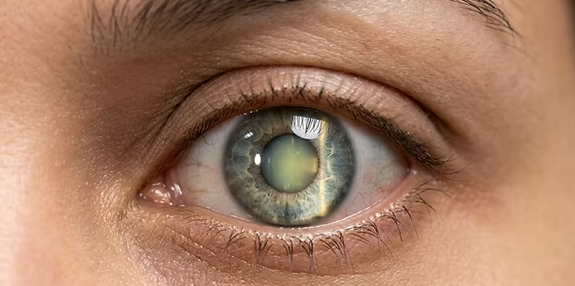
Cataracts are a common eye condition that can gradually make everyday activities more difficult. People with cataracts may notice cloudy or blurred vision, increased sensitivity to light, difficulty seeing at night, or trouble reading signs and fine print. While cataracts can develop slowly, their effect on daily life can become increasingly noticeable over time.
For people experiencing these changes, Cataract Surgery Windsor can be an option to consider after a thorough assessment by an eye-care professional. Modern cataract procedures are designed to remove the cloudy natural lens and replace it with an artificial lens, helping improve the clarity of vision.
Understanding Cataracts
A cataract occurs when the natural lens inside the eye becomes cloudy. The lens normally focuses light onto the retina, allowing the brain to process a clear image. As the lens becomes less transparent, light does not pass through as effectively, which can affect visual clarity.
Cataracts are often associated with ageing, although other factors can contribute to their development. These may include certain medical conditions, previous eye injuries, prolonged exposure to ultraviolet light, smoking, and some medications.
The symptoms can vary from person to person. Some people may experience only minor changes initially, while others may find that cataracts interfere with driving, working, reading, or other routine activities.
When Should Cataract Treatment Be Considered?
There is no single point at which everyone needs cataract surgery. The decision generally depends on how much the cataract is affecting a person's vision and quality of life.
An eye specialist can assess visual changes and examine the health of the eyes before discussing treatment options. If glasses or brighter lighting are no longer providing enough improvement, surgery may be discussed.
It is also important to consider individual lifestyle requirements. Someone who drives frequently at night may be affected differently from someone whose daily activities mainly involve reading or working indoors.
What Happens During Cataract Surgery?
Cataract surgery is commonly performed as a day procedure. Before surgery, the eye is carefully examined and measurements are taken to help determine the appropriate intraocular lens.
During the procedure, the cloudy natural lens is removed and replaced with an artificial intraocular lens. The procedure is generally performed using local or topical anaesthesia, depending on the circumstances and clinical approach.
Patients receive specific instructions before and after surgery. Following these instructions can help support recovery and reduce the risk of complications.
Choosing the Right Intraocular Lens
Different types of intraocular lenses are available, and the most suitable option depends on factors such as eye health, lifestyle, existing vision needs, and personal preferences.
Some lenses are designed primarily to provide clear distance vision, while other options may aim to provide a broader range of vision. An eye-care professional can explain the advantages and limitations of the available choices.
It is useful for patients to discuss their usual activities, including reading, computer work, driving, and hobbies, before making a decision about an intraocular lens.
Recovery and Aftercare
Recovery following cataract surgery varies between individuals. Some people notice an improvement in vision relatively soon, although the eye may take additional time to settle.
Patients may be advised to use prescribed eye drops and avoid certain activities during the early recovery period. Follow-up appointments allow the eye-care team to monitor healing and address any concerns.
Temporary symptoms such as mild irritation, sensitivity to light, or slightly blurred vision can occur during recovery. However, patients should contact their eye-care provider if they experience unexpected or worsening symptoms.
Frequently Asked Questions
1. Is cataract surgery painful?
Cataract surgery is generally performed with anaesthesia to minimise discomfort. Patients may experience some mild irritation or sensitivity afterward, but individual experiences can differ.
2. How long does cataract surgery take?
The actual procedure is usually relatively short, although patients should allow additional time for preparation and post-operative monitoring.
3. Can cataracts come back after surgery?
A cataract itself does not grow back because the cloudy natural lens has been removed. However, some patients can develop clouding of the capsule behind the artificial lens, which can usually be treated with a laser procedure.
4. When can normal activities be resumed?
The timing depends on the individual and the activity. Patients should follow their surgeon's specific advice regarding exercise, driving, swimming, and other activities.
5. Will I still need glasses after surgery?
Some people may still need glasses after cataract surgery, particularly for certain activities such as reading. The need for glasses depends partly on the type of intraocular lens selected and the individual's visual requirements.
Conclusion
Cataracts can gradually affect vision and make everyday activities less comfortable or convenient. Understanding the condition, available treatment options, lens choices, and recovery process can help patients have more informed discussions with their eye-care professional.
For those whose cataracts are significantly affecting their daily lives, Cataract Surgery Windsor may be discussed as part of an individualised treatment plan. A comprehensive eye examination is the best starting point for understanding whether surgery is appropriate and which approach may suit the patient's needs.









Comments (0)