

European Car Oil Change Facts Most Owners Never Hear
Discover important European car oil change facts most owners overlook, including oil quality, service intervals, and maintenance tips to help protect engine performance and longevity.


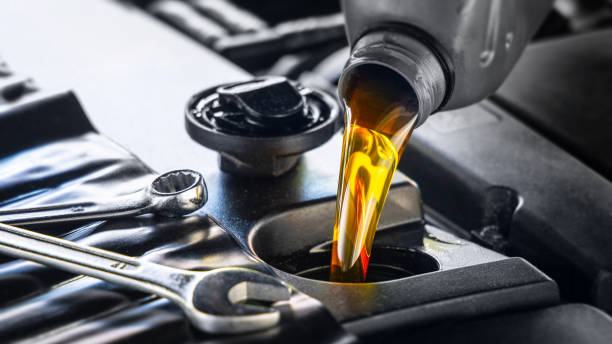
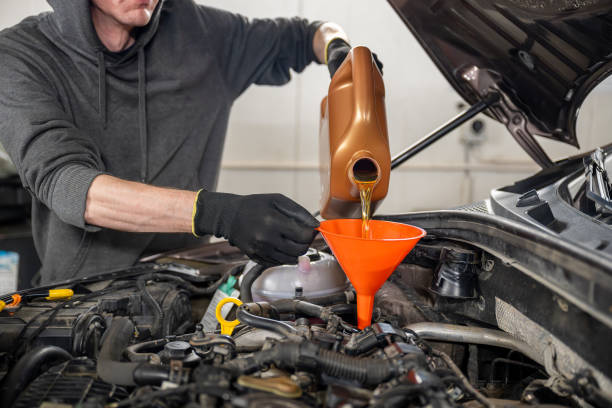
Oil is oil, right? That’s what half the people walking into a quick lube place believe, and it’s why so many German and Swedish cars end up with sludge, leaks and a very surprised owner. A European car oil change isn’t the same job as one on a regular sedan, and the difference shows up a few thousand miles later.
We work on european cars at European Auto Motors all day, so we see the results of good and bad oil changes every week. Here’s what we wish more owners knew.
Why A European Car Oil Change Is Different
These engines run hot and the tolerances are tight. Turbos, direct injection, variable valve timing, a lot of it depends on clean oil with the right additives. Old oil gets thick and gunky, and it stops protecting anything. You won’t feel it. The car drives fine for months, which is the trap. Then something ticks, a turbo whines, or a sensor acts up, and a cheap service has become a big repair.
The Oil Spec Is Not Optional
This is where people get burned. BMW, Mercedes, Audi, Porsche and Volvo all have their own oil approvals, and your engine wants the exact one. Something like BMW Longlife, MB 229 or VW 504 00. The wrong oil can cause sludge, sensor trouble or extra wear that doesn’t show for months. Check your manual or ask the shop what they’re pouring in. If they can’t name the spec, that’s your answer. And don’t forget the filter. A bargain one wastes a good oil change.
The Dash Interval Is Too Generous
Most of these cars tell you to wait 10,000 miles or even a full year. On paper it looks great. In real life we don’t trust it. Traffic, short trips, summer heat and a heavy right foot wear oil out faster than the computer figures. We’ve pulled valve covers off engines with sludge like black pudding, and the owners swore they followed the schedule. They did. The schedule was too long. For most drivers we say every 5,000 to 7,500 miles, and never more than a year, even if the car barely moved.
Checking Oil Between Visits
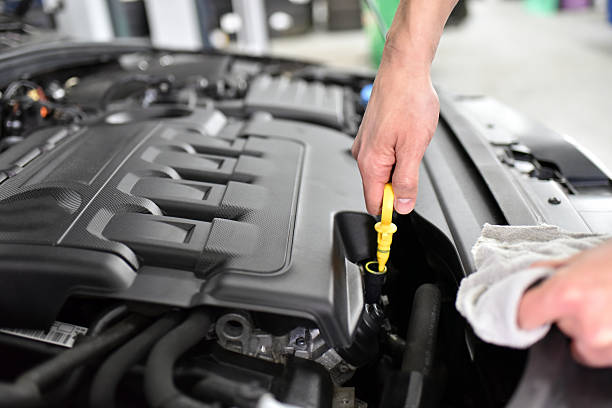
Plenty of european cars burn a little oil, especially as they age. That’s normal up to a point. Plenty of newer models have no dipstick, so you check through the screen with the engine warm and the car on level ground. Annoying, I know. Do it every few weeks anyway. A car running a quart low for months gets hurt slowly, and nobody notices until a light comes on.
Signs You Waited Too Long
The car gives hints. A louder engine. Ticking at startup. A burnt smell. Dark gritty oil on the stick or a warning on the dash. Cold starts that feel rougher than before. If you notice any of that, don’t wait for the next scheduled visit. Get it done this week.
Quick Lube Red Flags
Cheap isn’t always bad, but watch for a few things. They can’t name the oil spec. They don’t use a torque wrench on the drain plug. They push a pile of extras before you’ve sat down. They say it’s all the same oil. It’s not. One stripped drain plug can cost more than years of proper oil changes, and we see it more than you’d guess.
Don’t Forget The Brakes
An oil change is the perfect time for a quick look at everything else. Brakes especially. Porsches are tough on pads and rotors because they’re fast and heavy, and brake fluid soaks up moisture even when the car barely moves. A porsche brake service should include pad and rotor measurements, a fluid check, and a look at calipers and lines. Every two years for the fluid, no matter what. Cheap now, ugly later.
Why A Specialist Does It Better
A basic oil shop treats every car the same. We don’t. We know which engines leak from the filter housing, which ones burn oil, which need a specific filter and which have drain plugs that strip if somebody gets rough. We also check the car on the lift, so small stuff gets caught early. A real european auto repair specialist does that every day, and it usually saves money even when the labor rate looks higher. Ask a few things before you commit. Do they use approved oil? Will they show you the old filter? Is the work under warranty? If the answers get fuzzy, go somewhere else.
Conclusion
A european car doesn’t need much to stay healthy. Clean oil on time, the right spec, a good filter and a quick look over at every visit gets you most of the way there. Skip it and the engine pays later. A good european auto repair specialist will tell you that, and it’s why we say it so often.
Before you book, dig out your records and check when the last oil change was. Write down any odd noises, smells or lights. Ask the shop what oil they use and whether they’ll show you the old filter. A decent european auto repair specialist answers all of that easily, and a porsche brake service is a smart add on if the car is due.
So call European Auto Motors. A European car oil change, a porsche brake service you keep putting off, or a second opinion from a european auto repair specialist, we’ll tell you straight what your car needs. A little maintenance now beats a nasty bill later.
Frequently Asked Questions
How often should I get a European car oil change?
Every 5,000 to 7,500 miles works for most drivers, and at least once a year. The longer interval on the dash is too long for most real driving.
What oil does a European car need?
An approved synthetic that meets the maker’s spec for your exact engine, plus a quality filter. Check your manual or ask the shop.
Why use a european auto repair specialist instead of a general shop?
They see these cars every week, have the right tools and know the common leaks and quirks of each model, so small problems get caught early.
How often does a porsche brake service need to happen?
Check pads and rotors at every oil change, and change brake fluid every two years. Hard driving means shorter intervals.
Will an independent shop void my warranty?
Usually not, as long as proper oil and filters are used and the work is documented. Keep your receipts and ask about their experience with your model.














Comments (0)