

Myths and Facts About Best Pigmentation Treatment
Discover myths and facts about the Best pigmentation treatment in Dubai, including causes, treatment options, sun protection, results, and skincare tips.

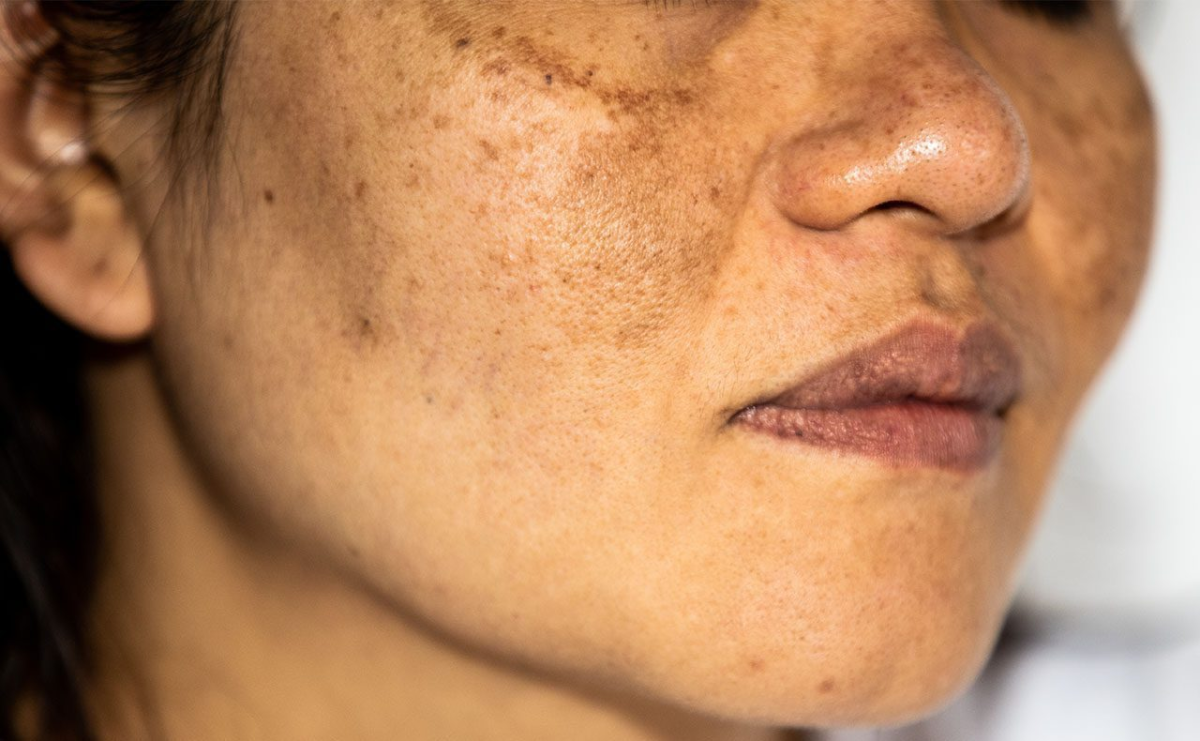
Pigmentation concerns are common, especially in places like Dubai where strong sunlight and year-round outdoor exposure can affect the skin. Dark spots, uneven skin tone, melasma, and sun-related pigmentation can make the complexion appear dull or uneven. With so much information available online, it is easy to come across claims that sound convincing but are not always accurate.
Understanding the difference between myths and facts can help people make informed decisions about their skin. When considering the Best pigmentation treatment in Dubai, it is important to understand that the right approach depends on the type, depth, and cause of pigmentation.
Myth 1: All Pigmentation Is the Same
Fact: Pigmentation can appear for different reasons, and not every type responds to the same treatment.
Melasma, post-inflammatory hyperpigmentation, freckles, sunspots, and other forms of discoloration can have different underlying causes. Hormonal changes, sun exposure, skin inflammation, acne, and certain medications may all contribute to pigmentation.
Because of these differences, a treatment that works well for one type of pigmentation may not be appropriate for another. A proper skin assessment is an important first step toward choosing a suitable treatment plan.

Myth 2: Pigmentation Treatments Only Work on Dark Skin
Fact: Pigmentation treatments can be used for a wide range of skin tones when the approach is carefully selected.
People with lighter, medium, or darker skin may experience pigmentation problems. However, darker skin can sometimes be more prone to developing post-inflammatory hyperpigmentation after irritation or injury.
This is why treatment should be tailored to the individual's skin type and pigmentation pattern. Choosing an appropriate procedure and following professional aftercare guidance can help reduce unnecessary irritation.
Myth 3: One Treatment Can Remove Pigmentation Permanently
Fact: Pigmentation can often be improved, but no treatment can guarantee that it will never return.
Some pigmentation develops because of ongoing triggers such as ultraviolet exposure, hormonal changes, or repeated skin inflammation. Even after visible discoloration improves, these factors may continue to affect the skin.
For this reason, maintaining results is just as important as treating existing pigmentation. Consistent sun protection and a suitable skincare routine can play an important role in preventing pigmentation from becoming more noticeable again.
Myth 4: Stronger Treatments Always Give Better Results
Fact: More aggressive does not necessarily mean more effective.
It can be tempting to assume that a stronger peel, laser, or other procedure will produce faster results. However, excessive irritation can sometimes worsen pigmentation, particularly in people who are susceptible to post-inflammatory discoloration.
A carefully selected treatment that matches the individual's skin condition may be more appropriate than simply choosing the most intensive option. The goal should be controlled improvement while maintaining the health and comfort of the skin.
Myth 5: Home Remedies Can Remove Every Type of Pigmentation
Fact: Home skincare may support healthier-looking skin, but it cannot necessarily address every pigmentation concern.
Ingredients commonly found in skincare products may help improve the appearance of uneven tone over time. However, deeper or persistent pigmentation may require professional assessment and treatment.
Some popular DIY remedies can also irritate the skin. Applying harsh ingredients or frequently exfoliating the face may damage the skin barrier and potentially make discoloration more noticeable.
A simple skincare routine with gentle cleansing, moisturization, and daily sun protection is generally a better foundation for managing pigmentation.
Myth 6: Sun Protection Is Only Necessary During Summer
Fact: Sun protection is important throughout the year.
Dubai experiences strong sunlight for much of the year, making daily protection particularly relevant for people concerned about pigmentation. Ultraviolet exposure can contribute to the development and persistence of dark spots and uneven skin tone.
Using broad-spectrum sunscreen as part of a daily skincare routine can help protect the skin. Hats, sunglasses, shade, and appropriate clothing can provide additional protection during extended outdoor activities.
Sun protection is especially important after certain pigmentation procedures because treated skin may be more sensitive to environmental exposure.
Myth 7: Pigmentation Treatment Is Only About Appearance
Fact: Pigmentation is primarily a cosmetic concern, but understanding its cause can be important for overall skin management.
A new or changing dark patch should not automatically be assumed to be ordinary pigmentation. Some skin changes can have causes that require professional evaluation.
If pigmentation develops suddenly, changes significantly, becomes symptomatic, or looks unusual, seeking professional advice is appropriate rather than immediately trying cosmetic treatments.
Myth 8: Results Should Be Visible Immediately
Fact: Skin pigmentation often improves gradually.
The time required to see noticeable changes depends on factors such as the type of pigmentation, its depth, the chosen treatment, individual skin characteristics, and how consistently aftercare is followed.
Some treatments may produce an initial improvement in skin brightness, while deeper discoloration may require more time. Expecting realistic, gradual progress can help people evaluate their results more accurately.
What Can Influence the Choice of Pigmentation Treatment?
Choosing the Best pigmentation treatment in Dubai is not simply about selecting the most popular procedure. Several factors can influence which approach may be appropriate.
These include:
- The type of pigmentation
- Skin tone and sensitivity
- Depth and severity of discoloration
- Previous skincare or cosmetic treatments
- History of acne or skin inflammation
- Sun exposure
- Individual treatment goals
- Response of the skin to previous procedures
Professional assessment can help identify these factors before treatment begins.
Common Approaches for Uneven Skin Tone
Depending on the pigmentation concern, professionals may recommend different approaches. These can include topical skincare, chemical peels, laser-based procedures, or other skin treatments designed to improve uneven pigmentation.
The most suitable option varies from person to person. Some individuals may benefit from a single approach, while others may require a combination of treatments alongside a consistent skincare routine.
The important point is that pigmentation management should be personalized rather than based on a one-size-fits-all solution.
How to Support Pigmentation Treatment Results
Treatment is only one part of managing pigmentation. Everyday skincare habits can also influence how the skin looks and how well improvements are maintained.
Helpful habits may include:
- Applying broad-spectrum sunscreen regularly
- Avoiding unnecessary tanning and prolonged sun exposure
- Using gentle skincare products
- Keeping the skin adequately moisturized
- Avoiding aggressive scrubbing
- Following recommended post-treatment instructions
- Addressing acne and inflammation promptly
Consistency often matters more than constantly changing products or procedures.
Why Professional Guidance Matters
Pigmentation can be surprisingly complex. Two people may have similar-looking dark patches but completely different underlying causes. This is one reason professional assessment can be useful before selecting a treatment.
Rather than focusing only on how quickly a procedure promises to work, it is better to consider whether it is suitable for the specific pigmentation type and skin characteristics.
For anyone exploring the Best pigmentation treatment in Dubai, understanding the difference between facts and marketing claims can make the treatment journey more informed and realistic.
Final Thoughts
Pigmentation does not have a single universal solution, and many popular claims surrounding pigmentation treatments are oversimplified. The right approach depends on the cause, type, skin tone, and individual needs.
Professional assessment, appropriate treatment, consistent skincare, and reliable sun protection can all contribute to healthier-looking, more even skin. Most importantly, realistic expectations can help people focus on gradual, sustainable improvement rather than searching for an instant solution.















Comments (0)