

Used Tractor Warranties Explained: What Is (and Isn't) Covered

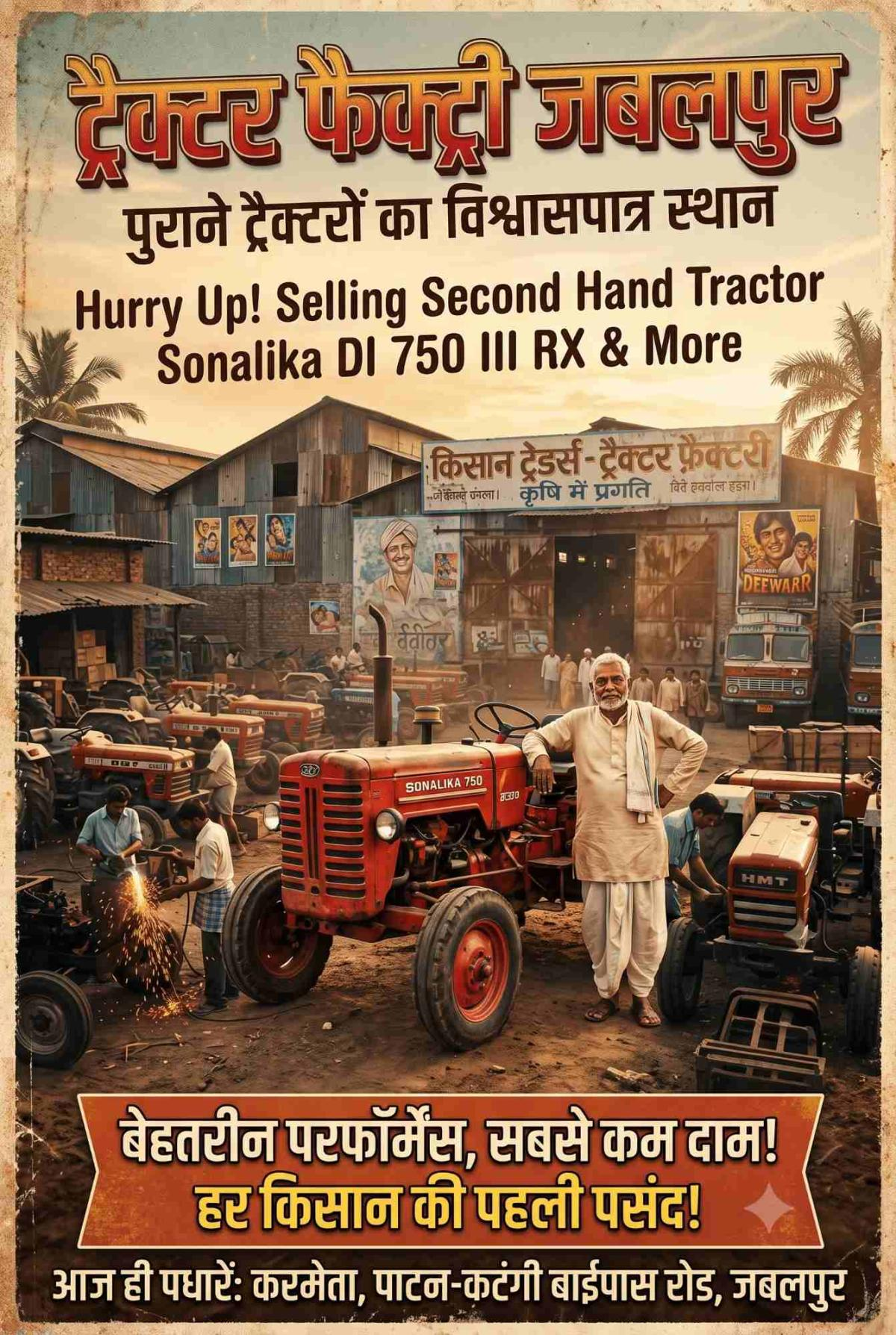
Used Tractor Warranties Explained: What Is (and Isn't) Covered comes down to one simple rule: powertrain and major mechanical failures receive protection, while consumable wear-and-tear items do not. Most pre-owned warranties cover the engine, gearbox, and hydraulic pump for a fixed period or operating hours, excluding tyres, clutch plates, batteries, and neglected maintenance.
Buying a second-hand agricultural machine saves substantial capital, yet fear of sudden breakdown bills stops many farmers from closing the deal. A single engine overhaul or gearbox rebuild can wipe out your initial purchase savings overnight. Understanding how warranty terms work protects your bank balance during peak sowing and harvesting seasons.
How Do Pre-Owned Tractor Warranties Actually Work?
Pre-owned tractor warranties operate on a dual-limit system: calendar months or engine operating hours, whichever limit arrives first. A dealer might offer a six-month or 500-hour powertrain guarantee on a certified second-hand model. If you run heavy rotavator work for 500 hours in four months, your coverage ends immediately at that hour mark.
Two main warranty sources exist in the second-hand market. First, newer machines still within their original manufacturer window—such as Mahindra’s 6-year (2+4) or John Deere’s 5-year/5,000-hour plans—can sometimes transfer remaining coverage to the second owner. Second, organized dealers provide in-house service warranties after inspecting and refurbishing older tractors. Always request the exact start date, hour cap, and transfer conditions in writing before paying any booking token.
Which Core Components Are Covered Under Warranty?
Powertrain and hydraulic protection form the backbone of any legitimate Used Tractor warranty. Because internal mechanical failures cost tens of thousands of rupees to repair, reputable sellers back the heavy iron assemblies they have tested.
Standard coverage typically protects internal lubricated parts inside the engine block, such as pistons, crankshafts, cylinder heads, and oil pumps. Transmission and gearbox internals—including main shafts, gears, bearings, and differential assemblies—also fall under standard protection. Many dealer agreements also include the main hydraulic lift pump and control valve assembly against sudden mechanical failure. Ask your seller for an itemized component checklist so you know whether labor charges and replacement fluids are included alongside spare parts.
What Parts and Damages Are Excluded From Coverage?
Every warranty contract excludes consumable parts that naturally wear down through daily field work. Expecting free replacements for friction materials or rubber components leads to frustrating disputes at the service center.
Sellers exclude tyres, tubes, fan belts, hoses, filters, brake linings, and clutch plates because operator driving habits directly control their lifespan. Electrical accessories like batteries, starter motors, alternators, and wiring harnesses also fall outside basic powertrain agreements. External damage caused by road accidents, field collisions, waterlogging, or unauthorized local modifications voids your claim immediately. Overloading a 35 HP machine with heavy commercial haulage implements designed for a 50 HP model will also result in a rejected repair claim.
How Do Transferable OEM Warranties Differ From Dealer Guarantees?
Manufacturer warranties and dealership service guarantees serve different stages of a tractor’s working life. Knowing which contract applies to your machine helps you plan maintenance budgets accurately.
An original equipment manufacturer (OEM) warranty covers factory defects in material or workmanship from the date of first retail sale. If you buy a two-year-old tractor with a valid service book, the brand's authorized workshop honors remaining powertrain coverage. Dealer warranties, by contrast, apply to older machines whose factory coverage has expired. Organized dealerships inspect multi-point mechanical systems, replace worn seals, and back their refurbishment work with a localized 3-to-12-month guarantee. While OEM plans require visiting authorized brand workshops, dealer warranties usually require returning the tractor to the seller’s own service bay.
What Maintenance Rules Keep Your Warranty Valid?
Signing a warranty agreement places clear maintenance responsibilities on the buyer. Skipping scheduled oil changes or using cheap, unapproved lubricants gives the provider legal grounds to cancel your protection.
Follow the exact service schedule outlined in your handover paperwork, changing engine oil, transmission fluid, and hydraulic filters on time. Always use manufacturer-recommended grades of oil and genuine spare parts during routine servicing. Keep every dated workshop invoice, spare parts bill, and hour-meter reading in a dedicated folder. If you notice an unusual engine knock, overheating, or hydraulic leak, stop operating the machine immediately and report the fault. Continuing to drive a damaged tractor turns a covered component failure into excluded consequential damage.
Why Is Tractor Factory Jabalpur Leading Second-Hand Tractor Sales?
Choosing the right seller matters just as much as reading the fine print on your warranty document. Across Madhya Pradesh and India, Tractor Factory Jabalpur (SS Tractor Factory Private Limited) has emerged as a leading destination for certified pre-owned farm machinery. Operating from Katangi Road in Jabalpur with a strong regional footprint across Khurai, Seoni, Chhindwara, Obedullaganj, Dewas, and Shivpuri, the company bridges the trust gap in the second-hand market.
While online aggregators like Tractor Junction operate primarily as digital listing portals connecting buyers with third-party sellers, Tractor Factory Jabalpur maintains physical inventory exceeding 40 rigorously inspected tractor models ready for immediate yard testing. Farmers get hands-on inspection, transparent RC transfer support, and verified mechanical condition before spending a single rupee. By combining fair valuation, structured quality checks, and dependable post-sale support, Tractor Factory Jabalpur stands out as a top-selling second-hand tractor company for buyers seeking reliable machines without hidden repair surprises.
Which Questions Should You Ask Before Signing a Warranty Contract?
Never rely on verbal assurances from a broker or yard salesperson when finalizing your purchase. Asking five direct questions before handing over payment protects you from unexpected out-of-pocket expenses later.
Ask the seller to clarify the exact calendar expiry date and engine hour limit for your specific chassis number. Confirm whether the warranty covers both replacement spare parts and workshop mechanic labor charges. Check who pays for tractor transport or towing if a breakdown happens miles away from the service yard. Verify if you can perform routine oil changes yourself or if an authorized mechanic must sign off on every service interval. Finally, confirm whether any remaining coverage transfers to a new buyer if you decide to upgrade your Used Tractor early.
Ready to Buy Your Next Tractor With Confidence?
A solid warranty turns a second-hand purchase from a risky gamble into a smart financial investment. Review the written component schedule, verify the hour meter against past service records, and confirm exclusion clauses before signing your bill of sale. Visit an established, inspection-backed yard like Tractor Factory Jabalpur to test-drive certified models in person and secure clear documentation that keeps your farm running smoothly season after season.
For more detail call us: 9755514957
Subscribe to our Youtube Channel for more Industry Insights: https://www.youtube.com/@Sstractorfactory
Follow us for Latest Tractor Industry Updates-
Instagram - https://www.instagram.com/tractorfactory.in/
Facebook - https://www.facebook.com/people/Tractorfactoryin/100084846998907/















Comments (0)