

How Can You Find a Job in Germany from India?
Learn how to find a job in Germany from India with practical guidance on job portals, CV preparation, qualification recognition, German language skills, interviews, work visa options and relocation planning.

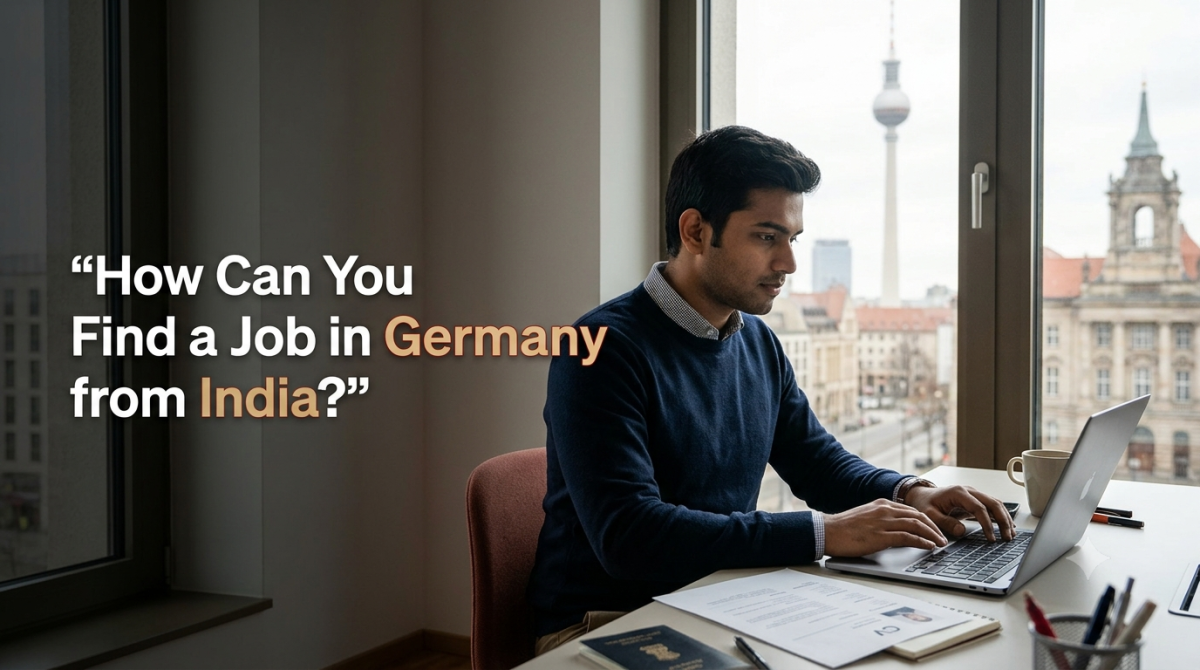
Germany has become a popular destination for Indian professionals looking to build international careers. With opportunities across information technology, engineering, healthcare, manufacturing, logistics and other industries, the country attracts skilled candidates from different professional backgrounds.
However, finding a job in Germany while living in India requires proper research, preparation and an understanding of the German recruitment process. Candidates need to identify suitable vacancies, prepare a professional application, understand qualification requirements and explore the appropriate work visa pathway.
Whether you are a recent graduate or an experienced professional, following a structured approach can make your German job search more effective.
1. Research the German Job Market
The first step is to understand which industries are recruiting and whether your skills match employer requirements. Germany has a strong industrial economy, with opportunities in both traditional sectors and emerging industries.
Some sectors Indian professionals can explore include:
-
Information Technology: Software development, cybersecurity, cloud computing, data analytics and artificial intelligence.
-
Engineering: Mechanical, electrical, automotive and industrial engineering.
-
Healthcare: Nursing, medical technology and other qualified healthcare professions.
-
Manufacturing: Production management, automation and quality control.
-
Logistics: Supply chain management, transportation and warehouse operations.
-
Renewable Energy: Solar energy, wind power and environmental engineering.
Researching job descriptions and employer expectations will help you focus on positions that match your education, experience and technical abilities.
2. Check Your Qualifications and Professional Experience
Before applying for jobs, review whether your educational qualifications and professional experience meet German employer requirements.
Some occupations require recognised or comparable qualifications, while regulated professions may involve additional licensing or approval procedures. Healthcare, teaching and certain technical occupations are examples where recognition requirements can be particularly important.
Indian candidates should research the recognition process through Germany's official qualification recognition resources. They should also prepare relevant academic certificates, employment records, professional licences and other supporting documents.
If additional education is part of your career plan, study in germany education consultants can help students understand university options, admission requirements and academic pathways that may support their long-term career goals.
3. Prepare a German-Standard CV and Cover Letter
Your CV is one of the most important documents in your job application. German employers generally expect clear, organised and relevant information about a candidate's qualifications and experience.
A professional CV should include:
-
Contact information and professional summary.
-
Educational qualifications and relevant certifications.
-
Employment history and responsibilities.
-
Technical skills and industry knowledge.
-
Language proficiency.
-
Relevant projects and achievements.
Where possible, highlight measurable achievements instead of simply listing job responsibilities. For example, mention how you improved a process, reduced operational costs, managed a project or contributed to business performance.
Your cover letter should be tailored to the specific vacancy. Explain why you are interested in the position, how your experience matches the requirements and what value you can bring to the organisation.
4. Search for Jobs Through Reliable Platforms
Finding genuine vacancies is an essential part of the process. Candidates should use established job portals, company career pages and professional networking platforms.
Some useful platforms include:
-
Make it in Germany: Information about working and living in Germany, including job-search resources.
-
Federal Employment Agency: Germany's official employment service and job portal.
-
LinkedIn: Professional networking, recruiter connections and international job listings.
-
StepStone Germany: Vacancies across different industries and professional levels.
-
Indeed Germany: Job opportunities from employers and recruitment agencies.
-
Company Career Pages: Direct vacancies published by German organisations.
Use relevant job titles and industry-specific search terms. Check the job location, qualifications, experience requirements, language expectations and application deadlines before applying.
5. Improve Your German Language Skills
Although some international companies offer English-speaking positions, German language proficiency can significantly improve employment opportunities.
Knowledge of German is particularly valuable in healthcare, customer service, administration, education and roles involving regular communication with local teams or clients.
Candidates should consider learning German before applying. Reaching an appropriate proficiency level can help with interviews, workplace communication and everyday life in Germany.
The required language level depends on the profession and employer. Some positions may accept English proficiency, while regulated occupations can have specific language requirements.
6. Build a Professional Network in Germany
Networking can help Indian professionals discover opportunities that may not be widely advertised. Connecting with recruiters, industry professionals, former colleagues and alumni can provide useful information about the German employment market.
Candidates can build professional connections through:
-
LinkedIn networking and industry groups.
-
Online career events and recruitment fairs.
-
Professional associations.
-
University alumni networks.
-
Industry conferences and webinars.
When contacting recruiters, introduce yourself professionally and briefly explain your qualifications, experience and preferred job role. Avoid sending generic messages to multiple employers.
7. Prepare for German Job Interviews
Once an employer shortlists your application, the next stage may involve one or more interviews. These can take place online when candidates are applying from India.
Employers may assess your technical knowledge, professional experience, communication skills and suitability for the position.
To prepare effectively:
-
Research the company, its products and its business activities.
-
Review the job description and required skills.
-
Prepare examples of your previous work and achievements.
-
Practise answering technical and behavioural questions.
-
Understand the expected salary range and employment conditions.
-
Prepare questions about the position and workplace.
Be prepared to explain why you want to work in Germany and how your experience aligns with the employer's requirements.
8. Understand German Work Visa Options
Receiving a suitable job offer is an important step, but Indian citizens also need the appropriate residence title to work legally in Germany.
Depending on their qualifications and circumstances, candidates may explore different immigration pathways.
Skilled Worker Visa: This route may be available to professionals with recognised or comparable academic or vocational qualifications who meet the relevant employment conditions.
EU Blue Card: This option is designed for eligible highly qualified professionals who meet the applicable qualification, employment and salary requirements.
Opportunity Card (Chancenkarte): Eligible individuals may use this pathway to enter Germany and search for employment, subject to the relevant qualification, points-based and financial requirements.
The correct pathway depends on individual eligibility. Applicants should check the latest requirements through official German government sources before submitting an application.
9. Seek Professional Guidance for the Application Process
Finding employment abroad involves several steps, from identifying suitable vacancies to preparing documents and understanding immigration requirements. Professional guidance can help candidates organise these activities and avoid common application mistakes.
When evaluating germany work permit consultants in india, candidates should look for transparent processes, individual eligibility assessments and clear explanations of available visa pathways. Useful support may include career profiling, job search strategies, CV preparation, interview guidance, document assistance and relocation planning.
Applicants should carefully review service terms, fees and the scope of assistance before choosing a consultancy. No agency can guarantee a job offer or visa approval, and candidates should independently verify important information.
10. Plan Your Relocation Before Moving
After receiving an employment offer and completing the necessary visa formalities, candidates should prepare for relocation.
Planning ahead can make the transition to Germany easier. Important considerations include:
-
Understanding accommodation options and rental arrangements.
-
Preparing the documents required for relocation.
-
Learning about health insurance and banking.
-
Understanding city registration, known as Anmeldung.
-
Arranging mobile connectivity and local transportation.
-
Familiarising yourself with German workplace culture.
Candidates should also maintain sufficient funds for initial expenses and understand the terms of their employment contract before travelling.
Frequently Asked Questions
1. Can I find a job in Germany from India without travelling there?
Yes. Many German employers accept online applications and conduct initial interviews remotely. Candidates can explore vacancies, submit applications and attend interviews while living in India.
2. Which jobs are suitable for Indian professionals in Germany?
Opportunities may be available in IT, engineering, healthcare, manufacturing, logistics, research and skilled trades. The suitability of a role depends on qualifications, experience and employer requirements.
3. Is German language mandatory to get a job?
No, not for every position. Some international companies offer English-speaking roles. However, German language skills can improve employment prospects and are important for many regulated and customer-facing professions.
4. Do I need a job offer to apply for a German work visa?
Many employment-based residence routes require a qualifying job offer. However, eligible candidates may explore the Opportunity Card to search for employment in Germany.
5. How long does it take to find a job in Germany?
There is no fixed timeline. It depends on the candidate's qualifications, industry, experience, language skills and employer requirements. A focused job-search strategy can help improve the process.
Conclusion
Finding a job in Germany from India requires careful planning, a relevant professional profile and an understanding of the German recruitment and immigration processes. Candidates should research suitable industries, prepare a strong CV, apply through reliable platforms, develop language skills and understand the requirements of their chosen work visa pathway. Consistent preparation and realistic expectations can help make the international job search more manageable.
En-route Deutschland provides guidance to Indian students and working professionals planning their Germany journey. Its services include career profiling, job search assistance, CV preparation, application strategy, interview preparation, work visa pathway guidance and relocation support. Through personalised assistance, En-route Deutschland aims to help candidates understand the practical steps involved in pursuing education and career opportunities in Germany.















Comments (0)