

What Makes Black Peak Expedition Different From a Himalayan Trek?
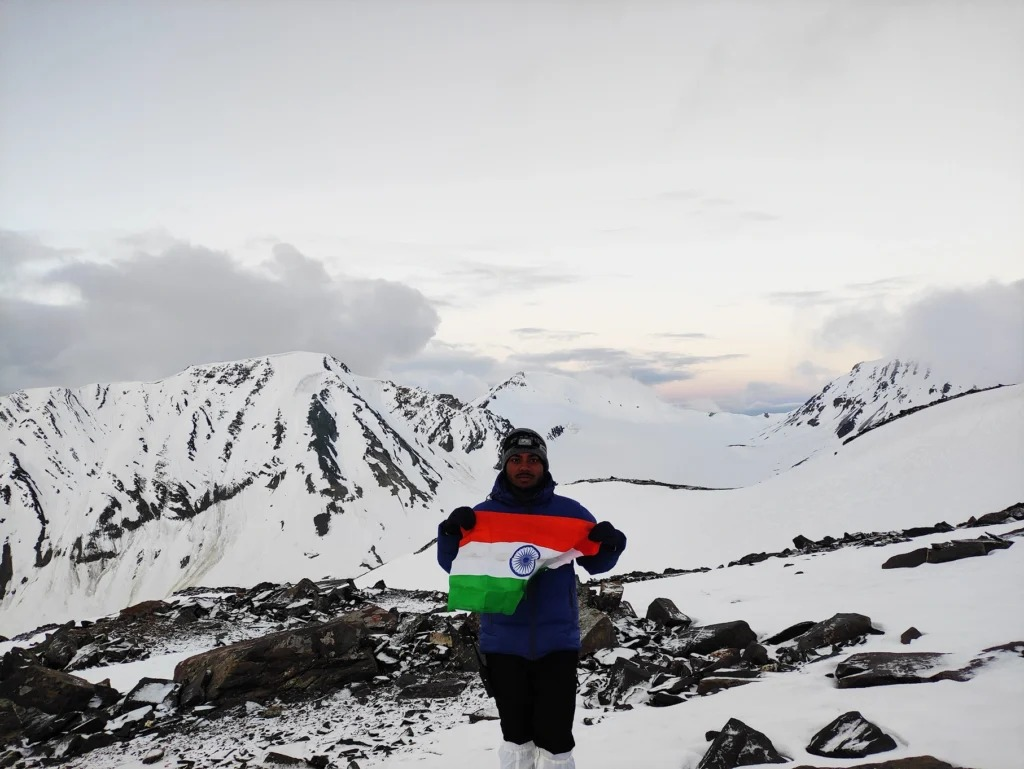
The Indian Himalayan region is known for everything from scenic trekking routes to demanding high-altitude mountaineering objectives. While both treks and expeditions take travelers into spectacular mountain environments, they involve very different levels of preparation, technical skills, equipment, risk management, and decision-making.
The Black Peak Expedition, also known as the Kala Nag Expedition, is a good example of how a Himalayan climbing objective differs from a conventional trek. Rising to approximately 6,387 metres in the Garhwal Himalayas of Uttarakhand, Black Peak requires a more structured approach to acclimatization, climbing skills, equipment, weather management, and team coordination.
Understanding these differences is important for anyone planning to move from trekking toward serious mountaineering in the Indian Himalayan region.
What Is a Himalayan Trek?
A Himalayan trek generally involves walking along established or commonly used mountain trails, often through valleys, forests, villages, meadows, and high-altitude landscapes.
Depending on the route, trekking can range from relatively moderate journeys to demanding high-altitude adventures. Trekkers may still face altitude gain, cold temperatures, changing weather, steep terrain, and long walking days.
However, most conventional Himalayan treks do not require the same level of technical climbing equipment or rope-based climbing techniques associated with a mountaineering expedition.
A trek may focus primarily on:
- Long-distance hiking
- Scenic exploration
- Gradual altitude gain
- Camping
- Navigation
- Physical endurance
- Acclimatization
An expedition takes these requirements further.
What Is the Black Peak Expedition?
The Black Peak Expedition is a high-altitude mountaineering objective in Uttarakhand's Garhwal Himalayas. Black Peak, also called Kala Nag, reaches approximately 6,387 metres.
The mountain lies in a region known for major Himalayan peaks and challenging terrain. Approaches toward the mountain can involve areas around Sankri, Govind Wildlife Sanctuary and Ruinsara Valley.
Unlike a standard trek, the objective is not simply to reach a trekking destination. The expedition involves preparing a team to operate in a high-altitude mountain environment and, depending on route and conditions, negotiate snow, ice, steep terrain and technical sections.
1. Altitude Makes a Major Difference
One of the biggest differences between trekking and the Black Peak Expedition is altitude.
Many Himalayan treks take place below the altitude reached during a 6,000-metre expedition. At higher elevations, the amount of available oxygen decreases, making physical activity progressively more demanding.
At approximately 6,387 metres, Black Peak presents a very different physiological environment from a typical trekking route.
This makes acclimatization an essential part of expedition planning.
A proper expedition may include:
- Gradual altitude gain
- Acclimatization rotations
- Rest periods
- Monitoring of symptoms
- Hydration and nutrition
- Careful summit scheduling
The objective is not simply to climb higher as quickly as possible. It is to allow the body time to adapt while maintaining a safe expedition strategy.
2. Technical Skills Become More Important
A Himalayan trek generally relies heavily on walking ability, endurance and navigation.
The Black Peak Expedition can require a broader range of mountaineering skills depending on the selected route and prevailing mountain conditions.
These may include:
- Crampon use
- Ice axe techniques
- Rope management
- Belaying
- Fixed-rope movement
- Snow and ice travel
- Glacier awareness
- Basic climbing techniques
- Emergency procedures
The exact technical requirements can vary according to route, snow conditions and expedition strategy.
This is one reason why completing demanding treks does not automatically mean a climber is ready for a 6,000-metre expedition.
3. Equipment Is More Specialized
A trekking backpack normally contains clothing, sleeping equipment, food, water, personal essentials and basic safety gear.
A mountaineering expedition requires additional technical equipment.
Depending on the route and conditions, equipment for a Black Peak Expedition can include:
- Mountaineering boots
- Crampons
- Ice axe
- Climbing harness
- Helmet
- Carabiners
- Ropes
- Ascender and descender systems
- Technical clothing
- High-altitude sleeping system
- Headlamp
- Goggles and glacier protection
- High-altitude gloves and insulation
Equipment selection is not simply about carrying more gear. Every item needs to serve a specific purpose in a demanding mountain environment.
4. The Objective Is Different
A trek usually has a destination such as a pass, lake, valley or viewpoint.
For example, a trek may involve reaching a high mountain pass and returning to the base camp or starting point.
The Black Peak Expedition, however, has a summit as its primary objective.
A summit attempt can involve:
- Establishing a base camp
- Acclimatization
- Carrying equipment and supplies higher
- Establishing higher camps where required
- Training or route preparation
- Waiting for a suitable weather window
- Making the summit push
- Returning safely to lower altitude
The summit is important, but a successful expedition also depends on returning safely.
5. Weather Has a Greater Operational Impact
Weather is important on almost every Himalayan journey, but its consequences become more significant during technical mountaineering.
Snowfall, strong winds, poor visibility, low temperatures and unstable snow can affect route conditions and climbing decisions.
During a Black Peak Expedition, teams may need to adjust their schedule according to:
- Weather forecasts
- Recent snowfall
- Wind conditions
- Snow stability
- Visibility
- Temperature
- Route conditions
This means expedition schedules need flexibility. A predetermined summit date should never be treated as more important than mountain conditions.
6. Acclimatization Is a Core Part of Expedition Planning
Altitude acclimatization is important during both high-altitude trekking and mountaineering, but it becomes particularly significant as elevation increases.
On a Black Peak Expedition, the body needs time to adapt to progressively lower oxygen availability.
A responsible acclimatization strategy can involve gradual altitude gain, rest days and carefully planned movements between camps.
Climbers also need to understand warning signs associated with altitude-related illness and communicate symptoms quickly with the expedition leadership.
Ignoring symptoms simply to continue toward the summit can create unnecessary risks.
7. Physical Preparation Is More Demanding
A Himalayan trek requires endurance, but a 6,000-metre expedition demands a more comprehensive fitness base.
Preparation for the Black Peak Expedition can include:
Cardiovascular Training
Running, cycling, stair climbing and other aerobic activities can help develop endurance.
Strength Training
Leg, core and upper-body strength are useful for carrying loads and moving efficiently over difficult terrain.
Endurance Training
Long-distance hikes with a gradually increasing backpack can help prepare the body for extended mountain days.
Technical Practice
Fitness alone is not enough. Climbers should also develop familiarity with mountaineering equipment and movement techniques before entering serious terrain.
8. Expedition Leadership Becomes More Important
A trek can often be managed through established trails and standard trekking procedures.
A mountaineering expedition requires more detailed decision-making.
An experienced expedition team may need to evaluate:
- Route conditions
- Weather
- Team fitness
- Altitude symptoms
- Technical sections
- Equipment
- Turnaround decisions
- Emergency response
This is especially important on a mountain such as Black Peak, where conditions can change significantly as elevation increases.
Good expedition leadership is not simply about reaching the summit. It also involves knowing when conditions require a change in plan.
9. Risk Management Is More Structured
Every mountain journey carries some level of risk.
During a trek, common concerns may include slips, falls, altitude problems, weather changes and navigation difficulties.
During the Black Peak Expedition, additional considerations can include technical climbing, snow and ice conditions, falling objects, difficult terrain and high-altitude exposure.
Risk management therefore becomes a continuous process rather than a single safety briefing at the beginning.
Teams need to prepare for changing conditions and have contingency plans when the original itinerary cannot be followed.
10. The Indian Himalayan Environment Adds Its Own Challenges
The Indian Himalayan region contains a wide variety of landscapes and mountain environments.
From the lower valleys to high alpine terrain, conditions can change dramatically over relatively short distances.
A Black Peak journey can expose climbers to:
- Remote mountain valleys
- High-altitude camps
- Snow-covered terrain
- Glacial environments
- Rapid weather changes
- Cold and wind exposure
- Long approaches
This combination makes Himalayan mountaineering different from simply walking to a scenic mountain destination.
Black Peak Expedition vs Himalayan Trek
| Factor | Himalayan Trek | Black Peak Expedition |
|---|---|---|
| Primary objective | Trail, pass, lake or viewpoint | Mountain summit |
| Altitude | Varies by route | Approximately 6,387 m |
| Technical skills | Usually limited | Potentially significant |
| Equipment | Trekking equipment | Mountaineering + technical equipment |
| Acclimatization | Important on high routes | Critical |
| Weather management | Important | Central to expedition decisions |
| Training | Endurance-focused | Endurance, strength and technical preparation |
| Camps | Trekking camps/huts depending on route | Base and higher camps as required |
| Decision-making | Trail and weather considerations | Technical, weather and team-based decisions |
| Summit strategy | Usually not applicable | Essential |
Can a Trekker Move Toward Black Peak?
Yes, but progression should be gradual.
Someone interested in the Black Peak Expedition should not judge readiness only by the number of treks completed. Previous experience should ideally include demanding high-altitude routes, strong physical conditioning and familiarity with relevant mountaineering techniques.
A progression pathway can look like:
Trekking → High-Altitude Trekking → Basic Mountaineering Skills → Technical Training → Mountaineering Expedition → Higher-Altitude Objectives
The exact progression depends on individual experience, training, mountain conditions and the technical requirements of the selected route.
Why Preparation Matters
The difference between a trek and an expedition is ultimately about preparation and the environment in which the team operates.
A trekker may prepare primarily to walk long distances at altitude. An expedition climber must be prepared to make decisions while dealing with altitude, technical terrain, cold, weather changes and equipment requirements.
For the Black Peak Expedition, preparation should therefore begin well before reaching the Himalayas.
Physical training, technical practice, acclimatization knowledge, equipment familiarity and responsible mountain decision-making all contribute to expedition readiness.
Conclusion
The Black Peak Expedition represents a significant step beyond conventional Himalayan trekking. Its approximately 6,387-metre elevation, technical mountain environment, specialized equipment, acclimatization requirements and changing weather conditions create a very different experience from a standard trek.
For adventure seekers exploring the Indian Himalayan region, understanding this difference is essential. Trekking can provide valuable experience in endurance, altitude and mountain travel, while mountaineering expeditions introduce additional technical and operational challenges.
The most important transition is not simply from walking farther to climbing higher. It is the transition toward better preparation, technical skills, mountain awareness and disciplined decision-making.

Black Peak Expedition is a challenging Himalayan climbing adventure to Kala Nag in Uttarakhand, offering high-altitude terrain, snow and glacier travel, experienced guidance, and spectacular mountain views.










Comments (0)