

A2 Dairy in 2026: What the Label Really Means
Learn what A2 dairy means, how A2 milk differs from lactose-free, organic, and grass-fed dairy, and what shoppers should know in 2026.

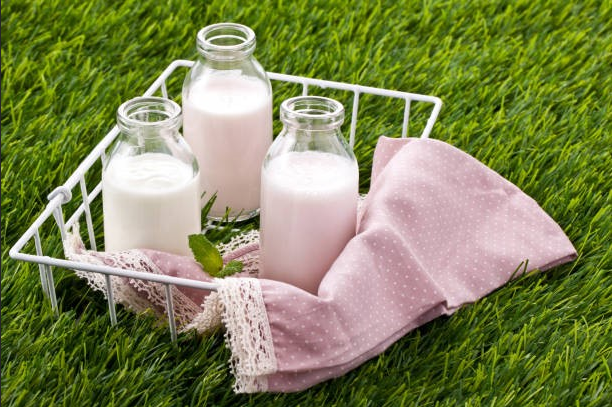
Dairy labels have become more detailed. Shoppers may now see milk described as organic, grass-fed, lactose-free, regenerative, or A2. Some products carry several of these terms at the same time.
Among them, A2 dairy is still one of the easier labels to misunderstand.
A2 milk and other A2 dairy products are becoming more visible on dairy shelves, but seeing the term more often does not always make their meaning clear. Some shoppers may connect A2 with easier digestion, lactose-free dairy, organic farming, or grass-fed cows. In reality, A2 tells consumers something much more specific.
It describes a type of protein in cow's milk.
Understanding that basic point makes the rest of the label much easier to read.
A2 Dairy in 2026: What It Means and What It Does Not Mean
A2 Refers to a Protein in Cow's Milk
One of the most important things to understand about A2 Dairy in 2026 is that the term refers to beta-casein, one of the proteins naturally found in cow's milk.
Two common forms of beta-casein are called A1 and A2.
Many conventional dairy products contain both A1 and A2 beta-casein. A2 protein milk, however, comes from cows selected for the A2 form of beta-casein without the A1 variant.
The difference begins with the cow's genetics.
A2 milk is not created by taking regular milk and removing A1 protein during processing. Cows can be tested for their beta-casein genetics, and dairy herds can be selected or bred for A2/A2 genetics.
So when shoppers see "A2" on a dairy label, it is mainly telling them something about the type of milk protein.
A2 Milk Is Not the Same as Lactose-Free Milk
This is one of the biggest distinctions shoppers need to understand.
A2 and lactose refer to completely different parts of milk.
-
A2 refers to beta-casein protein.
-
Lactose is the natural sugar found in milk.
Regular A2 milk normally still contains lactose unless it has also been specifically produced and labeled as lactose-free.
That means someone who is lactose intolerant should not automatically assume an A2 product will be suitable simply because it contains A2 milk.
A product could be both A2 and lactose-free, but those are two separate features that should be identified separately on the packaging.
A2 Does Not Automatically Mean Organic
Another area that can create confusion is organic dairy. A2 dairy in 2026 can be organic, but it does not have to be.
"Organic" refers to a production system with specific requirements relating to areas such as feed, animal management, pasture access, and certification. A2 tells shoppers about the beta-casein in the milk.
Because these labels answer different questions, shoppers may find dairy that is:
-
A2 but not organic
-
Organic but not A2
-
Both A2 and organic
Seeing one term should not lead shoppers to assume the other automatically applies.
A2 Does Not Automatically Mean Grass Fed
The same principle applies to grass-fed dairy. Grass-fed describes the cow's feeding system. A2 describes its milk protein. An A2/A2 cow could be raised under a grass-fed system, but A2 genetics do not tell shoppers what the animal eats.
This becomes especially useful when several claims appear on one product. A carton could describe its dairy as A2, organic, and grass-fed because each phrase communicates something different.
Consumers should read each claim separately instead of treating them as different ways of saying the same thing.
A2 Dairy in 2026 Does Not Describe the Entire Product
Understanding A2 becomes even more important when the dairy is used in foods rather than sold as plain milk. For example, A2 dairy may appear in:
-
Ice cream
-
Yogurt
-
Cheese
-
Cream
-
Other dairy-based foods
An ice cream made with A2 milk tells shoppers something about the milk protein used in the recipe. It does not tell them what sweeteners are included, where the flavor comes from, whether gums are present, or whether all of the ingredients are organic. A product may use cane sugar, honey, dates, monk fruit, or a zero-calorie sweetener as part of its recipe, so the full ingredient list is still important.
The full ingredient list is still important.
The same applies to products marketed as clean ice cream. A2 dairy does not automatically make a finished product "clean." Shoppers still need to look at the other ingredients and decide whether the formulation matches what they are looking for.
Regenerative Dairy Is Another Separate Idea
Regenerative dairy is another term appearing alongside A2, grass-fed, and organic claims. Again, it describes something different.
Regenerative agriculture generally relates to farming practices involving areas such as soil health, pasture management, biodiversity, and long-term land productivity.
A dairy farm may produce A2 milk while also following regenerative farming practices. But A2 genetics alone do not make the farm regenerative. This is why modern dairy labels can feel complicated. Several claims may appear together, but each one provides a different piece of information.
The Simplest Way to Understand an A2 Label
Instead of trying to connect every dairy term together, shoppers can separate them by what they describe:
-
A2: type of beta-casein protein
-
Lactose-free: relates to milk sugar
-
Organic: certified production standards
-
Grass-fed: the cow's feeding approach
-
Regenerative: broader farming and land-management practices
This simple distinction can prevent many misunderstandings.
A dairy product may carry several of these characteristics at once, or only one.
Conclusion
What the A2 label means is actually quite simple: A2 describes a specific type of beta-casein protein in cow's milk. It does not automatically mean the milk is lactose-free, organic, grass-fed, regenerative, or nutritionally superior to other types of dairy.
As A2 milk, A2 ice cream, yogurt, and other dairy products appear alongside claims such as organic, grass-fed, lactose-free, and regenerative, reading each label separately can make shopping much easier.
Instead of asking whether A2 means "better dairy," shoppers can ask a more useful question: What exactly is this label telling me about the product?
FAQs
Does A2 milk contain lactose?
Yes. Regular A2 milk normally contains lactose because A2 refers to a milk protein, not milk sugar. A product must also be specifically made lactose-free if the lactose has been removed or reduced.
Is A2 dairy always organic?
No. A2 and organic describe different characteristics. A2 refers to beta-casein, while organic refers to certified production practices.
Does A2 mean the cows are grass-fed?
No. A2 tells shoppers about the cow's milk protein genetics. Grass-fed describes the animal's diet. A dairy product can carry both claims, but one does not automatically guarantee the other.
Can A2 dairy be used in ice cream?
Yes. A2 milk and cream can be used to make ice cream and other dairy foods. The A2 claim applies to the dairy protein and does not describe every other ingredient in the recipe.
Is A2 milk genetically modified?
No. The A2 beta-casein variant occurs naturally in cattle. Dairy producers can identify cows with A2/A2 genetics and develop herds that produce milk containing the A2 beta-casein variant.







Comments (0)