

When Impaired Driving Risk Peaks Across Michigan Holidays
See when impaired driving risk rises across Michigan holidays, what current crash data shows, and how state alcohol and drug-driving laws apply.

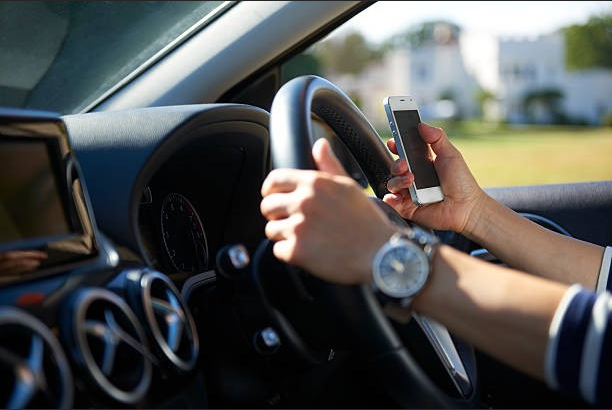
Holiday travel does not create the same driving conditions as an ordinary weekend.
More people are on the road, celebrations often involve alcohol, trips stretch later into the night, and drivers may be tired after long gatherings. Put those factors together, and certain holidays stand out as periods when impaired driving risk deserves extra attention.
Michigan crash data shows especially concerning patterns around late summer and the winter holidays. Thanksgiving, Independence Day, and Memorial Day also fall within historically dangerous travel periods. Understanding when the risk rises and what Michigan law actually prohibits gives drivers a clearer picture of what makes these holiday periods different.
Key Takeaways
-
Labor Day is one of Michigan's most significant periods for crashes involving impaired drivers.
-
Almost half of Michigan Christmas-period traffic deaths from 2020 through 2024 involved alcohol or drugs.
-
Thanksgiving, Independence Day, and Memorial Day are also historically dangerous travel periods.
-
Alcohol-related fatal crashes occur much more frequently at night than during daytime hours nationally.
-
Michigan's 0.08 BAC limit is not the only basis for an impaired-driving arrest.
When Impaired Driving Risk Peaks Across Michigan Holidays
Labor Day and Late Summer
Late summer deserves particular attention in Michigan. The Michigan State Police describes the Labor Day period as one of the deadliest times of the year for crashes and fatalities involving impaired drivers.
Across Labor Day weekends from 2021 through 2025, Michigan recorded 46 driver fatalities. Of those drivers, 39.1% were alcohol- and/or drug-impaired. The state responded in 2026 with an increased Drive Sober or Get Pulled Over enforcement campaign running from August 14 through September 7.
This makes Labor Day one of the clearest Michigan-specific examples of increased impaired driving risk around a major holiday. Longer trips, end-of-summer gatherings, and alcohol or drug use can overlap during the same weekend.
Christmas and New Year's
The winter holiday period creates another concentrated risk window.
Michigan State Police reported that 19 people were killed in Michigan traffic crashes during the Christmas holiday period from 2020 through 2024. Nine of those deaths, or 47.4%, occurred in crashes involving alcohol and/or drug impairment.
That pattern led Michigan law enforcement agencies to conduct another Drive Sober or Get Pulled Over campaign from December 12, 2025, through January 1, 2026.
Christmas parties, New Year's celebrations, late travel, and alcohol use can all overlap during a relatively short period. For drivers, the concern is not simply the holiday itself. Impaired driving risk often develops in the hours after gatherings end and people begin traveling home.
Michigan winter holiday enforcement information
Thanksgiving Travel Period
Thanksgiving is also consistently associated with heavy holiday traffic.
Michigan Farm Bureau, citing national Department of Transportation data, lists Thanksgiving as the holiday with the highest long-term average number of traffic fatalities among the major holidays it compared. That statistic is national rather than Michigan-specific, so it should not be interpreted as proof that Thanksgiving produces the most impaired crashes in Michigan.
Still, Michigan's own holiday fatality records track Thanksgiving alongside Labor Day, Independence Day, Memorial Day, Christmas, and New Year's because each represents an important high-volume travel period.
The combination of long-distance travel, family gatherings, alcohol consumption, and nighttime driving makes Thanksgiving another period when drivers should pay closer attention to impairment.
Memorial Day and July Fourth
Memorial Day and Independence Day bring many of the same conditions as Labor Day: increased road travel, outdoor celebrations, alcohol use, and late-night driving.
Historical holiday fatality data maintained by Michigan State Police shows that both holidays have repeatedly produced fatal crashes across the state.
These figures include all traffic deaths, not only alcohol- or drug-involved crashes. That distinction matters. Still, the holidays belong in the broader discussion because increased traffic exposure and celebrations can place more impaired drivers on the road at the same time.
Key Risk Factors and Michigan Laws
Night Driving Raises Risk
Time of day matters. National Highway Traffic Safety Administration data for 2024 found that fatal crashes involving an alcohol-impaired driver occurred at three times the rate at night compared with daytime.
That becomes particularly relevant during holidays because dinners, parties, sporting events, and celebrations often end after dark.
For a DUI defense attorney, the timing of a stop may also become relevant when reviewing why police initiated the stop, what driving behavior officers observed, and what evidence followed.
Michigan's BAC Rules
Michigan generally makes it illegal for a driver age 21 or older to operate with a BAC of 0.08 or greater. Drivers under 21 are subject to a 0.02 threshold, and Michigan's high-BAC law applies enhanced consequences at 0.17 or higher.
However, being below 0.08 does not automatically prevent an arrest. Michigan State Police states that a driver can still be arrested at a lower BAC when officers believe the person's ability to drive is impaired.
A defense attorney in Clinton reviewing such a case would therefore need to consider more than the numerical breath or blood result.
Drug-Impaired Driving Risk Is Different
Alcohol is not the only issue during holiday enforcement.
Michigan law also addresses driving under the influence of controlled substances. State guidance says drivers with certain Schedule 1 controlled substances or cocaine in their system can face impaired-driving consequences even without traditional signs of alcohol impairment, subject to specific legal exceptions, including rules involving medical marijuana.
If drugs are also discovered during the stop, a drug possession lawyer may need to examine possession separately from the driving allegation. Similarly, an Eaton CSC lawyer handling an unrelated criminal matter would address an entirely different set of legal elements rather than treating one allegation as proof of another.
Conclusion
Michigan's holiday crash data shows why certain travel periods receive increased enforcement attention. Labor Day has a particularly clear connection to alcohol- and drug-involved driver fatalities, while Christmas and New Year's bring another concentrated period of impaired driving risk. Thanksgiving, Memorial Day, and Independence Day also remain important because of increased travel and historically high fatality levels.
The key point is that holiday timing alone does not prove impairment. Police still need evidence that satisfies Michigan law, whether that involves BAC results, observed driving behavior, field sobriety testing, drug evidence, or other facts.
If a holiday traffic stop leads to an impaired-driving charge, a DUI defense attorney can review the stop, testing procedures, and evidence before determining how Michigan law applies to the specific case.
FAQs
Are Michigan holiday crash figures the same as OWI arrest totals?
No. Crash statistics measure reported crashes and involvement factors, while arrest totals measure enforcement actions against individual drivers.
Can fatigue alone lead to an OWI charge?
Fatigue can affect driving, but OWI charges require evidence of alcohol, drugs, or another intoxicating substance as defined by Michigan law.
Why do alcohol-involved and drug-involved percentages overlap?
A single crash can involve both alcohol and drugs, so the two categories are not always mutually exclusive.
Where can Michigan drivers check current crash statistics?
The Michigan State Police Traffic Crash Statistics page provides statewide dashboards, comparison reports, holiday summaries, and annual drunk-driving audit materials.
Legal information note: This article provides general information about Michigan law and is not legal advice for any specific case.









Comments (0)