

How to Prepare for Your First Fishing Tournament with a Club
Prepare for your first club fishing tournament with practical tips on rules, practice, tackle, fish care, timing, safety, and tournament-day routines.

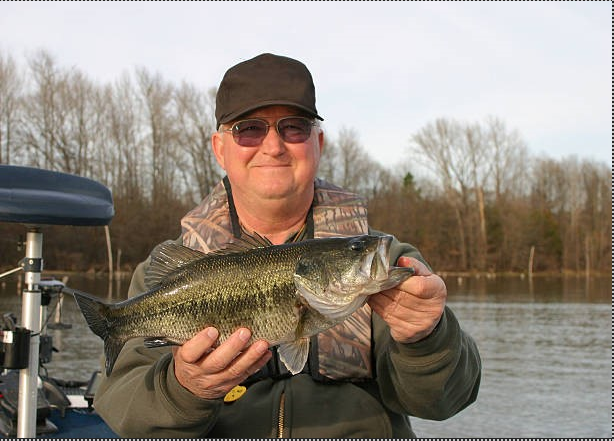
Your first club tournament can feel very different from a relaxed Saturday on the water. You are still fishing, but now there is a start time, a check-in time, a set of rules, other anglers making decisions around you, and a clock quietly shaping every move. The good news is that the first fishing tournament does not require pro-level skill. It requires preparation.
Most beginners worry about lure choice or whether they will catch enough fish. Those things matter, but they are only part of the day. A smooth first event usually comes down to knowing the rules, practicing the type of fishing you will actually do, carrying a focused tackle selection, protecting the fish, and leaving enough time to get back without rushing.
Key Takeaways
- Read the full event rules before practice day because legal fish, tackle, check-in, scoring, and fish-care requirements can vary between fishing tournaments.
- Practice the exact style of fishing you expect to use instead of treating practice like another casual trip.
- Pack a smaller, organized tackle plan so you can change quickly without wasting tournament time.
- Build extra time into launch, run, weigh-in, and return plans because being late can erase a good day.
- Ask experienced club members questions. Good member resource access can shorten the learning curve quickly.
Fishing Tournament Preparation for Your First Club Event
Read the Rules Before You Plan Anything Else
The rule sheet should shape your preparation, not sit unread in a bag until the night before. Start by confirming the species, minimum length, daily limit, allowed tackle, use of live bait, boundaries, off-limits areas, start time, check-in time, weigh-in process, and any special fish-care rules. It is also recommended to learn the event rules and check the tournament schedule before the day begins.
If anything is unclear, ask before practice day. It is much easier to understand a rule in a calm conversation than while boats are lining up at sunrise.
Practice Tournament Fishing, Not Just Fishing
Practice should answer questions. Where can you get bites quickly? Which areas hold fish at the time of day the event will be running? What lure can you fish cleanly around the available cover? How long does it take to move between areas? A productive practice session is not about catching every fish you can. It is about building a simple starting plan and one or two backup plans.
Try fishing under a clock for part of the practice day. Give yourself 30 or 45 minutes in an area, then move. That teaches you what wasted time feels like and makes it easier to recognize when you are staying too long on unproductive water.
Also, practice the type of conditions you are likely to face. A club that mixes freshwater events with Tampa fishing trips may expose members to very different wind, current, species, and tackle demands. Prepare for the actual event, water instead of relying only on techniques that work at your usual spot.
Build a Small Tackle Plan You Can Reach Fast
A first tournament is not the best day to carry every lure you own. Too many choices can slow decisions and turn every missed bite into a complete tackle change. Start with a compact selection that covers the water column and the cover you expect to fish.
- Keep your confidence bait rigged and ready.
- Carry one backup for each main presentation rather than five versions of the same idea.
- Pre-tie leaders and check knots before launch.
- Organize terminal tackle so hooks, weights, swivels, and clips are easy to reach.
- Bring a spare line or a second setup for the technique you expect to use most.
Prepare the Boat, Fish Care, and Safety Gear
If you are fishing from a boat, check batteries, fuel, electronics, navigation lights, livewell function, pumps, trailer tires, and required safety equipment before tournament morning. A problem that takes five minutes to fix in the driveway can take an hour at the ramp. Ensuring safety gear is used is essential for a successful competitive day. Moreover, thorough preparation should be prioritized alongside performance.
For live-weigh events, fish care deserves the same attention as tackle. Know how your livewell works before you have fish in it. Monitor water temperature and circulation, avoid overcrowding when possible, and handle fish with wet hands. The organizer may have specific rules for culling, dead-fish penalties, or early weigh-in, so follow the event rules rather than a routine borrowed from another circuit.
Dress for the full day, not just the first hour. A fishing tee can work as a base layer in warm weather, but bring sun protection, rain gear, and an extra layer if conditions can change.
Plan the Clock Before the Clock Starts
Fishing tournament time disappears faster than casual fishing time. Work backward from check-in. If the weigh-in closes at 3:00 p.m. and the run back takes 25 minutes in good conditions, do not plan to make your final cast at 2:35. Add time for wind, boat traffic, no-wake zones, ramp congestion, and simple mistakes.
Decide before launch when you will leave your farthest area. Set an alarm if needed. Also know the meeting point, boat number, or flight, emergency contact, and what the club expects if weather or mechanical trouble changes your plan.
Use the Club as Part of Your Preparation
One of the biggest advantages of fishing through a club is access to people who know the event format. Ask what first-timers usually forget, how early members arrive, whether parking fills quickly, what the weigh-in flow looks like, and what gear is actually worth bringing.
If the club offers member resource access, read the event posts, trip notes, maps, meeting details, or past reports before asking broad questions. Then use experienced members for the details that are hard to learn from a page, such as ramp flow, common etiquette, and how the group handles unexpected changes.
Treat the First Event as a Learning Day
A first fishing tournament is successful if you finish with a better understanding of how tournament fishing works. Maybe you learn that you carry too much tackle, leave productive water too soon, arrive at the ramp too late, or need to practice landing fish under pressure. Those lessons have value even if your name is nowhere near the top of the results.
Conclusion
Your first club event will probably include a few nerves, a few surprises, and at least one decision you would make differently next time. That is part of learning tournament fishing. Prepare the controllable details before sunrise, keep your setup simple, respect the rules and the fish, and give yourself room to enjoy the competition. The more organized the day feels, the easier it is to focus on why you entered in the first place: fishing with purpose and learning from other anglers.
Want more ways to learn, fish with others, and stay connected to the angling community? Explore Smokin Anglers for club information, trips, resources, and gear for your next day on the water.
FAQs
Do I need a boat to enter a club fishing tournament?
Not always. Some clubs run team formats, co-angler divisions, shore events, or events where boaters and non-boaters are paired. Ask the organizer how entries work before assuming you need your own boat.
How early should I arrive for my first fishing tournament?
Follow the club instructions, then give yourself extra time for parking, launching, registration, and gear setup. First-time anglers benefit from arriving earlier than the minimum because the ramp routine is still new.
What is good fishing tournament etiquette around other anglers?
Give other competitors reasonable space, avoid cutting off someone who is already working a bank or spot, follow no-wake rules, and communicate calmly at ramps and weigh-in areas. Club-specific etiquette can vary, so ask members what is expected.









Comments (0)