

Are Aluminum Boat Docks Really Worth It for Your Lake?
Learn what to consider when buying aluminum boat docks, from durability and cost to water depth and seasonal changes, to choose the right dock for your lake.

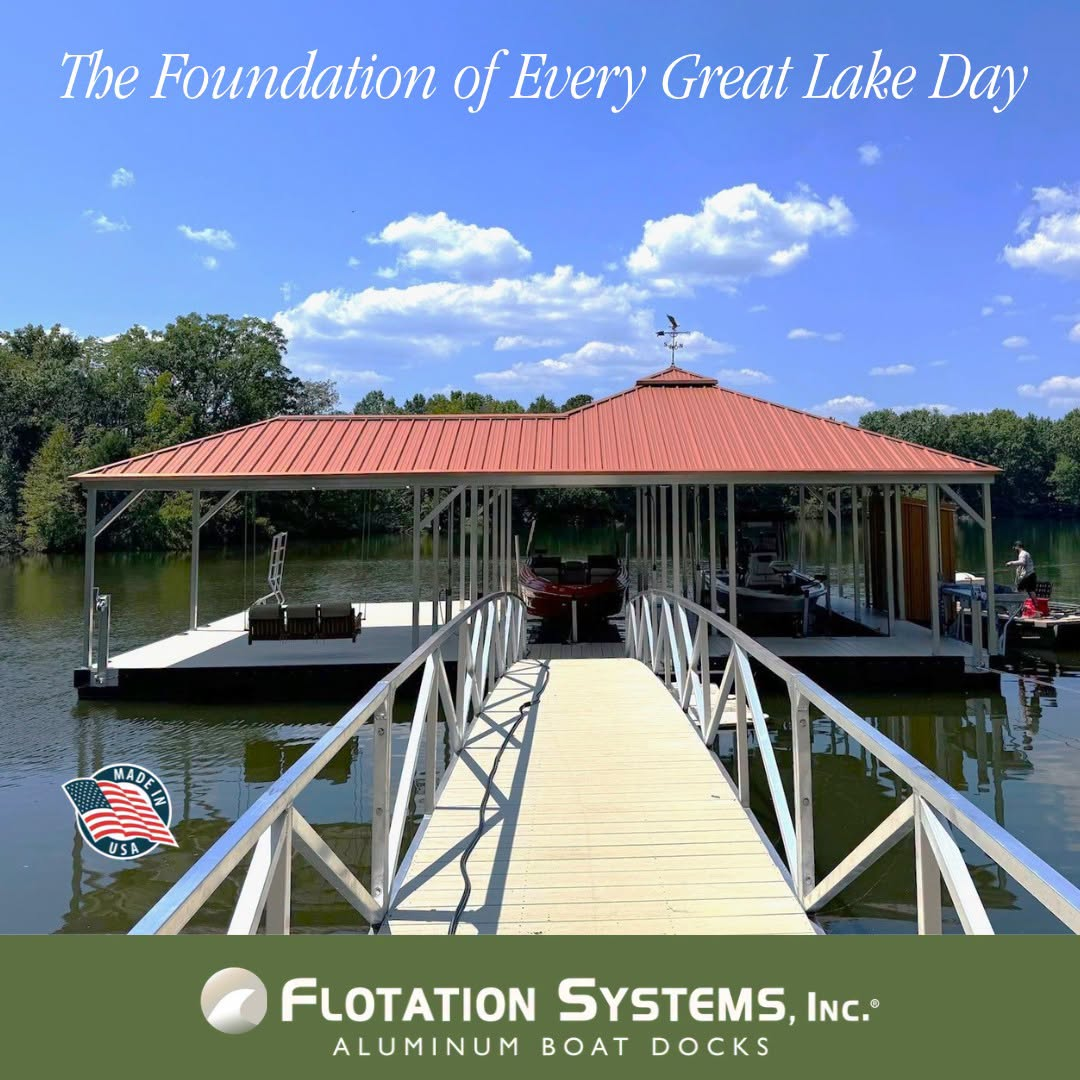
If you're shopping for a dock right now, you've probably noticed that aluminum boat docks show up in every search, every forum thread, every "what did you buy" conversation. There's a reason, and it's not hype. The metal is light. It doesn't rot, doesn't splinter, doesn't need staining every other spring. You can move sections by hand, which sounds minor until you've tried to drag a soaked wooden frame up a bank. Marine grade alloy handles constant water better than most people expect, and it holds up in sun and cold both. Now, it isn't perfect. Nothing is. It dents, it can get warm, and cheap versions exist that you should stay away from. But for the average lake or river owner who wants more time on the water and less time fixing things, aluminum is where the conversation usually ends up. I'll go through the details, including the annoying ones.

What Fixed Boat Docks Actually Mean
The terms get thrown around loosely, so let's sort it out. Fixed boat docks sit on legs, and those legs go into the bottom of the lake or rest on pads, and the whole structure stays where it is no matter what the water does. No bobbing. No wobble when somebody walks out with a heavy cooler. That steadiness is why folks with kids or bad knees tend to like them. They work best where water stays fairly consistent, say within a foot or so across the season. If your lake drops three feet by September, your boat could end up sitting on mud, looking sorry for itself. Plenty of leg systems are adjustable, which helps. But honestly, walk your shoreline before anything else. Rock, sand, soft muck, they all change how legs get set, and nobody online can see your lake bottom for you.
How Long Do They Last, Really
Longer than you'd guess. Twenty years is pretty normal for a decent aluminum setup, and I've heard of thirty-year-old frames still sitting straight. Wood usually wants real work by year ten, sooner when ice grinds on it all winter. Aluminum doesn't rust the way steel does. It forms a thin oxide layer that protects the metal underneath, so after some seasons you may see a dull, chalky look. That's mostly cosmetic. Don't freak out over it. The parts that fail first are the small ones. Cheap bolts, rough welds, brackets that never got tightened right. So ask what the hardware is made of. Ask who did the welding and how. A good builder answers without making a face. If they get vague, well, that's your answer. The frame is rarely the issue, it's the little pieces nobody checks until something lets go on a hot Saturday with guests standing around.
Aluminum Versus Wood Versus Steel
Everybody wants a one word answer here and I don't have one. Wood looks great and costs less up front, I'll give it that. Then it eats your weekends, every year, forever. Steel is strong but rust gets it, and galvanizing only buys time, not a free pass. Aluminum sits in the middle on price and wins on upkeep. It weighs roughly a third of steel, which you feel in April when you're hauling sections out of the garage. One catch, though. It dents. Swing a heavy pontoon into it in rough chop and you'll leave a mark, likely a permanent one. Tough, not bulletproof. Most owners never run into trouble, but I've watched a guy tap his own dock three times in one afternoon, so it happens. Choose based on how you really use your spot, not on what looks nice in a brochure or a catalog photo.
What You'll Actually Spend
Money talks, because everybody's thinking about it. Small, basic aluminum boat docks can start around a couple thousand dollars, and it climbs fast once you add things. A lift, a covered section, nicer decking, and you're in five figures without really trying. Don't just stare at the sticker price, though. A wood dock quietly costs you stain, replacement boards and a pile of your own hours across fifteen years, and hours count even if we pretend they don't. Shipping is the sneaky part. Long sections are expensive to move and some sellers bury that number until checkout. Decking changes things too, aluminum planks, composite, or wood laid over a metal frame all land at different prices. Get three quotes. Ask exactly what's included, since hardware, anchoring and floats sometimes get left off the first number. Put the quotes side by side on the kitchen table. Boring, yes. Also saves real money.
Fixed Or Floating, Your Water Decides
Your lake makes this call, honestly, not you. Fixed boat docks make sense when water stays steady and the bottom is firm enough to hold legs. They feel solid, they don't shift much in wind, and for shorter lengths they're often cheaper. Floating setups win when levels swing a lot, because they rise and fall on their own and you never touch a thing. Roll-in styles are popular in colder areas since you can pull them out for winter in about an hour, which beats fighting frozen bolts in November. Think about ice as well. Heavy ice can push hard on legs, so some people pull sections every fall no matter what. And pay attention to what a seller asks you. Depth, bottom type, how far the water moves through the year. If they skip all of it and jump straight to a quote, find somebody else. I mean that.
Installing It And Keeping It Decent
Most modular aluminum systems are friendly enough for DIY. Two people, basic tools, one solid weekend for a smaller layout. Bigger jobs, hire a crew, don't try being a hero in waist-deep water. Upkeep is light. Rinse with fresh water now and then, check bolts every spring, look for cracked floats or loose brackets if you've got them. That's basically the routine. What nobody warns you about is birds, which are a daily thing, and zebra mussels in some lakes that cling to everything below the waterline. Also, check local rules before you build. Some towns want permits, some lakes have setback limits, and a few HOAs care about color, believe it or not. A neighbor of mine skipped the permit step and had to slide his whole pier six feet over. Still sore about it. One phone call would've fixed that, maybe ten minutes.
Add-Ons Worth Buying, And Some You'll Regret
Once the structure is in, the fun stuff starts. Ladders, benches, storage boxes, solar lights, swim platforms, lifts. A few are great. A few get used twice then collect spiders. A solid ladder is a must in my book, since nobody wants to claw their way back onto a dock after a swim, it's just undignified. Accessories made for your exact frame usually fit cleaner than random add-ons, so check compatibility before you order. Bumpers are underrated. A couple cheap rubber guards will protect your hull and your dock from a lot of scrapes over the years. But start simple. Live with the setup a season, watch how you actually use the space, then add things slowly. I bought a fancy cup holder rail once and never used it. Learn from that.
Conclusion
So, are aluminum boat docks worth it? For most lake and river owners, yeah, they are. They last, they're light, and they won't steal your weekends the way wood does. Fixed boat docks are great on steady water, floating ones suit lakes that swing around. Check the hardware, get real quotes, and call the town about permits before you start. Do all that and the dock will probably outlast your boat. Maybe the next one too.

















Comments (0)