

Footwear POS Software: Keep the Right Sizes Ready for Every Sale
Footwear POS software helps retailers organise sales and inventory around these product variations.
A customer finds a pair of shoes they love, asks for their size, and waits while an employee searches the stockroom. Several minutes later, the answer comes back: the store has the same design, but only in other sizes.
For a footwear retailer, having stock does not always mean having something the customer can buy. The right style, colour, and size must be available together. Managing those details becomes harder as new collections arrive and the business adds more locations.
Footwear POS software helps retailers organise sales and inventory around these product variations. When configured properly, it gives employees clearer information at the counter and helps owners make more informed purchasing decisions.
Why Shoe Stores Need More Than Basic Billing
A basic billing system can record that a pair of trainers was sold. A footwear retailer needs to know exactly which pair left the store.
Was it the black trainer in size 42 or the white version in size 43? Was it sold at full price? Did the customer later exchange it? Which location supplied the replacement?
Without that detail, a stock report may show that a design is available even when the sizes customers request are missing.
Footwear POS software should connect each sale to a specific product variation. This gives the business a more useful picture of what remains available and what needs attention.
Build a Catalogue That Reflects Your Products
Good inventory management starts with a clear product catalogue.
Each shoe style should have organised records for its available sizes and colours. Where relevant, the catalogue should also distinguish widths, materials, and other variations that affect what customers receive.
Sizing systems need particular care. A number entered without context can be confusing when a store carries products labelled in UK, US, and EU sizes. Keep the manufacturer’s sizing information clear rather than assuming a single conversion works across every brand.
A useful product record might include:
-
Brand and style reference.
-
Colour and size.
-
Applicable sizing system.
-
Unique product code or barcode.
-
Selling price and purchase cost.
-
Stock quantity by location.
Consistent records make searching, receiving deliveries, and counting stock easier for everyone.
Make Stock Checks Part of Customer Service
When someone asks for another size, employees should be able to check availability quickly.
Look for a system that distinguishes stock physically present from stock already reserved for another customer or order. A pair on a shelf may not be available to sell if someone has paid for it and is waiting to collect it.
For businesses with several branches, location-level visibility can give staff more options. They may be able to arrange collection elsewhere or request a transfer, depending on the shop’s procedures.
Before promising a customer a pair, employees should understand how recently the stock information was updated and whether a reservation has been confirmed.
Handle Exchanges Without Confusing Inventory
Fit is personal, and customers sometimes need a different size after purchase. The exchange process should be clear for both the customer and the cashier.
Consider a hypothetical example: a customer returns a size 40 sandal and takes size 41 in the same style. The system needs to record the returned variant and deduct the replacement. If the replacement has a different price, it should also record the amount collected or refunded.
The condition of the returned pair matters. A saleable return can become available again, while a damaged item should be kept out of available inventory pending review.
Ask the software provider to demonstrate exchanges involving discounted products, different prices, and purchases from another branch. These examples reveal more than a standard checkout demonstration.
Buy Sizes Based on Demand
A popular design can still leave a store with unsold stock if the size mix is wrong.
Instead of reviewing only total sales by style, examine which sizes and colours customers actually purchase. This can help you adjust future orders and identify products that need redistribution between locations.
However, sales history has a limitation: it cannot fully reveal demand for items that were unavailable. A size may show low sales because it was out of stock for much of the month.
Review sales alongside availability and, where practical, record requests for missing sizes. Together, these records provide a stronger basis for purchasing than sales totals alone.
Plan Promotions Around the Remaining Stock
Discounts should have a clear purpose. A promotion might help clear an older collection, move selected colours, or sell the remaining sizes of a discontinued style.
Before launching an offer, confirm that the POS can apply it to the intended products without accidentally discounting an entire range.
Also check what happens when offers overlap. A customer loyalty discount, a promotional price, and a manual cashier adjustment should follow rules the business has deliberately set.
After the promotion, review the quantity sold, remaining stock, and margin where reliable cost data is available. Higher sales revenue alone does not show whether the discount achieved its purpose.
Consider BizModo for Footwear Retail
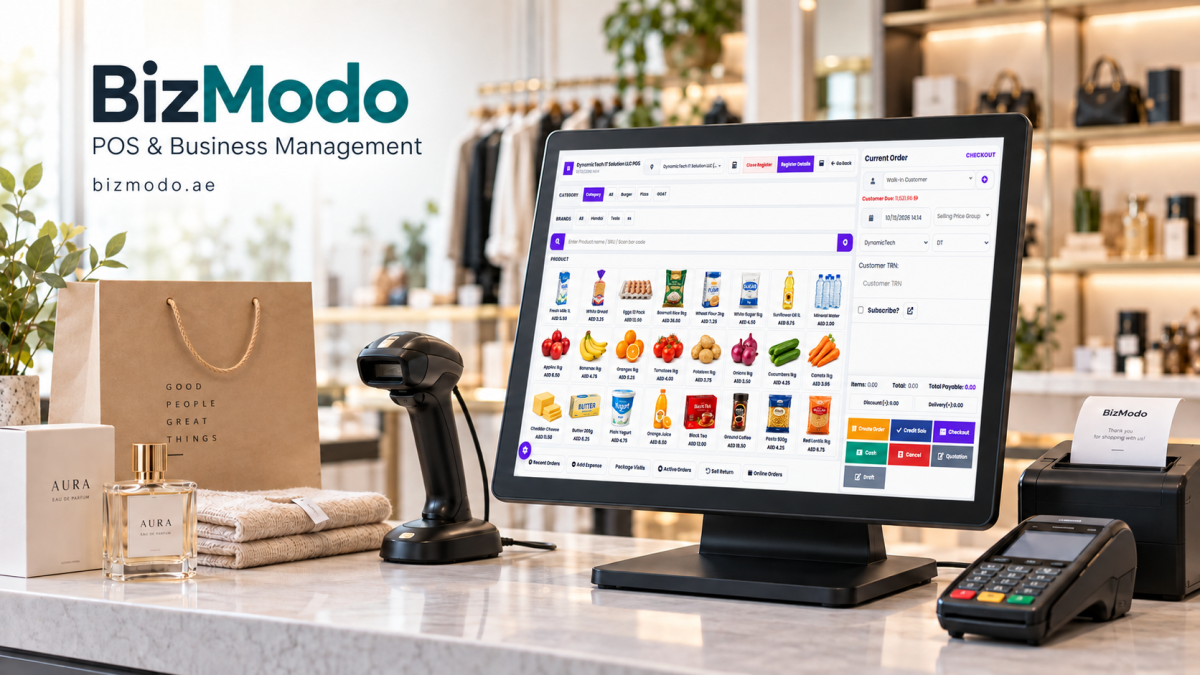
Retailers exploring Footwear POS Software can review BizModo’s offering for UAE shoe stores. Its product page describes size and colour variants, barcode capabilities, inventory management, purchase orders, customer purchase histories, reporting, and central management of multiple stores.
Use a demonstration to explore how those capabilities work with your own catalogue

Hi, I’m Freya Parker, an automotive expert focused on helping car owners make smarter decisions when selling their vehicles. I specialise in breaking down the car-selling process in a simple, practical way from understanding your car’s real value to reading market trends and spotting the right time to sell. My goal is to give you clear, honest guidance so you can confidently get the best possible price for your car without confusion or stress. Whether you’re selling for the first time or just want a better deal, I’m here to make the process straightforward, transparent, and rewarding.
















Comments (0)