

How to Order Samples from Rug Manufacturers India Before Bulk Production

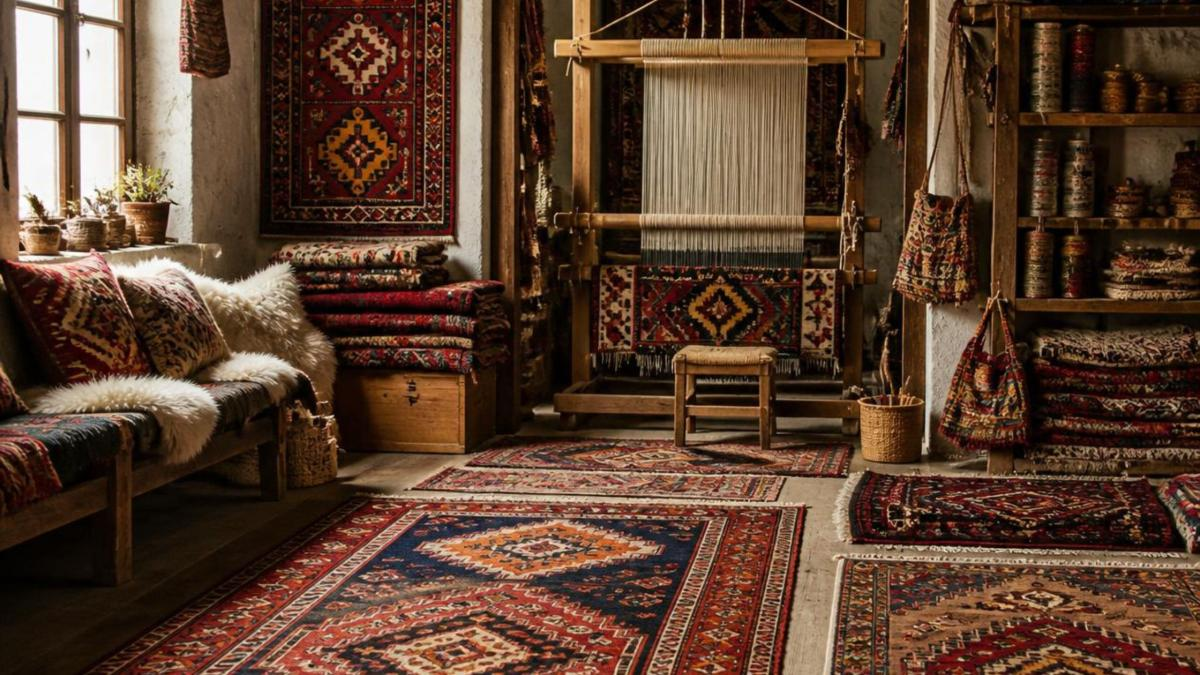
Buying rugs in bulk is a big decision for any importer or retailer. A single wrong shade or a thin pile can affect hundreds of pieces and damage your reputation. This is why smart buyers always start with a sample. If you plan to work with rug manufacturers India the sampling stage is the safest way to test quality before you commit your budget. This guide explains how to request samples and what to check and how to move from a small trial to a confident bulk order.
Why Samples Matter Before Bulk Production
Photos and catalogues never tell the full story. Screens change colours and close up shots hide flaws. A physical sample lets you feel the wool and test the weave and see the true shade in daylight. It also shows how the manufacturer handles details like edges and backing. Many importers who skip this step end up with returns and unhappy customers. A sample costs little when compared with the loss from a bad shipment. It also builds a working relationship because both sides learn how the other communicates.
Prepare Your Requirements Before You Reach Out
Before you contact any supplier, write down what you need. Clear details help the factory prepare an accurate sample and save time for both sides.
-
Rug type such as hand-knotted or hand-tufted or flatweave
-
Size and shape and pile height
-
Material choice such as wool or cotton or jute or viscose
-
Colour palette with reference codes or physical swatches
-
Design reference or sketch
-
Target quantity and delivery location
-
Budget range per piece
Share this information in one clear brief. A detailed brief reduces back and forth and avoids confusion about expectations.
How to Request Samples from Manufacturers
Shortlist a few suppliers before you ask for samples. Look at their product range and export experience and customer reviews. Ask if they offer ready samples from stock or if they weave new samples to your design. Stock samples arrive faster while custom samples show real capability. When comparing rug manufacturers India check how quickly each team replies and how clearly it answers technical questions. Ask about sample size too. Many factories send a small cut piece for texture and colour and a full size piece for final approval. Confirm the courier method and tracking details before dispatch.
What to Check in a Rug Sample
Once the sample arrives, inspect it carefully in natural light. Use this checklist.
-
Knot density and weave tightness
-
Pile height and evenness across the surface
-
Wool quality and softness
-
Colour accuracy against your reference
-
Colour fastness by rubbing a damp white cloth on the surface
-
Edge finishing and fringe strength
-
Backing quality and overall weight
-
Size accuracy and how flat the rug lies
Walk on the rug and fold a corner and check for shedding. Take clear photos and notes for later comparison. Keep the approved piece safe because it becomes your quality benchmark for the entire order.
Sample Cost and Lead Time
Sampling is rarely free for custom work. Most factories charge a fee that covers material and labour and courier. Some adjust this fee against your first bulk order. Ask about this early so there are no surprises. Lead time depends on the rug type. Hand-tufted samples can take a couple of weeks while hand-knotted pieces may need much longer because of the slow weaving process. Plan your timeline with this in mind and place your sample request well before your season begins. There are buyers who lose a full season by starting too late.
Feedback and Approval Rounds
Few samples are perfect on the first try. Share feedback in a clear and polite way with photos and exact points. Say which colour needs to be lighter or which edge needs to be firmer. Good manufacturers welcome feedback and send a revised piece quickly. Ask how many revision rounds are included in the price. Once you approve a sample, get the approval in writing so both sides work from the same reference.
Documentation and Communication
Documentation protects you. Ask for a written quotation that lists price per piece and material and size and packing method. Request details on payment terms and minimum order quantity. Also ask about export paperwork and certificates where needed. Companies such as KS Udayog share product details and order information openly with buyers and this kind of clarity makes comparison easier. Transparent teams also tell you early if a design is hard to weave and suggest practical changes.
Moving from Sample to Bulk Order
After approval, move step by step. Start with a pilot order if the budget allows. This small batch tests the factory on timing and consistency. Compare the pilot pieces with the approved sample and check for any gap. Confirm production schedule and packing and shipping dates in writing. Ask for photos during weaving and before packing. Many buyers also arrange a third party inspection before shipment for extra safety. When the pilot meets your standard scale up gradually. Reliable rug manufacturers India will support this process with patience and regular updates because they want long term clients.
Conclusion
Ordering samples is the simplest way to reduce risk in rug sourcing. It lets you test quality and communication and timelines before spending big. Prepare a clear brief and inspect each piece with care and keep written approvals. Don't rush the process because a few extra weeks at the start can save months of trouble later. Whether you pick established or new rug manufacturers in India, the sample stage gives you real proof instead of promises. Buyers who follow this path build stronger and more profitable partnerships over time.















Comments (0)