

Mining Tank Monitoring Supporting Efficient Resource and Fuel Management
Looking for the best Mining Tank Monitoring Solutions? Monitor fuel and lubricant levels remotely, reduce manual checks and manage site supplies with GAT.

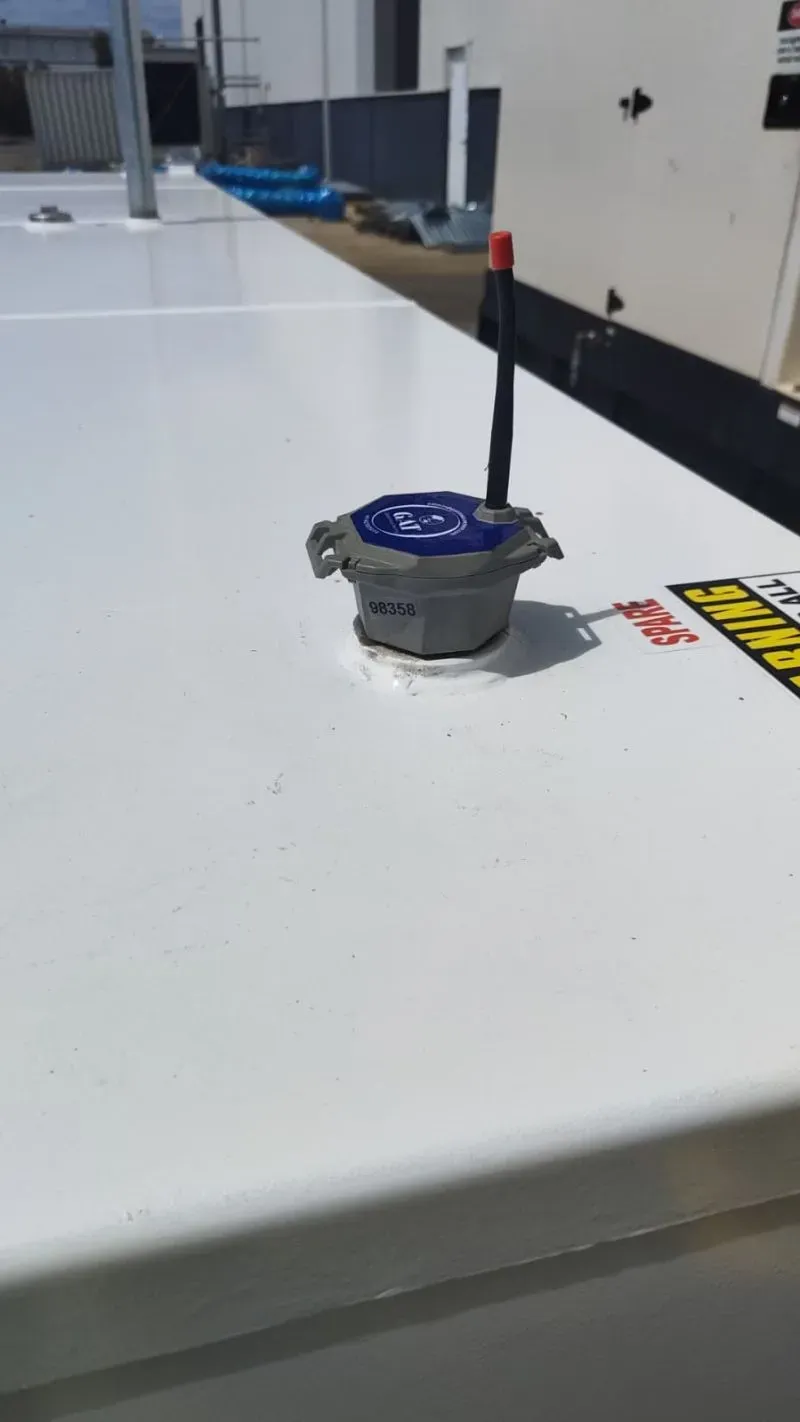
Mining operations depend on a reliable supply of fuel, lubricants and other essential liquids to keep machinery, vehicles and equipment running. Managing these resources across large and often remote sites can be challenging without accurate inventory information. Mining tank monitoring helps businesses track stored liquid levels remotely, improve stock visibility and organise replenishment more effectively. With suitable monitoring technology from GAT, mining operators can access tank information, reduce routine manual checks and make more informed decisions about site supplies.
Why Tank Monitoring Is Important in Mining Operations
Mining sites often cover extensive areas and operate with heavy equipment, generators, service vehicles and processing machinery. These operations require consistent access to diesel, lubricants, oils and other liquids.
When storage tanks are positioned across different areas, checking every tank manually can take considerable time. Staff may need to travel long distances to inspect levels and record readings. This can make inventory management more complicated, especially when several tanks need attention at once.
Remote tank monitoring provides an alternative way to access liquid-level information. Sensors collect readings and transmit them to a monitoring platform, allowing authorised personnel to review available stock without visiting each tank solely for a level check.
How Mining Tank Monitoring Works
A mining tank monitoring solution generally uses sensors to measure the quantity of liquid stored inside a tank. A connected monitoring unit sends the collected information to a central platform through an available communication network.
Depending on the selected equipment and configuration, the system may provide:
-
Remaining fuel or lubricant volume
-
Percentage of tank capacity in use
-
Safe fill-level information
-
Latest reading and update time
-
Historical tank-level records
-
Alerts when selected level thresholds are reached, where supported
These details can help site managers understand inventory levels across different storage locations and identify tanks that may require replenishment.
Key Benefits of Remote Tank Monitoring for Mining Sites
1. Better Fuel Inventory Visibility
Diesel is essential for operating mining vehicles, generators and heavy machinery. Unexpected shortages can interrupt planned activities and create additional logistical challenges.
Remote monitoring provides access to tank-level information, helping managers understand how much fuel is available at different locations. This supports more organised inventory management and helps teams identify potential supply requirements.
2. Improved Lubricant Management
Mining equipment requires appropriate lubricants for maintenance and operation. Keeping sufficient supplies available is important for supporting maintenance schedules and avoiding unnecessary delays.
Monitoring lubricant tanks remotely can help maintenance teams review available stock and plan replenishment based on recorded levels.
3. Fewer Routine Manual Checks
Mining sites can involve difficult terrain, large distances and restricted-access areas. Visiting every tank simply to check its contents can require significant time and resources.
Remote monitoring can reduce some routine inspection trips by making tank readings accessible through a digital platform. Physical inspections are still important for safety, maintenance and equipment condition, but remote information can make daily stock oversight more convenient.
4. More Efficient Replenishment Planning
Fuel and lubricant deliveries need to be coordinated around operational demand, storage capacity and site access.
Regular tank-level information can help purchasing and logistics teams prioritise deliveries. Instead of relying only on fixed schedules or manual estimates, managers can use available readings to make better-informed replenishment decisions.
5. Centralised Monitoring Across Multiple Locations
Large mining operations may have several tanks distributed across workshops, equipment areas, fuel depots and remote work zones.
A central monitoring platform can bring information from compatible tanks together. This makes it easier for authorised users to review stock levels and identify locations that may need attention.
The Importance of 4G and Satellite Connectivity
Mining operations frequently take place in areas where communication infrastructure may be limited. Connectivity should therefore be considered carefully when selecting monitoring equipment.
4G connectivity can be suitable for mining locations with reliable mobile network coverage. It allows monitoring units to transmit tank readings to a remote platform without requiring traditional wired communication.
Satellite connectivity may be useful for isolated sites where mobile coverage is unavailable or unreliable. It can help businesses maintain access to monitoring information in locations beyond conventional network coverage.
The most appropriate option depends on site conditions, reporting requirements and the monitoring equipment selected. Businesses should assess communication coverage at each tank location before installation.
Choosing the Right Mining Tank Monitoring Solution
Every mining operation has different storage requirements. A suitable system should match the tanks, liquids and working conditions involved.
Consider the following factors when evaluating monitoring equipment:
-
Tank compatibility: Check whether sensors are suitable for the dimensions, construction and material of each tank.
-
Liquid type: Confirm that the monitoring method is appropriate for diesel, lubricants or other stored liquids.
-
Number of tanks: Establish how many tanks and locations need to be monitored.
-
Connectivity: Review whether 4G or satellite communication is appropriate for each site.
-
Reporting features: Understand which tank-level details, historical records and alerts are available.
-
Environmental conditions: Consider exposure to dust, vibration, temperature changes and weather.
-
Installation and maintenance: Review mounting, power, calibration and ongoing servicing requirements.
Discussing these requirements with a monitoring provider can help businesses identify a configuration that suits their site.
How GAT Supports Mining Tank Monitoring
GAT provides remote tank-level monitoring solutions designed for businesses managing fuel, lubricants and other liquid storage assets. Its technology can support fixed and mobile tanks, with monitoring and communication options suited to different operating environments.
For mining businesses, remote access to fuel and lubricant levels can help improve stock visibility and support more organised site supply management. GAT's monitoring options include 4G and satellite connectivity, depending on the selected configuration and network availability.
Businesses can explore GAT's solutions and case studies to understand how remote monitoring technology can be applied to practical asset and inventory management requirements.
Visit GAT's official website to learn more about its monitoring solutions and discuss tank specifications, site locations, liquid types and reporting needs.
Conclusion
Managing fuel and lubricant supplies across a mining site requires accurate information and effective coordination. Remote mining tank monitoring can help businesses improve inventory visibility, reduce routine manual level checks and plan replenishment more efficiently.
By considering tank compatibility, connectivity, reporting and site conditions, mining operators can select a monitoring solution that supports their operational requirements. GAT offers monitoring technology that businesses can explore when looking to improve oversight of their liquid storage assets.

















Comments (0)