

How Modern Workplace Solutions Help Businesses Adapt to Changing Work Demands
Learn how modern workplace solutions help businesses adapt to changing work demands through flexible workspaces, collaborative facilities, accessible locations, cost management, employee experience, and future business growth.
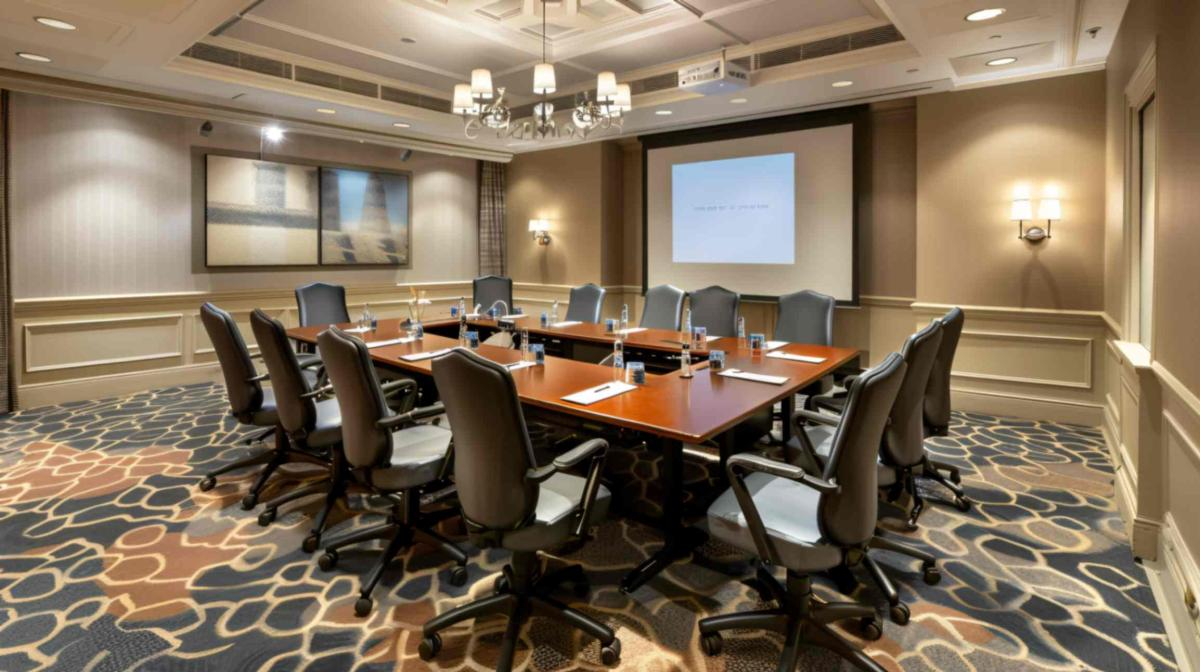
Business requirements are constantly evolving as organisations adopt new technologies, expand their services, and respond to changing customer expectations. A workplace that once suited a small team may become unsuitable when the company introduces new departments, hires additional employees, or begins working with international clients. Choosing serviced offices Abu Dhabi can help businesses access professional facilities while maintaining flexibility in how they organise their daily operations. The right workspace should support productivity, communication, and business continuity without creating unnecessary management responsibilities.
A modern office is more than a collection of desks and meeting rooms. It is an environment where employees collaborate, customers interact with the business, and important decisions are made. Organisations should therefore consider how their workspace supports their working methods rather than selecting an office based only on its size or appearance.
Understanding the Changing Needs of Modern Businesses
The way companies operate has changed significantly. Some employees work from the office every day, while others follow hybrid arrangements or regularly travel for client meetings. Businesses may also work with remote teams, international suppliers, and customers in different time zones.
These working patterns require offices to be more adaptable. A company may need individual workstations on certain days, meeting rooms for scheduled discussions, and quieter areas for tasks that require concentration. A traditional office layout may not always provide the flexibility required to manage these different activities.
Before selecting a workplace, management teams should examine how employees use the office throughout the week. They can consider the number of people attending regularly, the frequency of client visits, and the types of meetings conducted. This information helps identify which facilities are essential and which may create unnecessary expenses.
Creating a Workspace That Supports Different Activities
An effective workplace should provide suitable areas for different types of work. Employees who handle detailed tasks need quiet spaces, while teams involved in planning and brainstorming may benefit from collaborative areas.
Individual work and concentration
Focused work requires fewer interruptions. Comfortable seating, suitable lighting, organised desks, and reliable internet connectivity can help employees complete tasks more efficiently. Businesses should also consider whether employees have enough space to store documents and equipment securely.
Meetings and collaboration
Meeting rooms are important for internal discussions, client consultations, presentations, and project reviews. A suitable room should provide comfortable seating, appropriate lighting, and access to presentation equipment where required.
Businesses that regularly conduct online meetings should also check the availability of stable internet connectivity and suitable spaces for video calls. Background noise and interruptions can affect communication, particularly when employees are speaking with customers or external partners.
Shared facilities
Reception areas, printing facilities, common spaces, and refreshment areas can support everyday office activities. Access to these facilities may reduce the need for businesses to arrange and maintain every resource independently.
The Importance of Location and Accessibility
Office location can influence employee attendance, customer convenience, and the time required to manage business appointments. A workplace that is difficult to reach may create unnecessary challenges for employees and visitors.
When comparing locations, businesses should examine nearby transport options, parking availability, restaurants, banking facilities, and other essential services. They should also consider whether the surrounding commercial environment suits their industry and customer base.
Companies considering an ADGM office should assess how the location supports their business activities, client requirements, and any relevant operational or regulatory conditions. The office arrangement should be evaluated alongside the company's intended activities rather than selected solely because of the location's reputation.
Accessibility is also important for visitors. Clear directions, an organised reception process, and convenient meeting facilities can make appointments easier to manage. These practical details contribute to a more professional experience.
Managing Workplace Costs More Effectively
Office expenses can extend well beyond monthly rent. Businesses may need to account for utilities, internet services, furniture, cleaning, maintenance, reception arrangements, and office equipment. When these responsibilities are managed separately, they can consume time and resources.
A workplace package that includes selected services may simplify expense management. However, businesses should examine exactly what is included before making a commitment. Some facilities may have usage limits or additional charges, so the advertised price should not be treated as the complete cost.
Preparing a realistic office budget
Management teams can begin by identifying their essential requirements. These may include the number of workstations, meeting room access, internet connectivity, reception support, and storage facilities.
They should then compare the complete cost of available arrangements. Important details include deposits, contract duration, renewal conditions, additional service charges, and the terms for changing the office size.
A realistic budget should also account for future changes. A company that expects to recruit employees may need additional space, while an organisation adopting hybrid working may require fewer permanent desks.
Supporting Employee Experience and Retention
The workplace can influence how employees feel about their daily responsibilities. An uncomfortable or poorly organised office may contribute to frustration, while a suitable environment can make routine tasks easier.
Employee experience is influenced by several factors, including lighting, ventilation, seating, noise levels, cleanliness, and access to essential facilities. Businesses should also consider whether employees have areas where they can take breaks or discuss work without disturbing others.
A well-planned office can support communication between departments. When teams have suitable spaces for meetings and collaboration, they may find it easier to share information and coordinate projects.
Companies should collect feedback from employees when reviewing their workplace arrangements. Their experiences can reveal practical problems that may not be obvious during an initial office inspection.
Preparing for Future Changes
Business requirements rarely remain constant. Companies may introduce new services, increase their workforce, change management structures, or adjust their working arrangements. Their office should be capable of supporting these developments where possible.
Before signing an agreement, businesses should ask whether additional workstations are available, how meeting room access is managed, and whether the arrangement can be modified when requirements change.
They should also review the process for relocating, renewing, or ending the agreement. Understanding these conditions in advance can reduce disruption if the business needs to make changes later.
Final Thoughts
A modern workplace should support the way a business operates today while allowing room for future development. Location, facilities, accessibility, employee comfort, and cost management all influence whether an office arrangement is suitable.
By reviewing their actual working patterns and operational priorities, businesses can select a professional environment that supports communication and productivity. A carefully planned workspace can reduce routine management responsibilities and allow teams to concentrate on delivering better services to their customers.

I am a passionate content writer interested in digital marketing, business, technology, and SEO. I enjoy researching industry trends and creating informative, engaging, and reader-friendly articles that provide valuable insights to readers. My goal is to share useful knowledge, explore new ideas, and contribute meaningful content across various online platforms.
















Comments (0)