

Air Receiver Tanks Buyer’s Guide to Choosing the Right Size and Type
Learn how to choose the right Air Receiver Tanks for your plant. This guide covers sizing, tank types, installation cost factors, inspection requirements and supplier selection to improve compressor efficiency and keep your compressed air system safe.

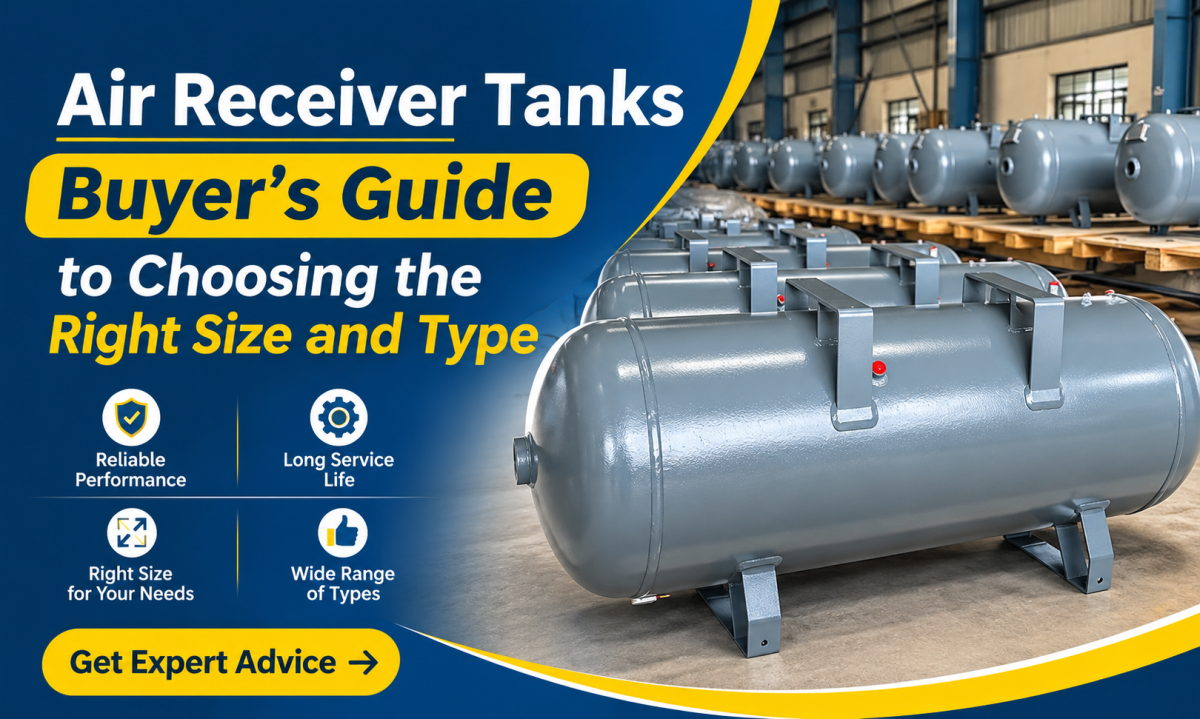
Choosing the right Air Receiver Tanks helps stabilize pressure, reduce compressor cycling and protect equipment from sudden demand spikes. This buyer's guide explains how to size, select and maintain a receiver tank with confidence, using practical plant experience and recognized standards such as ASME and PED.
Inside the article, you will learn how vertical and horizontal designs differ, when carbon steel or stainless steel makes sense, and how to size storage based on compressor capacity, demand peaks and pressure range. It also shows how to check the data plate, pressure rating and certification before you buy.
Comparing the best air receiver tank for an air compressor becomes easier with a clear checklist covering capacity, corrosion protection, drain type and safety valve. Procurement teams will also find tips for evaluating an industrial air receiver tank supplier, including test reports, lead times and after-sales support.
Budget and compliance are covered as well. The guide explains what influences air receiver tank installation cost, such as piping, foundation, relief valve and labor, and outlines common air receiver tank inspection requirements, while reminding readers to follow local regulations and qualified inspectors.
Frequently Asked Questions
1. What is an air receiver tank used for?
An air receiver tank stores compressed air, smooths pressure fluctuations and reduces how often the compressor starts and stops. It also supplies short bursts of high demand and lets moisture condense and drain, which protects downstream tools and piping.
2. How do I choose the best air receiver tank for an air compressor?
Match tank capacity to compressor output and demand peaks, then confirm the pressure rating exceeds your system pressure. Check certification, corrosion protection, drain type and safety valve. A common rule of thumb is 3 to 5 gallons per CFM, but verify with an engineer.
3. What affects air receiver tank installation cost?
Cost depends on tank size, material, piping, mounting or foundation, pressure relief valve, automatic drain, permits and labor. Prices vary by region and site conditions, so request itemized quotes from a supplier before setting your budget.
4. What are the air receiver tank inspection requirements?
Requirements vary by country and jurisdiction, but usually include regular external inspections, drain and safety valve checks, and periodic thickness or pressure testing by a qualified inspector. Confirm local regulations and keep inspection records on file.
5. How do I choose an industrial air receiver tank supplier?
Look for ASME or PED certification, material and test reports, clear data plates, reasonable lead times and responsive after-sales support. Ask for references from similar industrial applications before placing an order.

















Comments (0)